

Ever wondered why some appliances have stickers, labels, or a weird certification logo? Those markings are more than décor – they’re legal requirements that keep you safe and your bills low. In the UK, a set of rules governs everything from the wiring inside a washing machine to the energy label on a fridge. Knowing the basics helps you avoid fines, make smarter buying choices, and understand what a repair technician is actually fixing.
The cornerstone of appliance safety is the Electrical Equipment (Safety) Regulations 2016. Any device plugged into the mains must meet this rule, which ensures it won’t cause electric shocks or fires. That’s why you’ll see the UKCA (or older CE) mark on most new gadgets – it proves the product has passed the required tests.
If you’re dealing with gas‑powered appliances, the Gas Safety (Installation and Use) Regulations apply. Only a qualified Gas Safe engineer can install or service boilers, cookers, or water heaters. Trying a DIY fix on a gas boiler isn’t just risky; it’s illegal.
For built‑in kitchen units, the Building Regulations Part L sets performance standards. When you replace a cooker or oven, the new unit must meet the current energy efficiency class. Ignoring this can lead to costly re‑inspections and higher energy bills.
Energy‑saving labels aren’t just marketing fluff. The Energy Labelling Regulations require every fridge, freezer, dishwasher, and washing machine to display a rating from A+++ to G. Since 2021, the scale has been updated, so a “B” label today is more efficient than a “B” from a few years ago.
Couple that with the EcoDesign Regulations, which set minimum performance benchmarks for standby power use and water consumption. Manufacturers that don’t meet these standards can’t sell their products in the UK market.
Finally, the Waste Electrical and Electronic Equipment (WEEE) Regulations put the onus on you to recycle old appliances responsibly. When you drop off a broken fridge at a collection point, you’re helping keep hazardous materials out of landfill and complying with the law.
Understanding these rules has practical payoffs. If a repair technician says a component is “non‑compliant”, they’re not just being picky – the part may no longer meet safety or energy standards, meaning a replacement is the only legal option. Likewise, buying a second‑hand appliance without checking its certification can land you with a device that fails to meet current regulations, potentially voiding insurance coverage.
So before you shop, check the label for UKCA or CE, note the energy rating, and ask the seller if the model complies with the latest eco‑design rules. When a repair is needed, request proof that the replacement part meets the same standards. Doing a quick check now saves you headaches, extra costs, and possible legal trouble later.
Bottom line: appliance regulations protect your safety, your wallet, and the environment. Keeping an eye on the marks, labels, and certification dates turns a routine purchase or repair into a smart, compliant decision. Got a broken cooker or a noisy fridge? Talk to a qualified professional who knows the regs – they’ll fix it the right way, and you’ll stay on the right side of the law.

This article breaks down what an appliance standard really is and why it matters when you’re buying or servicing home appliances. You’ll learn about the rules that keep appliances safe and efficient, plus tips for spotting compliant models. It explains how standards affect your bills and the planet. Real-world examples make it clear and easy to understand. Use this guide to make smarter choices about your appliances.
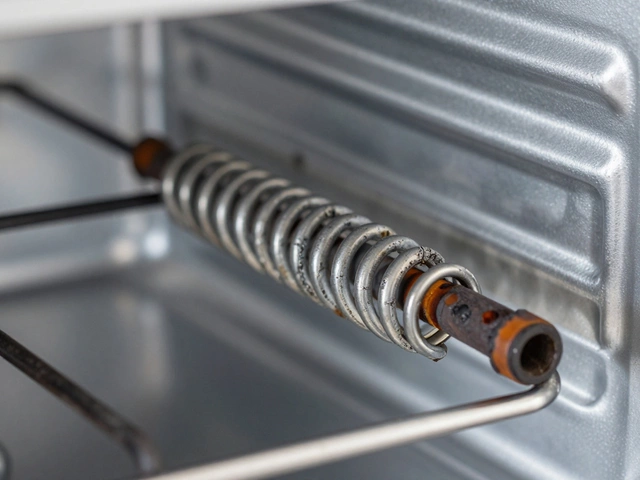
Find out exactly how much it costs to replace an oven heating element in the UK in 2026. Compare DIY vs professional repair prices, learn signs of failure, and decide if repair is worth it.

Repairing an extractor fan can seem daunting, but with the right guidance and tools, it's a task that can be tackled with confidence. This article walks you through the essential steps of diagnosing common issues, the tools needed for basic repairs, and tips for maintaining your fan in top condition. Whether in a kitchen or bathroom, keeping your extractor fan functional ensures optimal ventilation and air quality. Learn when a repair is possible and when it might be time to seek professional help.

Deciding whether to repair or replace a refrigerator can be a puzzling task for most homeowners. Factors like the age of the fridge, the cost of repairs, and energy efficiency play crucial roles in this decision. Getting a new fridge might seem attractive with the latest features, but sometimes repairing your old one is the better choice. Before making a move, it’s essential to weigh the pros and cons to make an informed choice.
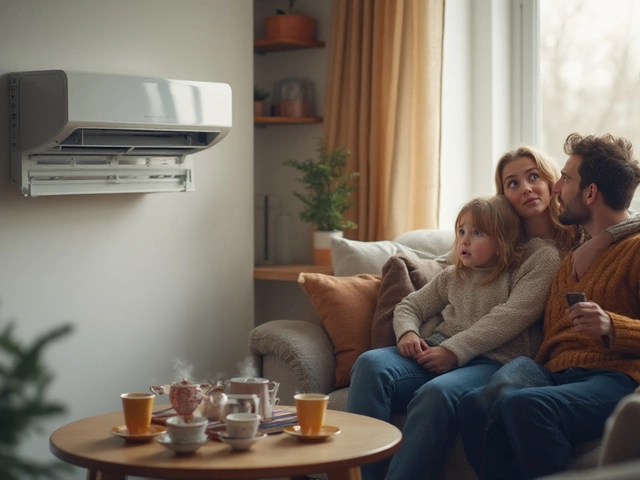
Is your heat pump not blowing warm air? Here’s what causes it and how you can troubleshoot the issue. Easy fixes and tips for a cozy home.
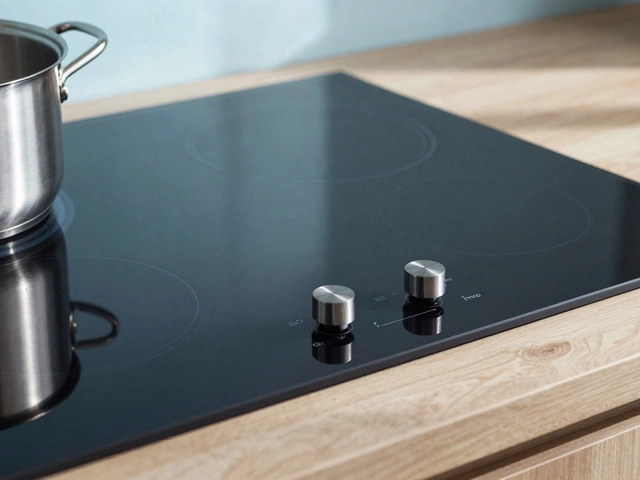
Learn exactly how to reset your electric hob when screens freeze or zones fail. This guide covers universal power cuts, button combinations, and recognizing genuine faults versus false alarms.