

Got an appliance that’s acting up? You’re not alone. From a noisy washing machine to a fridge that won’t cool, most of us face a broken gadget at some point. The good news is you don’t always need to wait for a technician. With a few simple steps, the right tools and a bit of confidence, many appliance jobs can be tackled at home. Below you’ll find quick fixes, maintenance tricks and clear signs that it’s time to call Bognor Regis Appliance Repair Experts.
First, identify the problem. Is your oven not heating? Check the element – a burnt‑out element is the most common culprit and can be swapped in under an hour. For an electric hob, a faulty burner element is often the issue; you’ll need a screwdriver, a multimeter and the replacement part. If the light inside your fridge works but it stays warm, the condenser coils are probably dirty. Pull the fridge out, vacuum the coils, and you’ll often restore proper cooling.
When it comes to heat pumps, a lack of warm air usually means a clogged filter or a failing fan. Turn off the unit, clean the filter, and inspect the fan blades for obstruction. A quick clean can bring the heat back without a call-out. For water heaters that keep resetting, look for a tripped safety valve or a buildup of sediment. Flushing the tank once a year prevents this and extends the unit’s life.
Some jobs are best left to the experts. If you’re dealing with gas – think boilers or gas‑powered water heaters – safety is non‑negotiable. A faulty gas valve or leak requires a Gas Safe engineer. Same goes for deep electrical work; a live wire mistake can cause a fire. If you’ve tried the basic checks and the appliance still won’t work, or if the repair cost approaches 50‑70% of a new unit, it’s time to get a professional opinion.
At Bognor Regis Appliance Repair Experts we specialize in quick, reliable service. Our technicians handle everything from dishwasher element replacements to full heat‑pump overhauls. We’ll give you a clear quote, explain what’s wrong, and fix it on the spot whenever possible.
Maintaining your appliances is the cheapest way to avoid costly breakdowns. Schedule a simple annual check for your boiler, clean the lint filter in your dryer after each use, and never overload your washing machine. Small habits add up to big savings and a longer life for every device.
Ready to tackle that appliance job yourself? Grab the right tools, follow the steps above, and you’ll likely solve the issue in under an hour. Still stuck? Give us a call and let our local experts handle it – fast, friendly and with a guarantee you can trust.
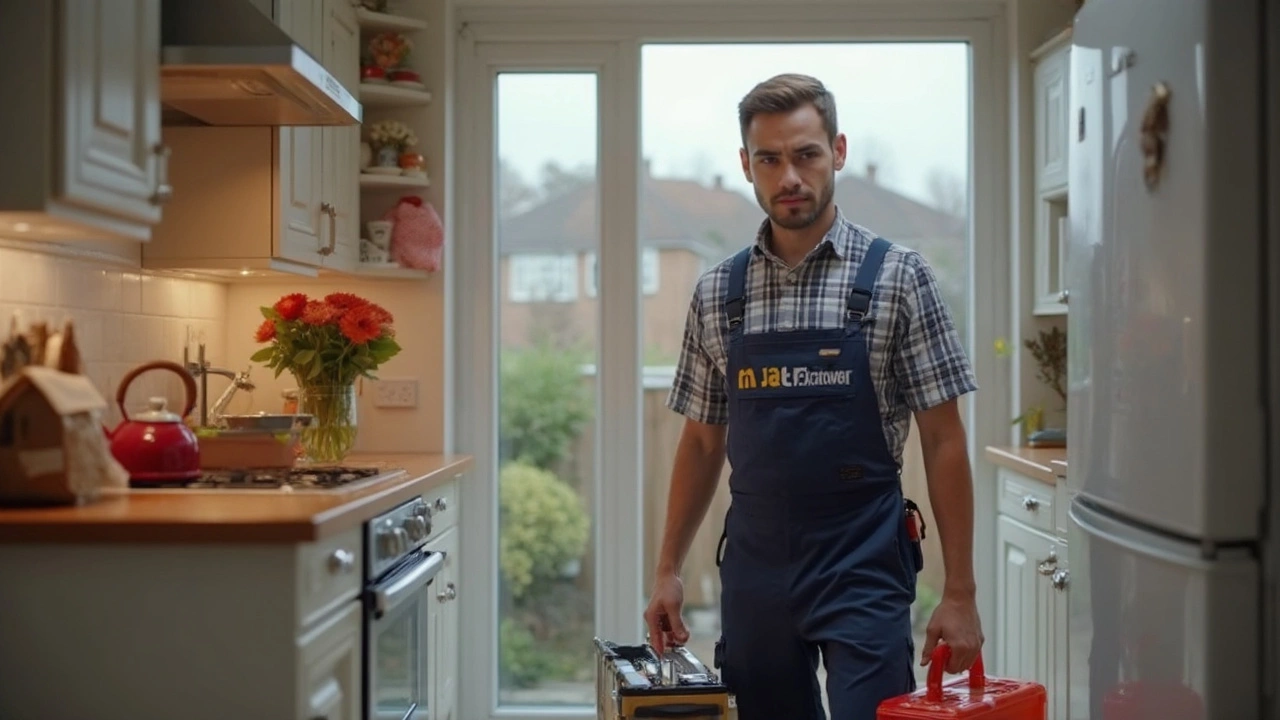
Wondering what an appliance job really is? This article breaks down everything you need to know, from common types of jobs to what actually happens when a technician shows up at your door. You'll learn when to call for help, what to expect during a service visit, and how to get the best results for your money. Get practical tips before you book, so there are zero surprises. Whether it’s your fridge, washer, or oven acting up, this guide has your back.
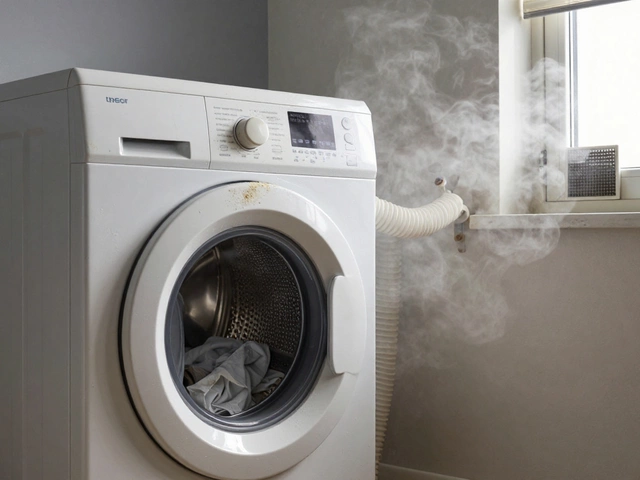
Most tumble dryers last 8-13 years, but poor maintenance can cut that in half. Learn the signs your dryer is failing, when to repair vs replace, and how to make it last longer.
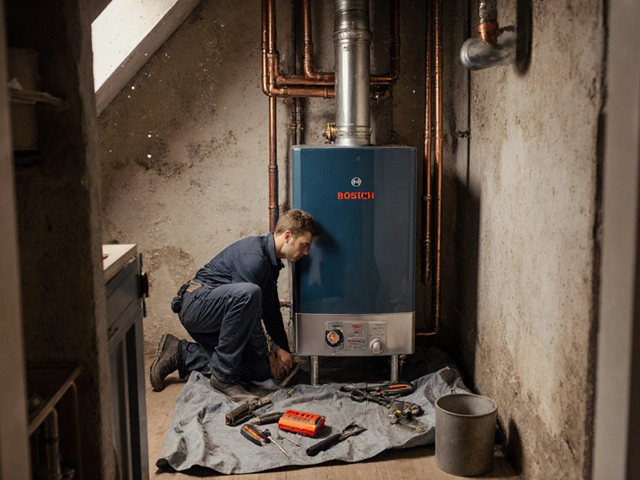
Replacing a boiler costs thousands because it's not just the unit-it's labour, safety checks, pipe upgrades, and compliance. Learn why this big investment is necessary and how to avoid overpaying.
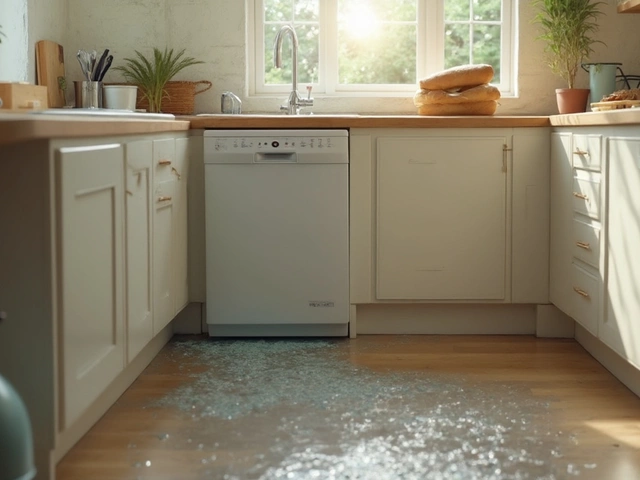
Dishwashers are a staple in modern kitchens, but they often face common issues. So, what's the most frequent problem users encounter? This article dives into typical faults like drainage issues and proposes practical solutions. Understand why your dishwasher might not clean effectively and learn simple DIY fixes to keep it in top shape. By addressing these issues, you'll ensure your dishwasher runs smoothly for years to come.
Water heaters are essential fixtures in homes, providing warm water for daily needs. Understanding their lifespan can help homeowners plan for replacements and avoid unexpected cold showers. Depending on the type and maintenance, a water heater can typically last between 8 to 12 years. Regular inspections and upkeep can potentially add years to a water heater's lifespan.

Wondering if your 20-year-old oven can be repaired? Discover repair tips, replacement part insights, costs, and when it makes sense to swap your old oven for a new one.