

If you own a water heater, you’ve probably heard the term “anode rod” but never really understood it. Think of the anode rod as the unsung hero inside your tank – a sacrificial metal that fights corrosion so the tank itself doesn’t rust away.
When the rod does its job, it slowly erodes instead of the steel tank. Over time the rod gets worn down, and if you ignore it, the tank can start corroding, leading to leaks and expensive replacements. The good news? Checking and swapping the rod is a cheap, easy task that many DIYers can handle.
An anode rod is usually made of magnesium, aluminium, or a zinc‑aluminium alloy. It’s placed at the top of the water heater, sticking out of the tank. When water sits in the tank, the metal’s electro‑chemical reaction attracts the corrosive elements, protecting the steel walls.
The type of metal matters. Magnesium rods work best in soft water, while aluminium rods are better for hard water because they dissolve more slowly. Some manufacturers combine both to get a balanced performance. The rod’s length and diameter match the size of your heater – typical residential units use a 2‑ to 3‑inch diameter rod.
Most experts recommend inspecting the rod at least once a year. If you notice any of these signs, it’s time for a swap:
Replacing the rod is straightforward:
All the tools you need are usually around the house: a wrench, some Teflon tape, and a bucket for the drained water. The whole job takes under an hour for most folks.
Skipping the replacement can cost you far more than the $30‑$50 price of a new rod. A corroded tank may start leaking, forcing you to replace the entire heater – a thousand‑plus pound job.
In short, make a habit of checking the anode rod annually. It’s a tiny maintenance step that saves you big headaches down the road. If you’re ever unsure, give a local repair service a call – they can quickly assess the rod and replace it if needed.
Keep your water heater protected, your hot showers consistent, and your wallet happy by treating the anode rod the respect it deserves.
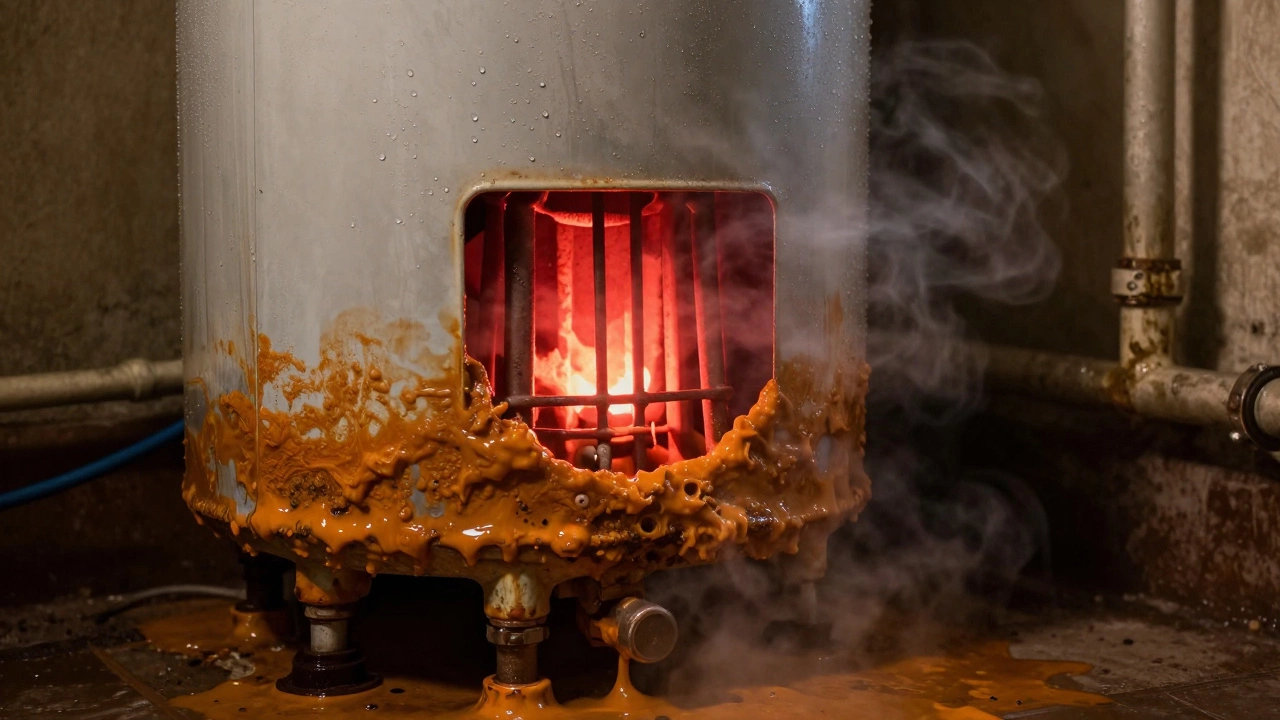
Sediment buildup from hard water is the #1 cause of water heater failure. Learn how mineral deposits damage your tank, why the anode rod matters, and simple steps to prevent leaks and extend your heater's life.
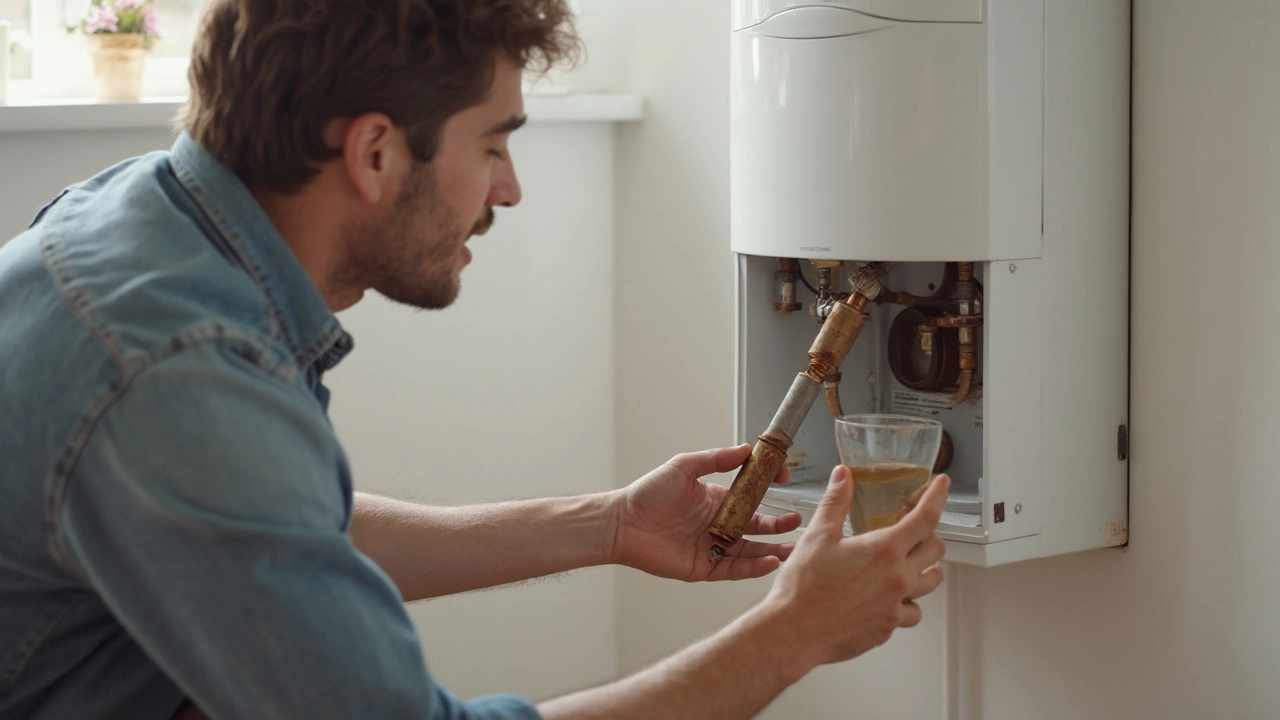
Not sure if your water heater's anode rod is shot? This article breaks down the telltale signs that your anode rod is past its prime, from weird smells to rusty water. Find out how long these rods actually last, why they're so important, and how to check them yourself. With some simple tips, you'll spot trouble before it wrecks your tank. Get the facts so you can keep hot water flowing without a nasty surprise.
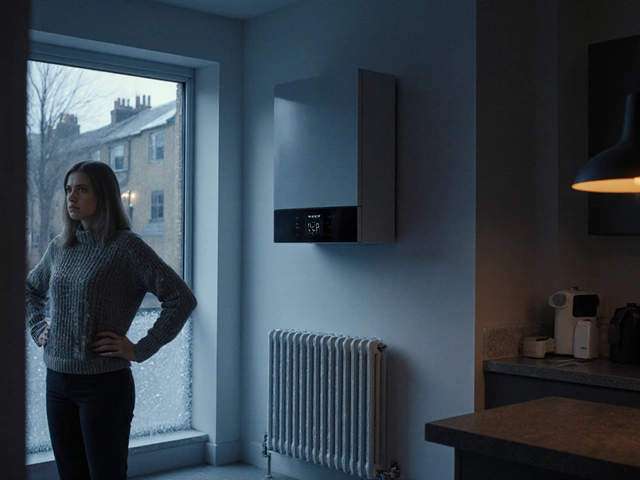
A practical UK guide that tells you exactly who to call when your boiler fails, how to verify a qualified engineer, and what steps to take before and after the repair.
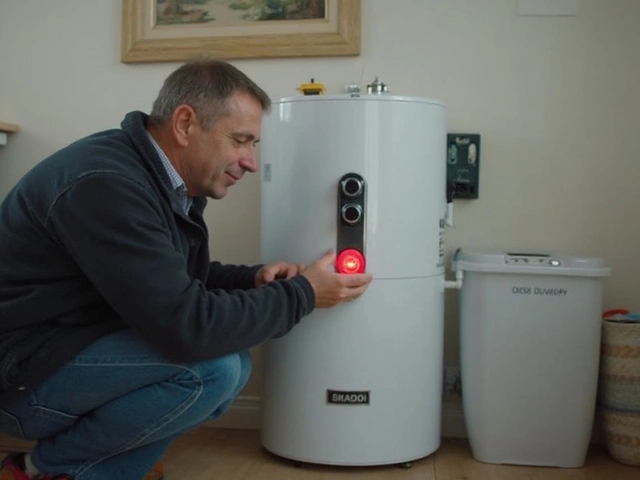
Ever wondered why you end up pushing that red reset button on your water heater over and over? This article digs into exactly what the reset button does, why it keeps tripping, and what can go wrong if you keep hitting it. Get clear answers about hidden water heater issues and learn simple steps to protect your system—and your wallet. We’ll walk you through warning signs, smart troubleshooting tips, and when it’s time to call a pro. No tech jargon, just straight talk for anyone tired of cold showers.
In the world of home heating, boilers are real workhorses. But have you ever wondered how long your trusty boiler will keep chugging along? Typically, a boiler can last anywhere from 15 to 20 years, depending on various factors like maintenance, usage, and quality of installation. Knowing when to fix or replace your boiler not only ensures a warm home but also helps you avoid unexpected expenses.

Find out if your food is safe after a freezer breakdown. Learn how long food stays cold, what to keep vs. toss, and essential steps to prevent waste and illness.

Can your gas oven be fixed? Learn which common parts like igniters and thermostats fail, when to DIY, and when to call a Gas Safe professional for safety.