

Bad indoor air can make you feel tired, itchy, or even sick. The good news is you don’t need to spend a fortune to fix it. A few everyday habits and the right appliance care can dramatically improve the air you breathe at home.
Every room in your house traps dust, pet dander, cooking fumes, and mold spores. When those pollutants build up, they circulate through heating and cooling systems, spreading the problem. Poor air quality can trigger allergies, worsen asthma, and lower concentration. That's why keeping the air clean isn’t a luxury—it’s essential for health.
1. Use extractor fans correctly. Kitchen and bathroom extractor fans pull out steam, grease, and moisture. Make sure they run for at least 15 minutes after cooking or showering, and clean the filter monthly. A clogged fan works harder and pushes damp air back into the room, encouraging mold.
2. Service your heat pump. Heat pumps move air, but they also collect dust on coils and filters. Schedule a yearly check‑up, replace or clean filters, and clear any debris around the outdoor unit. A well‑maintained pump delivers fresh, filtered air and saves energy.
3. Keep vents and registers clear. Furniture, curtains, or rugs placed in front of vents block airflow. When air can’t move freely, pollutants linger. Rotate furniture occasionally and vacuum vents to let the system breathe.
4. Change furnace or boiler filters. A dirty filter is a prime source of indoor pollutants. Replace it every 3‑6 months, or sooner if you have pets. It’s a cheap step that makes a big difference in overall air quality.
5. Add plants wisely. Some indoor plants absorb toxins, but they also need proper watering. Over‑watering can create moldy soil, which defeats the purpose. Choose low‑maintenance varieties like spider plant or snake plant, and keep soil dry.
6. Reduce indoor smoking and strong chemicals. Smoke, aerosol sprays, and harsh cleaning products release particles that linger for hours. Open a window for a few minutes after using them, or switch to natural alternatives.
7. Use a humidifier or dehumidifier when needed. Too much humidity fuels mold, while very dry air irritates lungs. Aim for 40‑60% relative humidity. A small portable device can keep levels steady without major installation.
By taking these easy steps, you’ll notice cleaner air, fewer allergies, and a more comfortable home. If you’re unsure whether your extractor fan, heat pump, or boiler is working properly, give our local Bognor Regis experts a call. We can pinpoint problems, perform fast repairs, and set you up with a maintenance plan that keeps the air flowing smoothly all year round.
Remember, good air quality starts with the appliances you already have. Regular cleaning, timely filter changes, and a quick check‑up each year go a long way. Take action today, and breathe easier tomorrow.

Keeping your home well-ventilated is essential, and extractor fans play a crucial role in maintaining air quality. Whether you're installing a new fan or repairing an old one, it's important to know who to call. Professional electricians and specialized ventilation technicians are the go-to experts. They ensure fans are properly installed and functioning efficiently, saving you from potential hassles down the road.

Spotting the two most common electric stove problems can make repairs easier. Learn how to catch signs like faulty burners and control issues with clear, helpful steps.
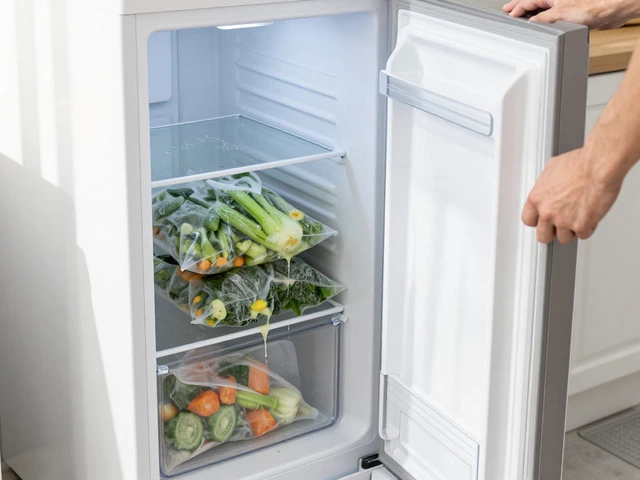
Learn how to troubleshoot a broken freezer step-by-step. From checking power sources to diagnosing defrost heaters, this guide helps you save food and money.
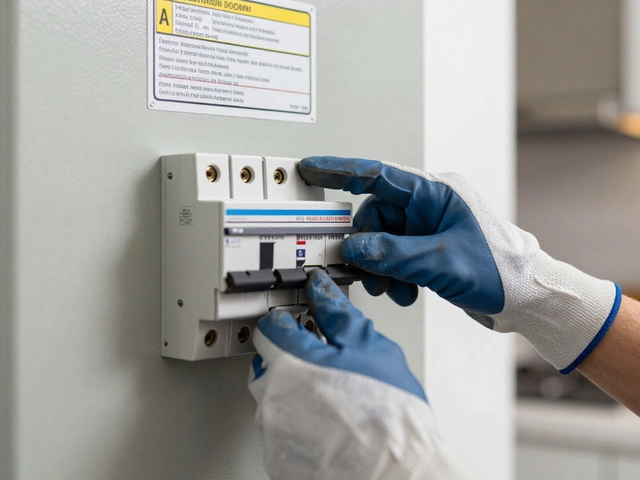
Learn how to safely fix a burnt electric hob by checking the element, testing with a multimeter, replacing parts, and preventing future damage. Avoid fire risks with these step-by-step tips.
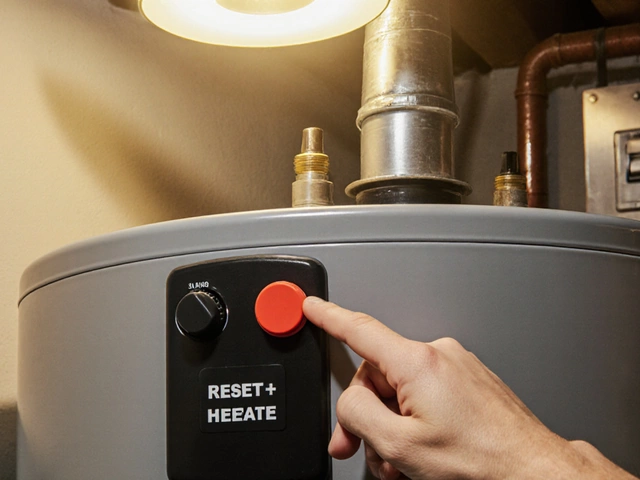
Learn how to safely reset both electric and gas hot water heaters, troubleshoot common issues, and know when to call a professional.
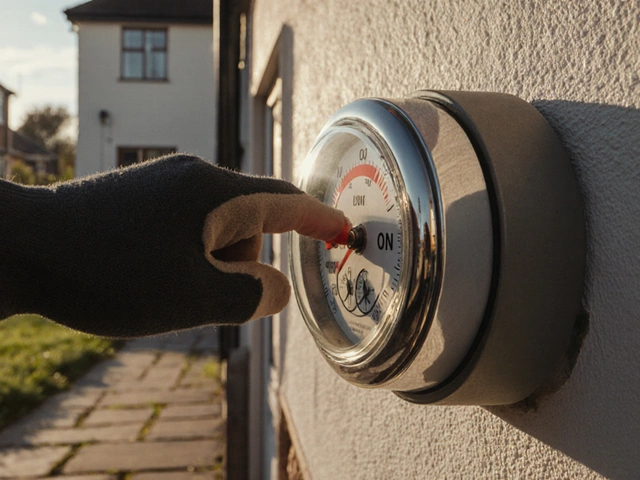
Learn why all your gas appliances might stop working, how to safely troubleshoot common issues, and when to call a Gas Safe engineer.