

If your oven is seven years old and starting to act up, you’re probably wondering whether a fix will do or if it’s time for a new one. Seven years is right around the middle of most oven lifespans, so you still have options. Below we’ll walk through the most common issues, how much they usually cost, and the signs that say “buy new”.
After a few years of regular use, ovens develop wear and tear. The most frequent complaints are:
Most of these issues can be diagnosed quickly by a professional, and many are fixable for a fraction of the price of a brand‑new oven.
Repair costs vary based on the part and labour. Here’s a rough breakdown:
Labour typically adds £50‑£80 per hour. If the total repair bill pushes above £250, compare that with the price of a new oven of similar size and features (usually £400‑£800). If you’re close to the upper end of that range, replacing might be smarter.
Even if a repair looks cheap, consider these red flags:
In those cases, a new oven will save you money on energy bills and give you modern conveniences.
For most 7‑year‑old ovens, a quick check by a qualified technician can tell you exactly what’s wrong. At Bognor Regis Appliance Repair Experts we can test the heating element, calibrate the thermostat, and replace faulty parts on the spot. Our rates are transparent and we’ll give you a clear recommendation – repair if it’s under £250, replace if it’s higher or if the oven shows multiple aging signs.
Want to extend your oven’s life after a repair? Keep it clean, avoid slamming the door, and run a self‑clean cycle only when needed. Regularly checking the door seal and wiping spills right away can prevent bigger problems later.
Bottom line: A 7‑year‑old oven isn’t dead, but it’s at a crossroads. Use the cost guide above, watch for the warning signs, and call a local pro for a precise diagnosis. That way you’ll spend money wisely – either fixing a perfectly good oven or investing in a fresh, efficient model that’ll last another decade."

Wondering if you should throw out your seven-year-old oven or give it a second chance? This article breaks down when it makes sense to fix an older oven, what problems are easy or tough to repair, and how much money you might actually save. Get straight answers on costs, lifespan, and smart ways to keep your oven running. No fluff—just helpful facts and real advice you can use.
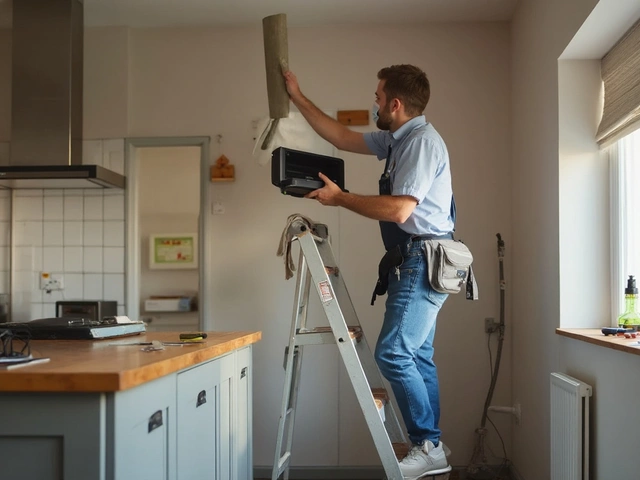
Wondering if you can swap out an extractor fan without calling in a pro? This article breaks down what it really takes to replace an extractor fan yourself, from the easy steps to watch-outs that could trip you up. Learn which tools you’ll need, how to stay safe with electricity, and where to draw the line and call an expert. Get helpful tips and facts straight from a practical perspective. Perfect for anyone ready to tackle a home repair without risking their safety or their ceiling.
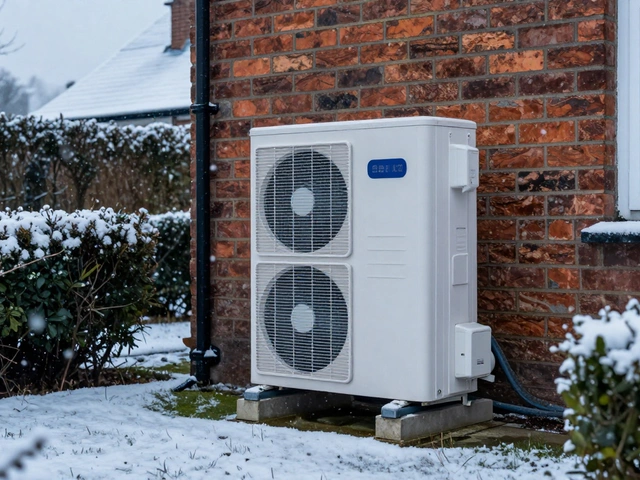
Discover real heat pump repair costs in the UK for 2026. Learn which faults are expensive, how maintenance saves money, and when to replace vs repair your system.

Fixing an extractor fan can be a straightforward process if approached with the right tools and knowledge. This article delves into various factors affecting repair time, common issues encountered, necessary tools, and preventive tips to maintain optimal performance. Readers will discover useful advice on diagnosing problems and learn how to efficiently address and resolve them, ensuring a smooth and fresh airflow in kitchens and bathrooms.

Electric ovens are handy, but they're not immune to problems. This article breaks down the most common faults people face, from ovens not heating properly to strange noises and error codes. You’ll get real tips on troubleshooting and signs when it’s time to call in the pros. Save time (and maybe some frustration) by knowing what to look out for. Find out why your oven might let you down and how to deal with it.
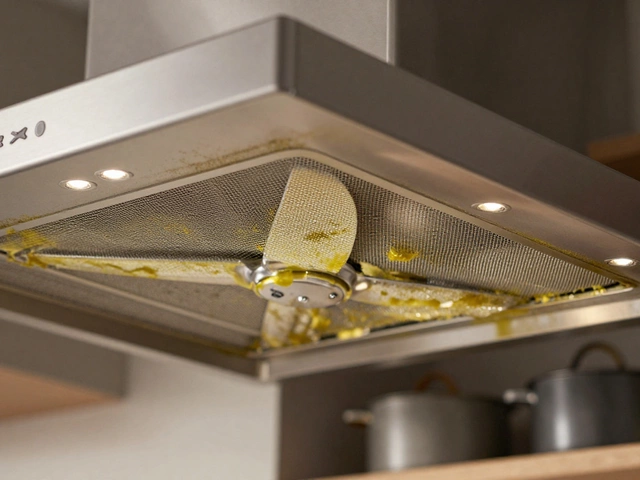
Discover if extractor fans wear out and learn their average lifespan. Identify signs of failure like noise and reduced airflow, and find out when to repair or replace your unit.