

If you’ve got a water heater that’s been humming for three decades, you’re probably proud of its stamina. But a 30‑year old unit also means more chances for hidden wear, higher energy bills, and unexpected breakdowns. Knowing what to watch for and how to keep the system healthy can save you from cold showers and costly repairs.
Most manufacturers quote 10‑15 years for a typical tank, yet many homeowners stretch that to 20 or even 30 years with proper care. The key factors are water quality, usage habits, and regular maintenance. Hard water leaves mineral deposits that eat away at the tank’s lining, while frequent hot‑water draws force the heating elements to work harder.
Age alone isn’t the whole story. A 30‑year heater that’s been flushed every year and has a working anode rod can still perform well, whereas a poorly maintained 10‑year unit might already be failing. So, focus on condition, not just calendar years.
1. Flush the tank annually. Sediment builds up at the bottom, reducing efficiency and causing rust. Turn off power or gas, connect a garden hose to the drain valve, and let the water run until it’s clear.
2. Check the anode rod. This sacrificial metal piece attracts corrosion. If it’s more than half‑consumed, replace it. It’s a cheap part that adds years to the heater’s life.
3. Adjust the temperature. Setting the thermostat to 120°F (49°C) cuts energy use and slows mineral buildup. It’s hot enough for most tasks and reduces stress on the heating elements.
4. Inspect for leaks. Small drips around the tank, pressure relief valve, or connections signal rust or seal failure. Catching a leak early prevents water damage and stops the heater from working overtime.
5. Test the reset button. Many electric heaters have a high‑limit reset that trips when the water gets too hot. If you find yourself resetting it often, the thermostat or heating element may need attention.
Beyond these basics, schedule a professional check every few years. A qualified engineer can test the heating element, examine electrical connections, and verify that the venting (for gas units) is clear.
When you start seeing sputtering water, a rotten egg smell, or a sudden drop in hot‑water supply, those are warning signs that the tank’s internal corrosion is serious. At that point, weighing repair costs against a fresh, energy‑efficient model makes sense.
Modern tankless or hybrid heat‑pump water heaters can cut your energy bill by 30‑50% and last longer with fewer moving parts. If your 30‑year heater is constantly demanding repairs, a switch might be the smarter long‑term move.
Bottom line: a 30‑year hot water heater can still do the job, but only if you stay on top of flushing, anode‑rod checks, temperature settings, and leak inspections. Treat those tasks like a quick weekly chore, and you’ll keep the showers warm and the bills low. If the system starts acting up despite your care, it’s time to get a professional opinion and plan for a replacement before you’re left in the cold.
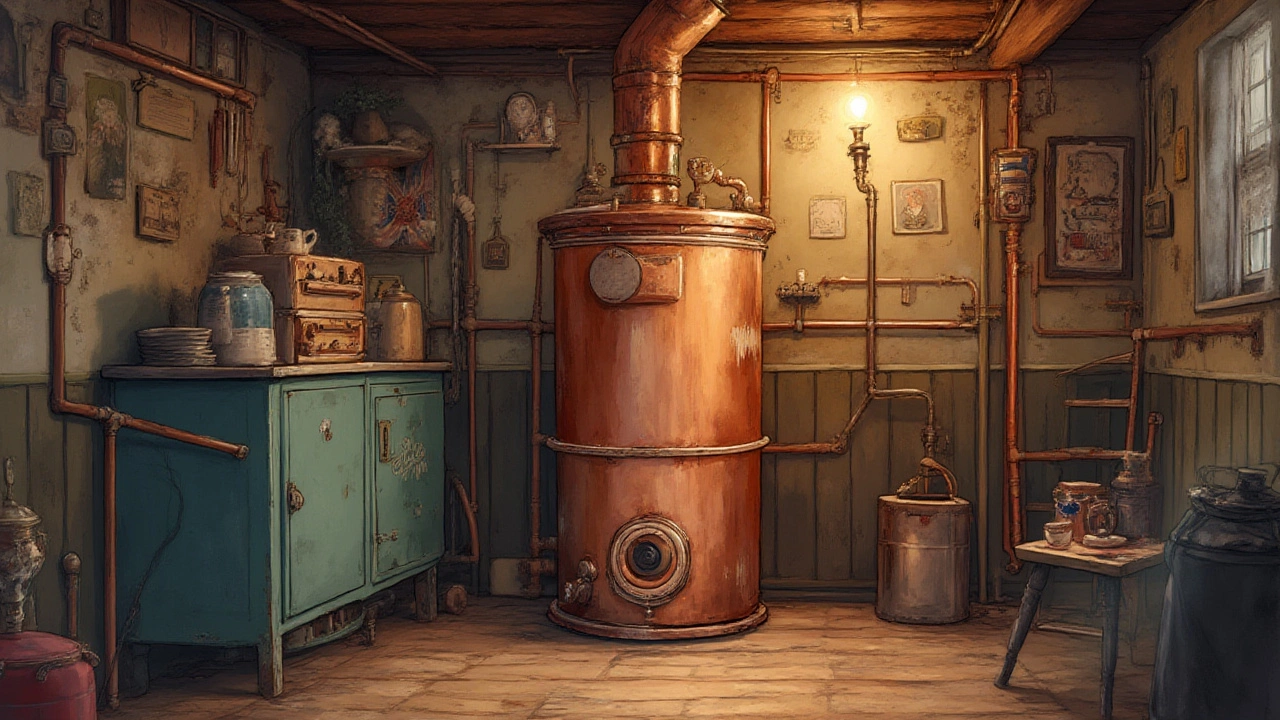
Is it possible for a hot water heater to last 30 years? Here’s a detailed look at what determines water heater longevity, what rare cases look like, and how you can extend your heater’s life with smart habits.

Stuck with a broken boiler and a cold house? This guide shares quick, practical steps to keep your home warm without a working boiler. Learn about safe heating alternatives, ways to trap heat, and smart tricks for getting through chilly nights. Find out what to avoid, when to call a professional, and how to prep for future breakdowns. Perfect for homeowners who want to stay safe and comfortable during a boiler emergency.
If you've ever found yourself wondering whether your freezer is on the fritz, you're not alone. Identifying the warning signs of a broken freezer is crucial in preventing food spoilage and costly repairs. This article delves into the common symptoms of a faulty freezer, how to troubleshoot these issues, and when to call a professional for help. Equipped with practical tips and insights, you'll be better prepared to ensure your frozen goods remain safe and your appliance functions efficiently.
You can usually use the toilet when your boiler is being replaced, but water may be shut off during installation. Learn when it’s safe, how to flush without water, and what to ask your plumber to avoid surprises.

Find out if Geek Squad repairs are truly free. Learn about warranty coverage, service plans, and real repair costs for laptops.

Is fixing a 4-year-old dishwasher actually worth it? Get honest advice, money-saving tips, and clear facts for making the smartest call.