

If your electric oven has been in the kitchen for a decade, you’ve probably noticed it getting a bit flaky. Maybe it won’t heat up properly, the timer glitches, or the oven door rattles. Before you panic and order a brand‑new unit, let’s see if you can bring it back to life or at least make a smart choice about replacing it.
A well‑maintained electric oven can easily hit the 12‑ to 15‑year mark. After that, parts start to wear out – heating elements corrode, thermostats go off‑track, and wiring can become brittle. The key is to watch for three warning signs:
When any of these show up, it’s time to test the oven before deciding what to do next.
First, try a quick DIY check. Unplug the oven, remove the back panel, and look at the heating element. If you see cracks, black spots, or a break in the coil, swapping the element is usually the cheapest fix. A new element costs between £30‑£70, plus a few pounds for a basic screwdriver set if you don’t already have one.
If the element looks fine, test the thermostat with a multimeter (or ask a friend who’s handy). A faulty thermostat can cause the oven to think it’s hot when it’s not, leading to under‑cooking. Replacing a thermostat is another £20‑£40 job.
When the problem is the control board or wiring, the cost jumps to £150‑£250 – often close to the price of a new budget oven. In that case, compare the repair quote with the price of a new model. A modern 10‑year‑old oven will likely be less energy‑efficient than today’s units, so a replacement could shave a few pounds off your electricity bill each year.
Don’t forget regular maintenance. Clean the oven’s interior after each use, wipe the door gasket, and run a self‑clean cycle (if available) every few months. Keeping the vents clear helps the fan and thermostat stay accurate.
Bottom line: if the repair cost is under £80 and the oven still heats evenly, go ahead and fix it. If you’re looking at a £150+ repair for a unit that’s already 10 years old, start shopping for a new oven – you’ll get better energy ratings and fewer headaches.
Need help deciding? Call a local specialist, explain the symptoms, and ask for an estimate. Most repair shops will give you a free diagnosis and a clear cost breakdown, so you can choose the smartest move for your kitchen and your wallet.

Figuring out whether to repair or replace a 10-year-old range can save money and hassle. This article explores cost considerations, common issues, and when to opt for repair versus replacement. Additionally, discover maintenance tips to extend your range’s life. Make informed decisions with a detailed look into repair pros and cons. Navigate the world of kitchen appliances with confidence.

Find out if Geek Squad repairs are truly free. Learn about warranty coverage, service plans, and real repair costs for laptops.

Gas hobs can suddenly stop working for a bunch of reasons, from ignition troubles to blockages or problems with gas supply. This article breaks down the main causes, so you don't have to guess what went wrong. You'll learn easy troubleshooting steps and a few quirky facts about why these appliances get stubborn. With some quick checks, you might even save yourself a call to the repair guy. Know when it’s a simple fix and when it’s time for a pro.
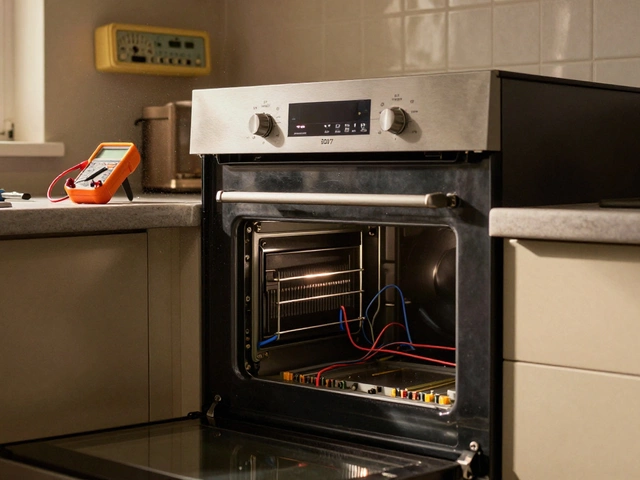
Is replacing your oven control board worth it? Learn the real costs, when to repair vs replace, and what most UK homeowners get wrong. Save money and avoid costly mistakes.

Experiencing no hot water in the shower can be frustrating, especially on cold mornings. This article provides practical solutions to diagnose and resolve common issues with your water heating system. From checking simple things like the thermostat to identifying more complex issues like a faulty heating element, you'll learn how to get back to enjoying a warm shower.
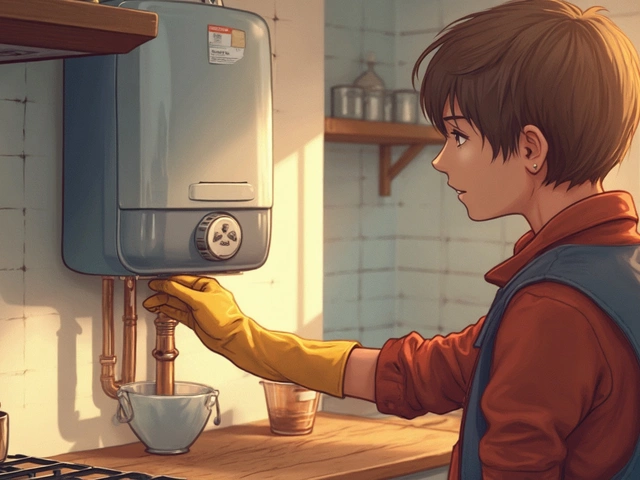
Resetting a water heater might seem simple, but it involves precaution. This article delves into when and why a reset might be necessary and explores the safety considerations involved. Learn about common signs that indicate a reset is due and the correct way to carry out this task. Discover the underlying causes of water heater issues to prevent future resets.