

If your dryer is hitting the 10‑year mark, you’re probably asking yourself if it’s still reliable or if it’s time to start shopping for a new one. The good news is that many dryers keep going well past a decade, but they do show clear warning signs when they’re nearing the end of their useful life. In this guide we’ll look at how long dryers normally last, what problems signal a failing unit, and smart ways to keep yours humming without breaking the bank.
Most manufacturers quote a lifespan of 10‑15 years for a properly maintained dryer. The actual number depends on a few everyday factors: how often you run it, the load size, and whether you clean the lint filter and vent regularly. A dryer that sees heavy weekly use in a big family can wear out faster than one that’s only used a few times a month. If your dryer is still drying clothes in less than an hour and doesn’t make rattling noises, it’s probably still within its sweet spot.
Even a sturdy dryer will start showing trouble as it ages. Watch out for these tell‑tale signs:
When you notice one or more of these issues, weigh the repair cost against the price of a new energy‑efficient model. A repair that costs more than half the price of a new dryer usually isn’t worth it.
Another tip: check the warranty and look up the specific model’s common issues online. Some brands have known flaws that are cheap to fix, while others require expensive part replacements.
Below are a few practical steps you can take right now to stretch your dryer’s life, even if it’s already a decade old.
1. Clean the lint filter after every load. A clogged filter forces the dryer to work harder, heating up the motor and reducing efficiency.
2. Inspect and clear the vent. A blocked vent can cause overheating and fire hazards. Pull the vent outside and remove any lint buildup at least once a year.
3. Check the drum belt. If the drum isn’t turning smoothly, the belt may be frayed. Replacing a belt is cheap and can save you from a full motor replacement later.
4. Level the dryer. An unbalanced unit causes excess vibration, which wears out bearings faster. Use a carpenter’s level and adjust the feet as needed.
5. Don’t overload. Heavy loads strain the motor and drum rollers. Follow the manufacturer’s load recommendations for best results.
By staying on top of these simple chores, you can often add another few years to a dryer that's already 10 years old. If the unit still struggles after you’ve done the basics, call a local repair pro. A quick diagnostics call can tell you whether a faulty heating element, thermostat, or motor is the culprit and how much it will cost to fix.
Bottom line: a 10‑year‑old dryer isn’t automatically dead. Look for performance drops, listen for odd sounds, and keep the lint path clear. If repairs start to add up, it’s smarter to invest in a newer, energy‑saving model that will lower your bills and give you peace of mind.

Is your 10 year old dryer gasping for air, and you’re wondering if it’s time to fix or toss it? This article breaks down how long dryers usually last, what typical repair costs look like, and when it just makes more sense to get a new one. You’ll find smart tips to figure out if fixing an older dryer is throwing good money after bad or saving yourself from an expensive upgrade. Get real-life advice that skips the fluff and gets to the point.

Wondering if your hot water heater is about to quit? This article breaks down the most common signs that your water heater needs to be replaced, from strange noises to rusty water. Find out how long these tanks usually last, what to look for during regular maintenance, and how to handle sudden issues. You'll get practical tips to keep your heater running smoothly and avoid a cold shower surprise. If you've ever worried about flooding, energy bills, or weird knocking, this is for you.
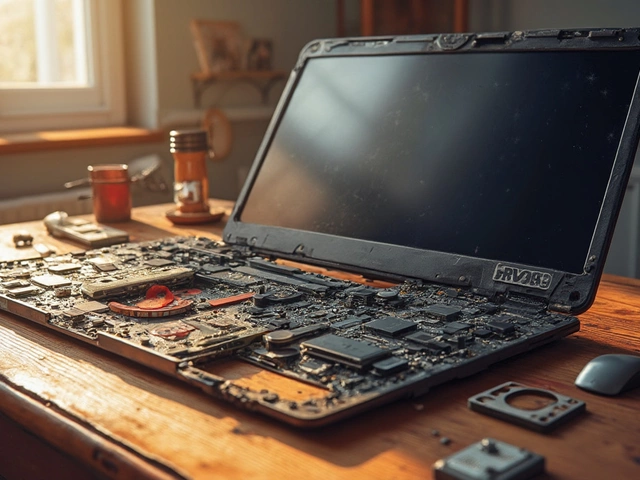
Fixing a laptop can often be a costly affair, with some components surprisingly pricey to replace. This article explores which part of a laptop typically incurs the highest repair costs and why. We dive into details like the high expense of screen and motherboard repairs, offering insights into why these parts hit the wallet hardest. Gain practical advice on maintaining your laptop to avoid these hefty bills in the first place, and discover some curious facts about common laptop repairs.

Wondering if your 20-year-old oven can be repaired? Discover repair tips, replacement part insights, costs, and when it makes sense to swap your old oven for a new one.
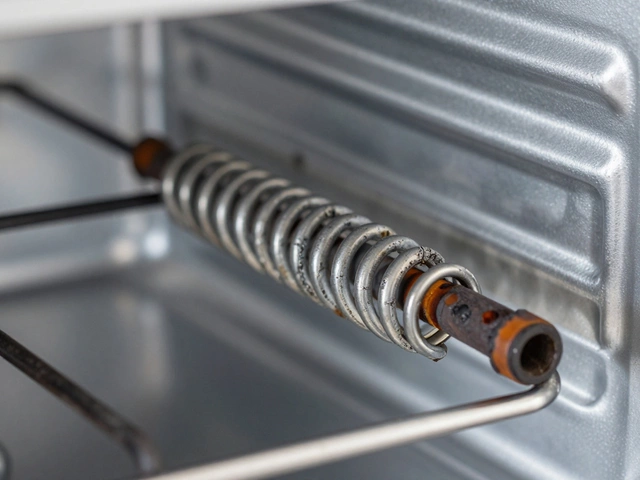
Find out exactly how much it costs to replace an oven heating element in the UK in 2026. Compare DIY vs professional repair prices, learn signs of failure, and decide if repair is worth it.

Curious how to fix a broken cooker? Explore hands-on steps, common faults, safety tips, and tricks to get your appliance working again—no jargon, just practical advice.