

If your dishwasher has stopped cleaning, is leaking, or makes strange noises, you’re probably wondering whether you can fix it yourself or need a professional. The good news is that many everyday issues are easy to spot and solve without tearing the machine apart. The bad news is that some problems require tools, parts, and know‑how that only a trained technician has.
First, make sure the dishwasher is still under warranty or covered by a service plan. If it is, calling the repair service right away can save you from voiding the warranty. Even if you’re not covered, a quick diagnosis can tell you whether a simple DIY fix will do the job.
Dishwasher won’t start. Check that the door latch is fully closed – many models won’t run if they think the door is open. Next, look at the power supply. Is the plug firmly in the socket? Is the circuit breaker tripped? A reset button on the control panel can also clear a minor electronic glitch.
Water won’t drain. The most common cause is a clogged filter or pump. Pull out the bottom rack, locate the filter (usually a round piece at the front), and clean out food particles. If the filter looks fine, the hose connecting to the sink might be kinked or blocked. Detach it (have a bucket ready) and blow through it to clear any debris.
Detergent isn’t dissolving. This often happens when the water isn’t heating enough. Check the heating element – it’s a metal coil at the bottom of the tub. If you see visible damage or it’s coated in limescale, it likely needs replacement. A quick test is to run a short cycle and feel the water at the bottom; it should be warm, not cold.
Rattling or buzzing noises. Loose spray arms, a loose pump, or an object stuck in the pump can cause noise. Remove the spray arms, spin them by hand, and clear any obstructions. If the noise persists, the pump motor might be failing – that’s a job for a pro.
When you’ve tried the basic checks and the dishwasher still misbehaves, it’s time to weigh the cost of a repair against a replacement. A typical repair in Bognor Regis runs between £80 and £150, depending on the part and labour. If the machine is more than eight years old, the price of a new dishwasher might be comparable, especially if you can snag a good deal on energy‑efficient models.
Another factor is safety. Working with electrical components and water can be risky. If you notice burnt smells, sparks, or water leaking onto wiring, stop immediately and call a technician. Trying to fix a serious fault yourself could cause more damage or void your warranty.
Our local experts at Bognor Regis Appliance Repair Experts have the training to diagnose hidden issues quickly. We’ll explain what’s wrong, give you a clear price, and fix the problem right the first time. Most repairs are done on the same day, so you won’t be stuck with a broken dishwasher for long.
In the meantime, keep your dishwasher running smoothly with a few easy habits: run hot water before starting a cycle, use the right amount of dishwasher‑safe detergent, and clean the filter monthly. These steps prevent most common faults and extend the life of your appliance.
So, next time your dishwasher hiccups, start with the simple checks above. If the problem sticks around, don’t waste time guessing – give a professional a call. Fast, reliable service is just a phone call away, and you’ll have clean dishes again in no time.

Ready to buy a new dishwasher? Check this guide for 2025's most unreliable dishwasher brands, stories you won't believe, and tested buying tips no one else will give you.

Is fixing a 4-year-old dishwasher actually worth it? Get honest advice, money-saving tips, and clear facts for making the smartest call.

When your dishwasher starts acting up, a quick, accurate diagnosis can save you from bigger headaches and pricey repairs. This article walks through simple methods to spot dishwasher problems, from weird noises to stubborn leaks. You'll learn what to check first, how to tell if it's a DIY fix, and when it's time to call in a pro. Handy tips and real-life examples make this guide easy to follow, even if you're not a born handyman. Don't let a small hiccup become a kitchen disaster — know what to look for and act fast.

Curious if you can fix your dishwasher without calling a pro? This article breaks down the most common dishwasher problems and explains which repairs you can actually do yourself. We’ll cover how complicated these appliances really are, how to figure out what’s wrong, the tools you’ll need, and which jobs might leave you better off calling an expert. Get practical tips, interesting facts, and a clear picture of what you’re actually signing up for before grabbing that toolbox.

Annoyed by standing water at the bottom of your dishwasher? This article breaks down why your dishwasher isn't draining, what can cause it, and how to troubleshoot the most common issues. Learn about clogged filters, garbage disposal connections, and more. I'll also share some handy tips to help you prevent problems in the future. Whether you're a first-timer or have dealt with dishwasher headaches before, you’ll find practical advice here.
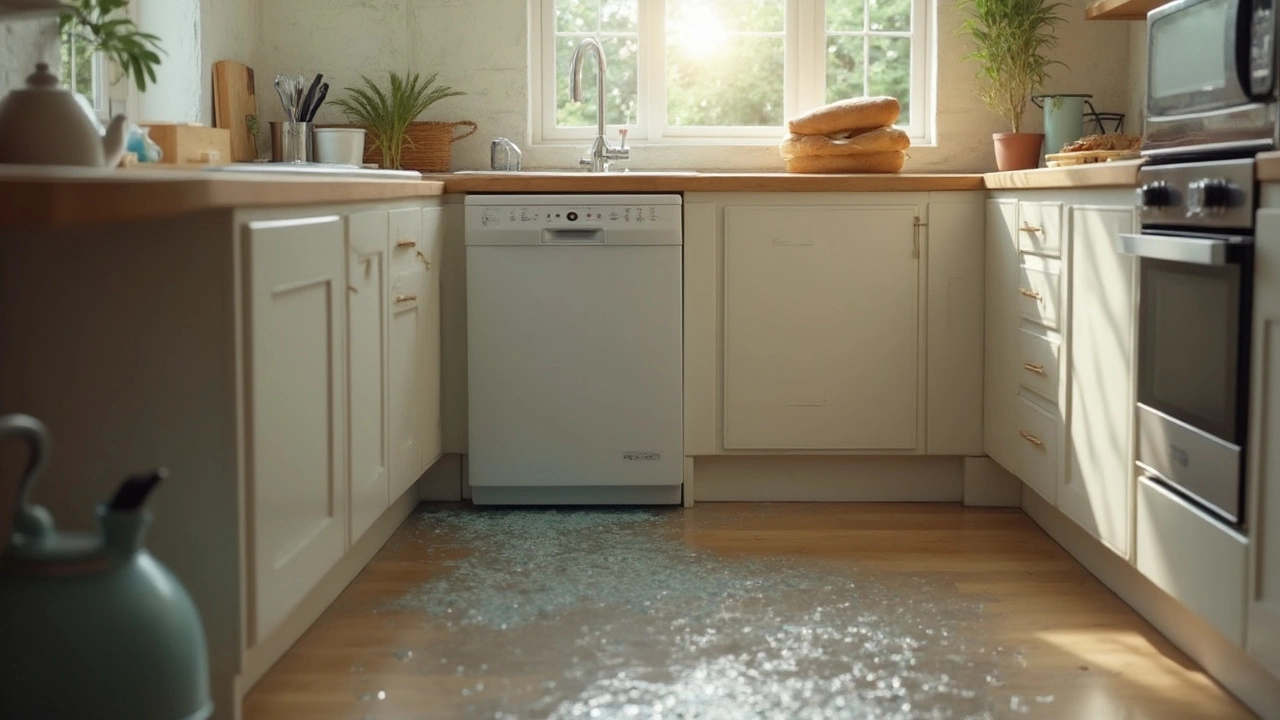
Dishwashers are a staple in modern kitchens, but they often face common issues. So, what's the most frequent problem users encounter? This article dives into typical faults like drainage issues and proposes practical solutions. Understand why your dishwasher might not clean effectively and learn simple DIY fixes to keep it in top shape. By addressing these issues, you'll ensure your dishwasher runs smoothly for years to come.

When it comes to kitchen convenience, dishwashers are hard to beat. They free up our time, reduce water and energy use, and help keep our kitchenware sparkling clean. But how long should one really expect a dishwasher to last? This article will explore average lifespans, key factors affecting longevity, and practical tips for extending the life of your trusty machine, ensuring you get the most value and efficiency.
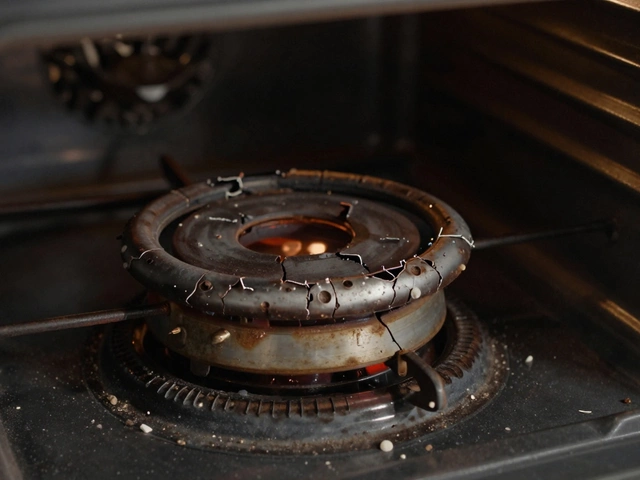
If your oven won't heat up, it's usually a simple fix-like a broken element, faulty thermostat, or blown fuse. Learn the most common causes and how to diagnose them yourself before calling a repair technician.

Is your hot water heater suddenly not working? Here’s what can go wrong, how to spot the problem fast, and pro tips to get hot water back right away.

Stuck with a broken boiler and a cold house? This guide shares quick, practical steps to keep your home warm without a working boiler. Learn about safe heating alternatives, ways to trap heat, and smart tricks for getting through chilly nights. Find out what to avoid, when to call a professional, and how to prep for future breakdowns. Perfect for homeowners who want to stay safe and comfortable during a boiler emergency.

This article breaks down what an appliance standard really is and why it matters when you’re buying or servicing home appliances. You’ll learn about the rules that keep appliances safe and efficient, plus tips for spotting compliant models. It explains how standards affect your bills and the planet. Real-world examples make it clear and easy to understand. Use this guide to make smarter choices about your appliances.
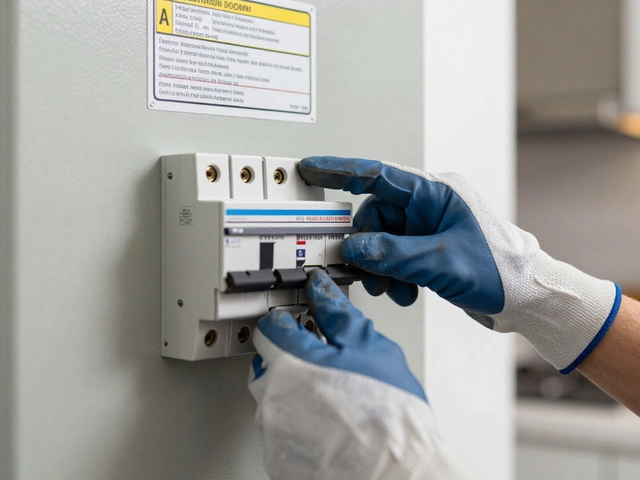
Learn how to safely fix a burnt electric hob by checking the element, testing with a multimeter, replacing parts, and preventing future damage. Avoid fire risks with these step-by-step tips.