

If you’re about to spend money on a new dishwasher, you probably want something that actually works. Unfortunately, not every brand delivers the performance you expect. Below we break down the most common complaints about the worst dishwasher brands and give you simple ways to steer clear of trouble.
One of the biggest red flags is poor cleaning power. Cheap models often use weak jets and low‑temperature cycles, leaving food residue on plates. If you notice dishes coming out “spotty” or still greasy, the brand’s design is probably at fault.
Another frequent issue is noisy operation. While a little hum is normal, some low‑quality machines shake or rattle loudly. That usually means the pump or motor isn’t built to handle daily use.
Leaking is a nightmare you don’t want to deal with. The worst brands cut corners on seals and hoses, so water can seep onto the floor. A small leak can quickly become a big mess and cause damage to cabinets.
Reliability numbers also reveal a lot. Brands that rank low on consumer surveys often need a repair call within the first year. Frequent breakdowns cost you time and money, negating any initial savings.
Start by checking reviews that focus on long‑term use, not just first‑impression ratings. Look for comments about cleaning results, noise level, and leak incidents. Sites that list warranty length can also hint at confidence from the manufacturer.
Look for features that actually matter: multiple wash cycles, a third rack for utensils, and a reliable drying system. Brands that offer these options usually invest more in overall build quality.
Energy efficiency is another clue. A good dishwasher will carry an ENERGY STAR label, meaning it meets strict standards for water and electricity use. Low‑efficiency models often cut corners elsewhere, like in the pump design.
Finally, compare price against the expected lifespan. A dishwasher that costs twice as much but lasts twice as long is often a smarter buy than a bargain model that quits after a few months.By keeping an eye on these signs, you can dodge the worst dishwasher brands and find a machine that actually does the job.
Remember, a dishwasher is an investment in convenience. Picking a reliable brand saves you hassle, keeps your kitchen dry, and leaves your plates sparkling. Use the tips above next time you shop, and you’ll avoid the common pitfalls that plague the lowest‑rated brands.

Ready to buy a new dishwasher? Check this guide for 2025's most unreliable dishwasher brands, stories you won't believe, and tested buying tips no one else will give you.
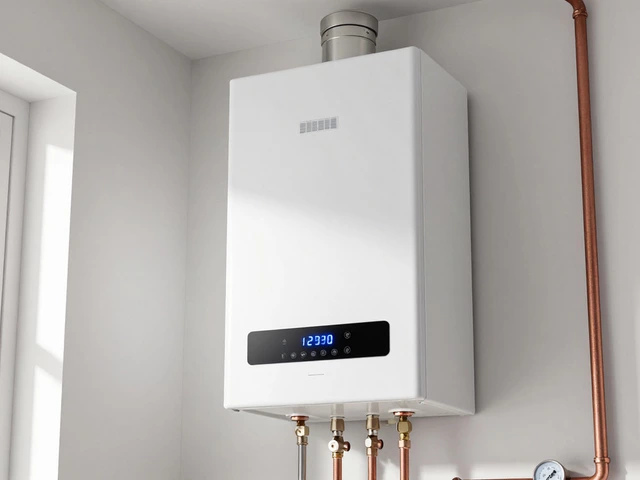
Discover why annual boiler servicing is essential for safety and efficiency. Learn what to expect during a check, warning signs to watch for, and how to save money on energy bills.

Extractor fans are crucial for maintaining fresh air and reducing humidity in various parts of a home. When these fans malfunction, it's important to know who to call for repairs. This article guides homeowners on how to find reliable extractor fan repair services. We'll look at why professional help is essential and what to consider when selecting a repair technician.

This article breaks down what 'appliance for a job' really means in the appliance service world. It explains common misunderstandings and clarifies whether it refers to equipment or applying for work. The piece gives real-world examples, explores the hiring process for technicians, and shares tips for both customers and job seekers. Straightforward info keeps things practical and easy to follow. If you've ever scratched your head at this phrase, you'll finally get the answer here.

Thinking about replacing your old boiler but dreading the mess? This article breaks down exactly what kind of disruption to expect during a boiler swap. Find out what typically gets messy, which steps are surprisingly neat, and how you can prep your space to keep chaos to a minimum. Get straightforward tips to protect your home, plus the real deal on post-installation cleanup. No sugarcoating—just facts every homeowner should know before booking the job.
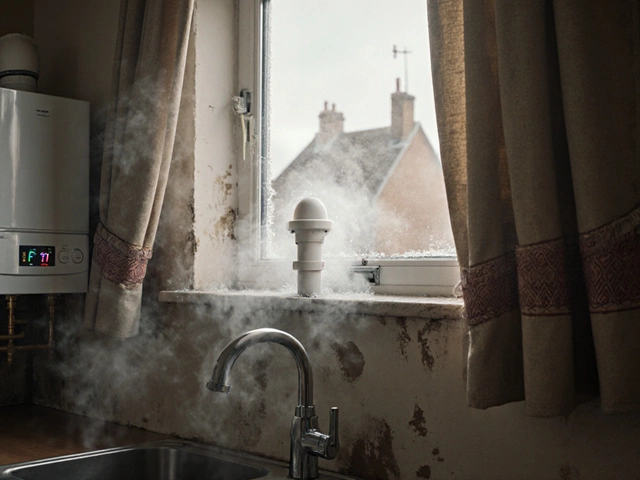
Your hot water stopped suddenly? This guide breaks down the top 7 causes - from low pressure to frozen pipes - and shows you how to fix them yourself before calling a plumber.