

If you open your dishwasher and see a pool of water at the bottom, you know the frustration right away. It can be messy, it can smell, and it makes your dishes look like they never got clean. The good news is most of the time the problem is something you can check yourself before you pick up the phone.
First, let’s talk about what usually makes water hang around. A blocked filter is the top culprit. Food bits and greasy scrap can clog the filter, stopping water from flowing out. Next, the drain hose might be kinked or blocked by a piece of debris. If the hose can’t push water out, it pools inside.
The pump itself can fail or get jammed. You might hear a humming sound but no water movement – that’s a sign the pump isn’t turning. Another sneaky cause is the float switch. It’s a small plastic piece that rises with the water level. If it sticks, the dishwasher thinks the tub is full and shuts off the pump.
1. Clean the filter. Pull out the bottom rack, locate the circular filter, and twist it out. Rinse it under warm water and use a soft brush to remove any baked‑on food. Put it back securely.
2. Inspect the drain hose. Follow the hose from the dishwasher to the sink or garbage disposal. Make sure it isn’t twisted or crushed. Detach it (have a bucket ready for water) and blow through it – if you feel resistance, run a thin wire or a flexible brush to clear the blockage.
3. Test the pump. Listen when the dishwasher runs a wash cycle. You should hear a low whirring noise. If the sound stops early or you hear a click, the pump might be jammed. You can remove the lower front panel, locate the pump, and look for any foreign objects like broken glass.
4. Check the float switch. The float is a small dome on the bottom of the tub. Gently lift it up and down – it should move freely. If it sticks, clean around it with a damp cloth. A sticky float can trick the machine into thinking it’s full.
5. Run a short cycle. After you’ve cleared the filter, hose, and pump, run a quick rinse cycle. Watch the bottom of the tub – the water should drain away. If it’s still there, you might have a deeper electrical issue.
Most of these steps take under 30 minutes and need only basic tools – a screwdriver, a bucket, and a sponge. If you’re not comfortable removing panels or if the dishwasher still won’t drain after these checks, it’s time to call a professional.
When you call a repair service, give them the details you just uncovered. Mention the filter, hose, and pump checks. That saves the technician time and often the cost. At Bognor Regis Appliance Repair Experts we’ve seen these exact problems countless times, and we can get your dishwasher back to normal quickly.
Don’t let a little water ruin your day. A quick clean‑up of the filter, a look at the hose, and a check on the pump usually sort things out. If not, professional help is just a call away, and you’ll have sparkling dishes again in no time.

Annoyed by standing water at the bottom of your dishwasher? This article breaks down why your dishwasher isn't draining, what can cause it, and how to troubleshoot the most common issues. Learn about clogged filters, garbage disposal connections, and more. I'll also share some handy tips to help you prevent problems in the future. Whether you're a first-timer or have dealt with dishwasher headaches before, you’ll find practical advice here.

Wondering if it's safe to send your laptop for repair? Learn how to protect your data, choose the right shop, and avoid warranty pitfalls with this practical guide.
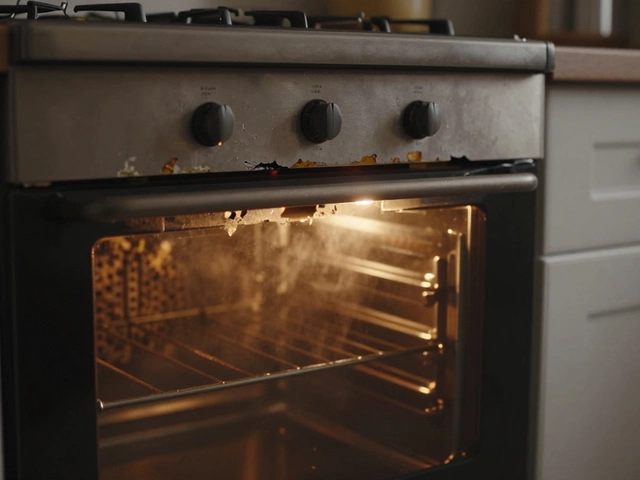
Most ovens last 10 to 15 years, but usage and maintenance affect lifespan. Learn the signs your oven is failing, when to repair vs. replace, and how to make it last longer.

Considering replacing your electric oven on your own? Before you jump into action, it's crucial to understand the steps involved and the potential challenges you might face. From ensuring safety precautions to understanding the basic wiring, this article delves into what you need to know. We'll discuss not only the tools and skills required but also when it's better to call in a professional. By the end, you'll have a clearer picture of whether you should tackle this task yourself or seek expert help.

Discover what causes heat pumps to break down, the warning signs, and how to keep yours running smoothly with practical tips for any homeowner.

Can you replace an electric hob element? Absolutely! This hands-on guide dives into safe, practical steps for swapping out faulty burners and keeping your electric hob in top shape.