

When working with water heater reset button, the small push‑type switch that restarts an electric water heater after it trips. Also known as reset switch, it protects the unit from overheating and restores hot water when conditions are safe. Most homeowners only see it when the shower turns cold and a flashing light appears on the heater. The button isn’t a magic fix; it’s a safety latch that tells the system, “Cool down first, then give it another go.” Understanding how it fits into the heater’s overall safety network saves you time, frustration, and a wasted call to a repair tech.
The reset button works hand‑in‑hand with several other components. electric water heater, a tank‑type appliance that stores and heats water using electric elements relies on a thermostat and a pressure switch to monitor temperature and pressure. If thermostat, the sensor that tells the heater when the water is hot enough fails or reads high, the heater will shut off and the reset button will pop out. Similarly, a faulty pressure switch, the device that stops heating if water pressure gets too low or too high can cause repeated trips. In short, the reset button encompasses a safety mechanism, proper use of the reset button requires understanding the thermostat, and repeated resets influence the lifespan of the water heater.
Before you slam the button back in, turn off the power at the breaker, let the tank cool for at least 15 minutes, and check for obvious signs: a leaking tank, burnt smells, or rattling elements. If the heater looks fine, press the reset gently. If the light stays on and hot water returns, you’ve likely cleared a temporary overload. If it trips again within a short period, it’s time to inspect the thermostat, replace a worn pressure switch, or call a qualified technician. Remember, the reset button is a safety feature, not a diagnostic tool; it tells you something’s wrong, but it doesn’t fix the root cause.
Below you’ll find a collection of articles that dive deeper into each of these topics. From diagnosing boiler problems and flushing your water heater to understanding why a hot water system might run cold, the resources are organized to give you actionable steps, cost expectations, and clear signs when professional help is needed. Whether you’re a DIY enthusiast or just looking for quick answers, the guides will help you keep your hot water flowing without unnecessary headaches.
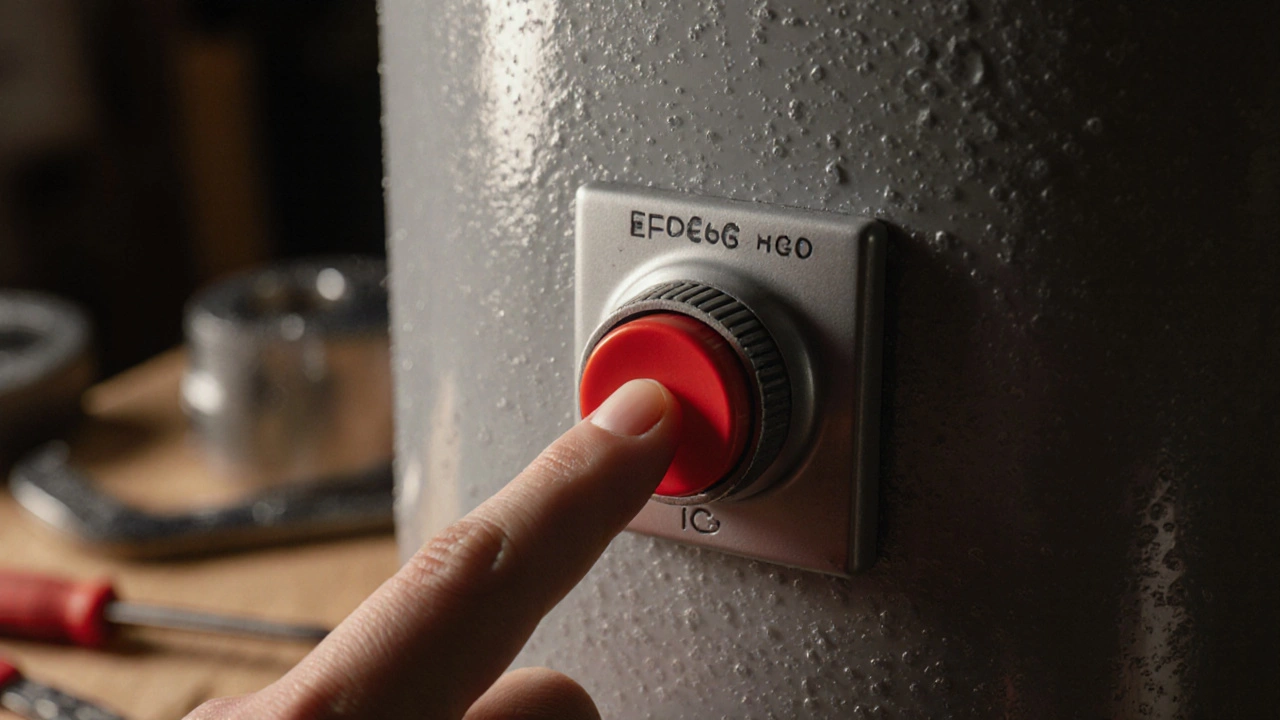
Learn how to properly reset your water heater's safety button - and why holding it down won't help. Find out what really causes it to trip and when to call a professional.
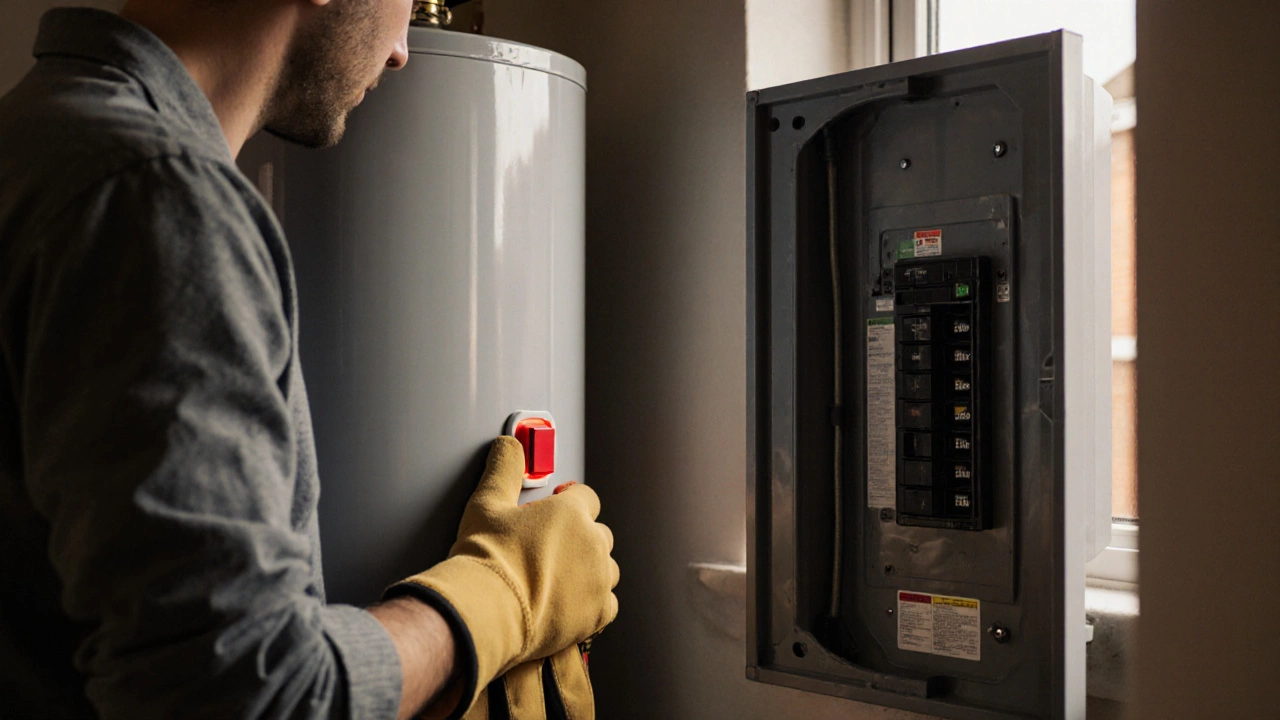
Learn when it's safe to press the water heater reset button, step‑by‑step instructions, common risks, and when to call a professional.

Ever wondered how long your trusty range oven will last? On average, a well-maintained range oven can serve you for about 10 to 15 years. Routine cleaning and minor repairs can help extend its lifespan. Knowing when to repair or replace your oven is crucial for efficiency and safety. Read on for practical tips to make sure your oven lasts as long as possible.

This article breaks down what 'appliance for a job' really means in the appliance service world. It explains common misunderstandings and clarifies whether it refers to equipment or applying for work. The piece gives real-world examples, explores the hiring process for technicians, and shares tips for both customers and job seekers. Straightforward info keeps things practical and easy to follow. If you've ever scratched your head at this phrase, you'll finally get the answer here.

Struggling with a troublesome boiler? Discover the most frequent issues like lack of heat, strange noises, and leaking water. Learn practical tips and tricks on how to diagnose and fix these problems on your own. Recognize when it's time to call a professional and keep your home warm and comfortable.
Wondering if you actually need an extractor fan? This article unpacks whether having one is essential for your home, focusing on bathrooms, kitchens, and the impacts of poor ventilation. Get practical advice about when an extractor fan is a must, what can go wrong without one, and tips for repair and maintenance. Make sure your living space stays fresh, dry, and hassle-free. Say goodbye to foggy mirrors and damp smells.

A malfunctioning freezer can be a headache, particularly when it involves the compressor. Understanding whether it's worthwhile to replace a compressor requires consideration of several factors, including cost, age, and efficiency. This article breaks down the key elements for deciding if compressor replacement is the best route. With practical advice and insider tips, you'll gain clarity on making an informed decision for your appliance.