

Nothing ruins a morning like a lukewarm shower. If you’re seeing cold water, strange noises, or a constant reset on your water heater, you’re probably wondering what to do next. The good news is many issues have simple fixes you can try yourself. The bad news? Some problems need a qualified tech fast to avoid bigger damage.
First, let’s look at the usual suspects. A broken thermostat or a faulty heating element can stop the water from warming up. Sediment build‑up at the bottom of the tank reduces efficiency and can cause the unit to overheat, triggering a reset. Leaking or corroded dip tubes block the flow of cold water, leaving you with tepid showers. For gas models, a clogged pilot light or a malfunctioning gas valve will also leave you in the cold.
Another common issue is a tripped high‑temperature reset button. This safety feature kicks in when the water gets too hot. If the reset button trips repeatedly, it’s a sign something deeper is wrong – perhaps a bad thermostat, a shorted heating element, or insufficient clearance around the tank.
Before you pick up the phone, try these quick checks. Turn off the power or gas supply, then let the heater cool for a few minutes. Remove the access panel and look for obvious signs: loose wires, burnt spots, or heavy sediment at the bottom. If the tank looks dirty, a full flush can restore performance. To flush, attach a garden hose to the drain valve, open the valve, and let the water run until it’s clear.
Next, test the reset button. Press it firmly; if the water heats up again, you may have just cleared a temporary overload. If it trips again within an hour, stop the test and call a professional – repeated resets usually mean a component is failing.
Check the thermostat settings. Most heaters are set at 120°F (49°C). If yours is higher, lower it and see if the unit behaves better. For electric models, you can use a multimeter to test the heating element for continuity; a reading of infinite ohms means the element is broken and needs replacement.
Don’t forget the simple stuff: is the power switch on? Is the circuit breaker tripped? Is the gas valve turned on? These oversights happen more often than you think.
If any of these steps feel unsafe, or if you discover a leaking tank, corroded pipe, or a faulty gas valve, it’s time to call in the experts. Trying to repair a gas issue without proper training can be dangerous.
When you decide to call a professional, choose a service that knows the local water conditions and has experience with Bognor Regis homes. Our team at Bognor Regis Appliance Repair Experts offers fast, reliable service for all types of water heaters. We’ll diagnose the problem, give you a clear quote, and fix it right the first time.
Regular maintenance can keep your water heater humming for years. Schedule an annual flush, inspect the anode rod for corrosion, and test the pressure‑relief valve. These small habits prevent big breakdowns and keep your hot water flowing.
Bottom line: many water heater problems start with simple fixes you can do yourself, but repeated issues, leaks, or gas‑related faults need a qualified technician. If you’re stuck, give Bognor Regis Appliance Repair Experts a call – we’ll get your showers back to full blast without a hassle.
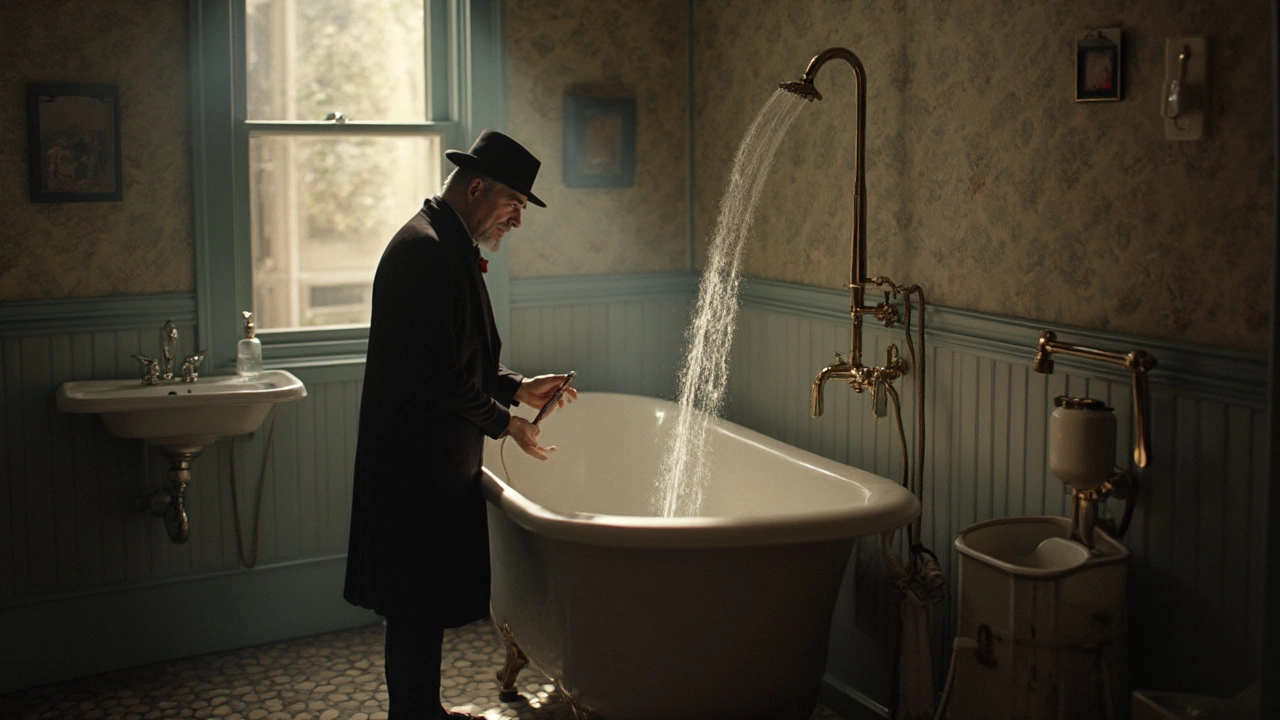
A puzzling situation arises when your shower lacks hot water while the sink heats perfectly fine. This article dives into possible reasons like different pipe routes, shower valve issues, and water heater capacity. It also offers practical solutions, such as checking the temperature settings and flushing the water heater to remove sediment. Understanding common plumbing malfunctions can lead to quick fixes without calling a professional.
If your extractor fan has suddenly stopped working, it's not just annoying but can lead to bigger problems like excess moisture and lingering odors. This article will delve into common issues with extractor fans and provide practical solutions you can try at home. Learn about potential causes, from power supply problems to sensor malfunctions, along with straightforward fixes. Some tips might even save you from calling in a professional. Get your fan back up and running with ease!
Microwave ovens, essential kitchen appliances for many households, can sometimes fail to operate smoothly. This article dives into the intricacies of microwave repair, exploring common issues, troubleshooting methods, and practical repair tips. Designed for both amateur DIY enthusiasts and curious individuals, the guide offers insights into understanding microwave components and determining when professional help is necessary. Learn the skills needed to fix minor problems and tips to maintain the efficiency of your microwave.

Exploring the value of repairing a freezer involves assessing various factors, such as the cost of repairs, the appliance's age, and the efficiency improvements of newer models. Understanding common freezer problems can help homeowners decide whether a repair is worthwhile. The decision should account for both economic and environmental perspectives, guiding when to repair or replace.

Stuck with a broken boiler and a cold house? This guide shares quick, practical steps to keep your home warm without a working boiler. Learn about safe heating alternatives, ways to trap heat, and smart tricks for getting through chilly nights. Find out what to avoid, when to call a professional, and how to prep for future breakdowns. Perfect for homeowners who want to stay safe and comfortable during a boiler emergency.
Deciding whether to repair an electric oven after five years can be tricky, especially with advancing technology and evolving household needs. This article explores the practical aspects of oven repair, including cost-benefit analyses, common issues, and DIY tips to help inform your decision. By understanding key factors like repair costs versus replacement options, you can make an informed choice. Learn how to assess the condition of your oven and get tips on when professional help might be needed.