

If you’re standing under a cold shower, you know how frustrating a dead water heater can be. The good news is most problems have easy fixes you can try before you pick up the phone. Below are the most common reasons a water heater won’t heat and the simple steps to get things back on track.
Electric heaters need a 240‑volt circuit. Open the breaker box and look for a tripped switch. If the breaker has popped, flip it back on and see if the tank lights up. For gas models, make sure the pilot light is lit. If the pilot is out, follow the manufacturer’s instructions to relight it – usually a knob to turn, a button to hold, and a few seconds of gas flow. When the flame is steady, the heater should start warming water again.
Sometimes the thermostat is set too low or has simply failed. Most heaters work best at 120°F (49°C). If you can, adjust the dial higher and give the unit an hour to heat. If the water stays cold, the thermostat may need replacement – a job most DIYers can handle with a few tools, but you can also call a technician.
Another quick check is the reset button. Electric heaters have a red button on the top or side. Press it gently; if the heater was in an over‑heat condition, the reset may restore normal function. If the button trips again right away, that signals a deeper issue like a burned‑out heating element.
Electric water heaters use two metal rods called heating elements. Over time, they can get coated with mineral build‑up, especially in hard‑water areas. Turn off power at the breaker, drain a few gallons, and unscrew the element with a wrench. Look for obvious corrosion or a broken coil. A multimeter can tell you if the element is still conductive – if not, replace it. New elements are relatively cheap and fit most standard tanks.
For gas heaters, the main culprits are a dirty burner or a malfunctioning gas valve. A professional can clean the burner and test the valve safely.
Sediment settles at the bottom of the tank and can cause the heater to overheat or make strange noises. To flush, shut off the water supply, attach a garden hose to the drain valve, and let the water run until it’s clear. This simple maintenance step can restore efficiency and prevent future breakdowns.
While you’re flushing, check the anode rod. It’s a sacrificial metal stick that stops rust inside the tank. If it’s heavily corroded, replace it – another cheap fix that adds years to your heater’s life.
If you’ve tried the power reset, checked the thermostat, and the water is still cold, it’s time to bring in an expert. Leaking tanks, strange smells, or repeated reset trips often mean a serious fault that needs proper tools and experience. A qualified technician can spot issues like cracked pressure valves, failing gas controls, or internal corrosion that aren’t safe to tackle yourself.
Also, if you’re dealing with a gas‑powered heater and the pilot won’t stay lit after multiple attempts, stop and call a pro. Gas leaks are dangerous and should never be ignored.
Keeping a water heater in good shape is mostly about routine checks: test the power or gas, flush the tank annually, and replace the anode rod every few years. With these habits, cold showers will become a rare inconvenience rather than a daily nightmare.
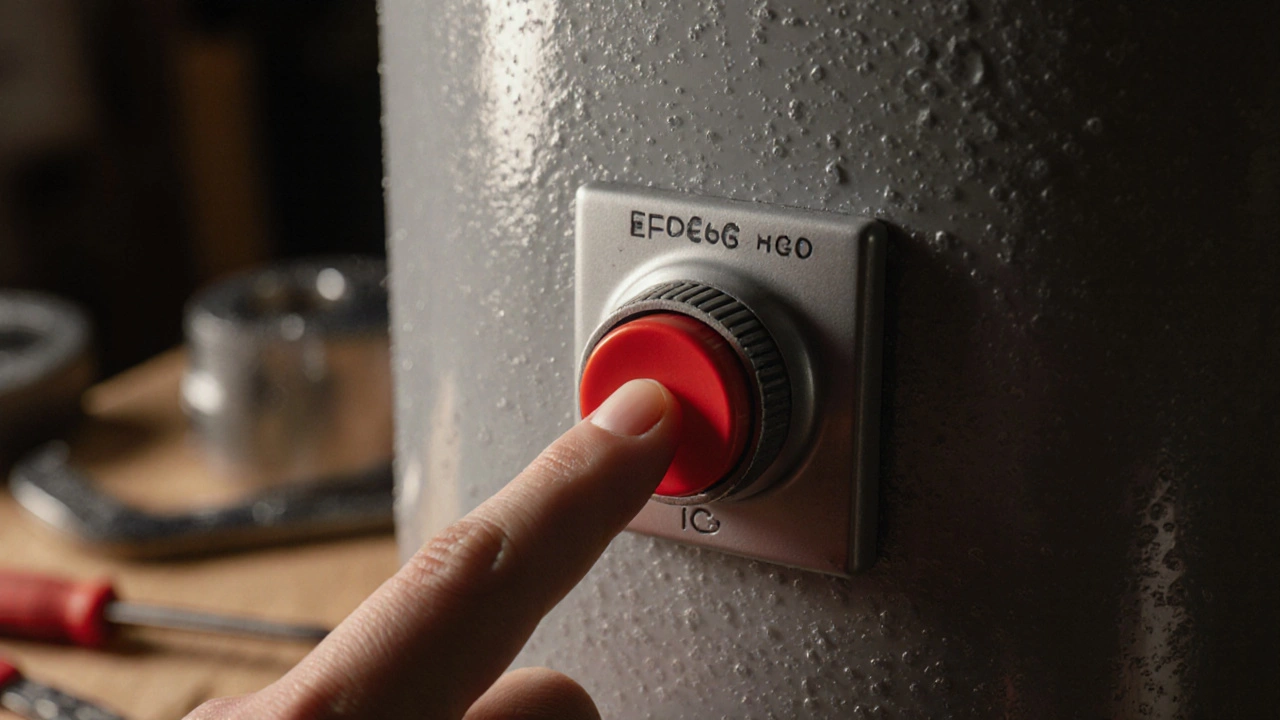
Learn how to properly reset your water heater's safety button - and why holding it down won't help. Find out what really causes it to trip and when to call a professional.
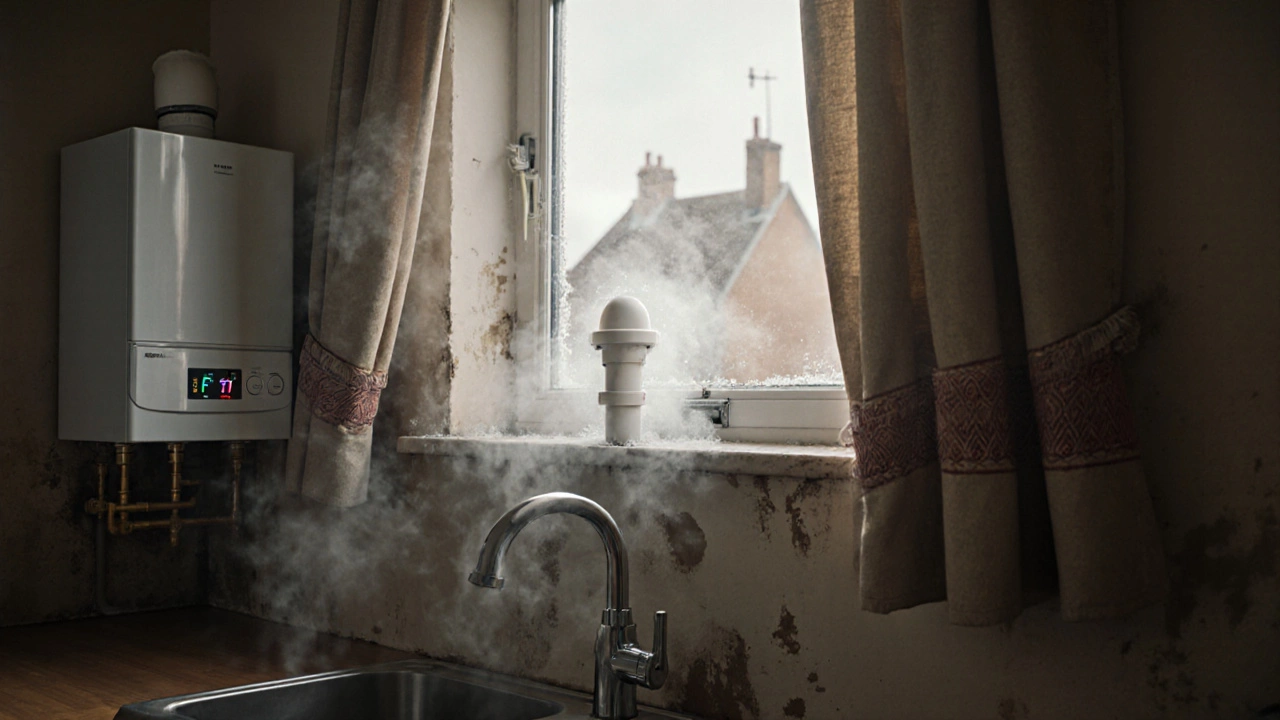
Your hot water stopped suddenly? This guide breaks down the top 7 causes - from low pressure to frozen pipes - and shows you how to fix them yourself before calling a plumber.
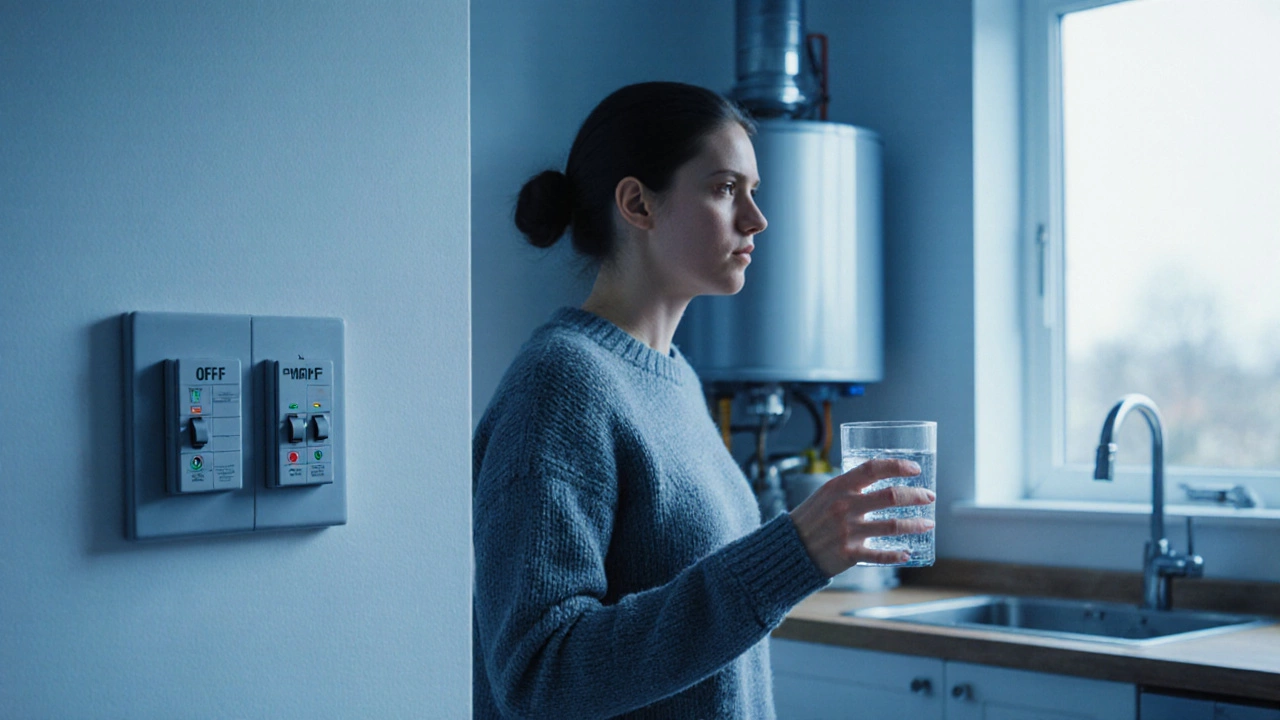
Learn fast DIY steps to diagnose and fix a non‑working water heater, plus safety tips, maintenance advice, and when to call a professional.

Is your hot water heater suddenly not working? Here’s what can go wrong, how to spot the problem fast, and pro tips to get hot water back right away.
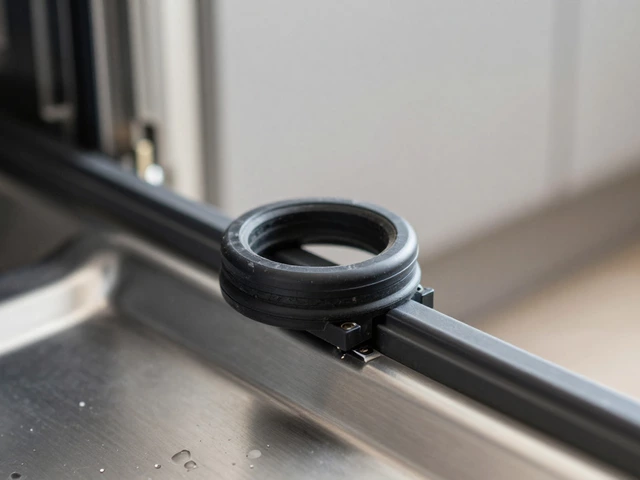
Discover what usually fails on a dishwasher, from door seals to drain pumps. Learn how to diagnose common issues, estimate repair costs, and decide when to fix or replace your appliance.

Wondering if you can still use your oven with a broken heating element? This article breaks down what actually happens when the heating element fails and what your options are. Learn about safety concerns, possible workarounds, and when it’s smarter just to fix it instead of limping along. Get tips on recognizing a bad element and ideas for a cheap, fast repair. Find out what really works and what won’t, straight from someone who’s fixed more than a few ovens themselves.
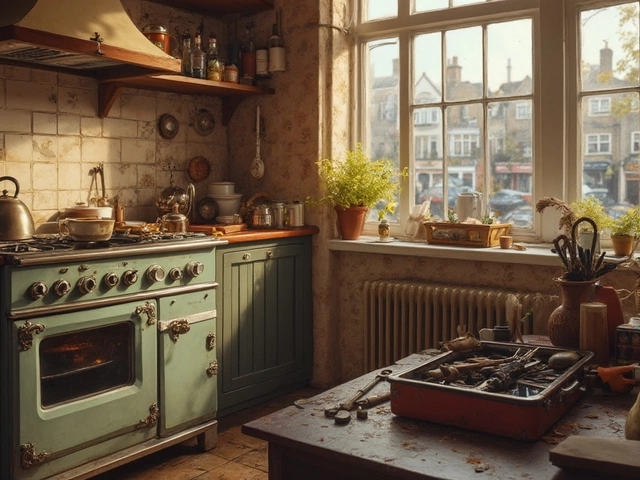
Deciding whether to repair an electric oven after five years can be tricky, especially with advancing technology and evolving household needs. This article explores the practical aspects of oven repair, including cost-benefit analyses, common issues, and DIY tips to help inform your decision. By understanding key factors like repair costs versus replacement options, you can make an informed choice. Learn how to assess the condition of your oven and get tips on when professional help might be needed.
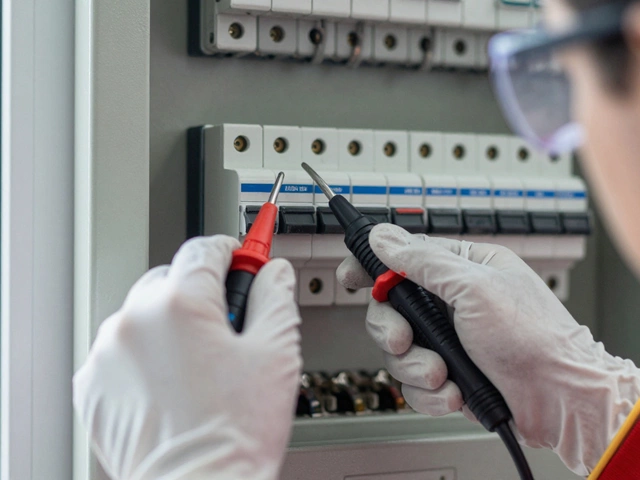
Learn how to safely clean your extractor fan motor to improve airflow, reduce odors, and prevent costly repairs. This guide covers safety steps, tools needed, and step-by-step instructions for a thorough clean.
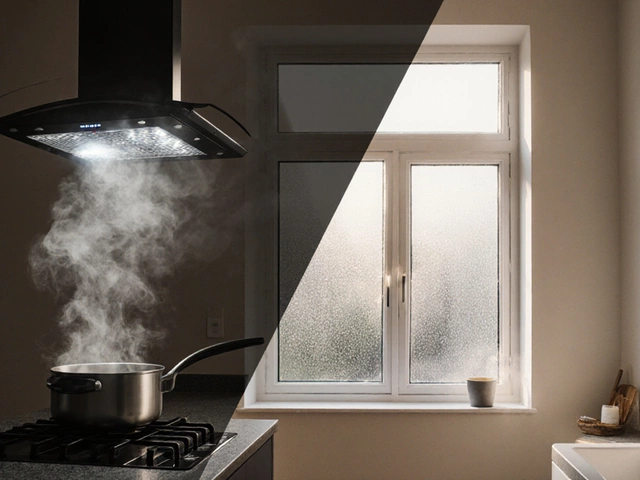
Explore whether you can live without an extractor fan, covering UK regulations, health risks, passive ventilation tricks, dehumidifier use, and when a mechanical fan becomes essential.