

If you’ve ever stood under a cold shower because the water heater took ages to work again, you know how frustrating it can be. The good news is you don’t always need to wait days for a pro. Most delays come from a few common roadblocks that you can spot yourself. Knowing what slows the repair down lets you cut the wait and get warm water sooner.
First, the thermostat or reset button is a frequent culprit. When the heater keeps tripping, it usually means an overheating sensor is telling the unit to shut down. Many homeowners ignore this reset, thinking the problem will fix itself, and end up calling a technician only after hours of cold water.
Second, sediment build‑up inside the tank can cause the heating element to work harder, overheat, and shut off. If the tank hasn’t been flushed in a while, the technician will need extra time to drain and clean it, adding to the overall fix time.
Third, parts availability matters. Some older models use parts that are no longer stocked locally, so a plumber may have to order a replacement, which can add a day or two. Knowing whether your heater is a common brand can help you plan ahead.
Before you dial a repair service, try these three easy checks:
1. Reset the unit. Locate the reset button—usually a red button near the thermostat. Press it once and wait a few minutes. If hot water returns, the issue was a temporary overload.
2. Flush the tank. Turn off the power or gas, attach a garden hose to the drain valve, and let the water run until it’s clear. This clears sediment and can prevent the heater from shutting down during the repair.
3. Check the pilot light or ignition. For gas heaters, a flickering or out pilot means the unit won’t heat. Relighting it (follow the manufacturer’s guide) can instantly restore hot water.
If these steps don’t work, call a qualified technician. When you do, mention that you’ve already tried a reset and a flush. That lets the pro focus on the real problem—like a failing heating element or a corroded dip tube—without spending time on basics.
Also, keep a record of your heater’s age. Most units last 8‑12 years; if yours is older, you might be looking at a replacement rather than a quick fix. Knowing the expected lifespan helps you decide whether to invest in a repair or upgrade to a more efficient model.
Finally, schedule regular maintenance. A yearly check‑up, including a thermostat test and a tank flush, keeps the heater in top shape and reduces surprise breakdowns. It’s a small time investment that pays off with fewer emergency calls.
Bottom line: Most water heater fix times stretch because of preventable issues—resetting, sediment, and old parts. By handling the quick checks yourself, you shave off hours or even days from the repair timeline. When you do need a pro, a short prep list lets them get to work faster, so you’re back to warm showers sooner.

Ever got frustrated with cold showers while waiting for your hot water heater to get fixed? This article breaks down how long it really takes to repair different types of water heaters, from common issues you can fix yourself to problems that call for a pro. You'll learn what affects the repair timeline, plus some quick tips to speed things up. No more second-guessing if you’ll be stuck with icy water all day. Get the facts so you can plan around your next repair.
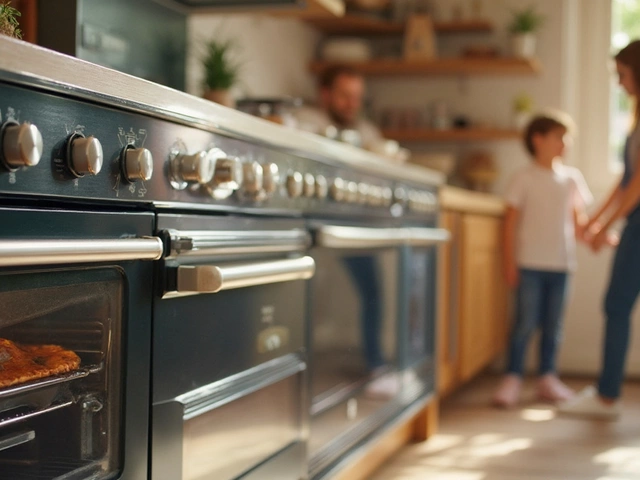
If you’re shopping for a new electric oven or worried about breakdowns, brand reliability matters big time. This article looks at which appliance brands have the fewest reported repairs, backed by recent repair data and real user experiences. You’ll see how different brands compare, which models tend to last, and when it makes sense to spend a little more upfront. Plus, you’ll pick up tips to keep your oven running smoothly, no matter which badge it wears. Everything’s packed in with real talk—no fluff to wade through.
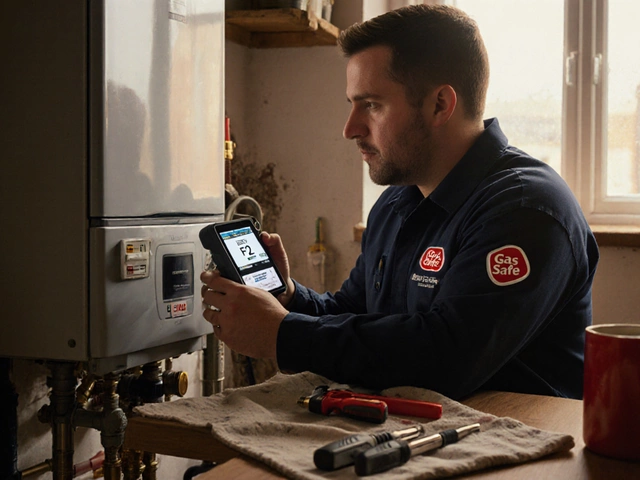
Not all plumbers can fix boilers-only Gas Safe registered engineers can legally work on gas systems. Learn when to call a plumber vs. a heating engineer, how to verify qualifications, and what to expect from a boiler service.

Discover how long extractor fans last, what shortens their life, and tips to maximize their lifespan in your kitchen or bathroom. Practical, clear advice from real experience.

Cracked or damaged glass hobs make you panic, but not every problem spells doom for your stove. This article breaks down what issues can actually be fixed and when it's smarter to replace the glass. You’ll get real-life tips, possible repair options, and clear warnings for common mistakes. Safety comes first, but you’ll also find out when you can handle things yourself—or absolutely need a pro. Practical info, simple steps—you’ll get the full story on glass hob repair.
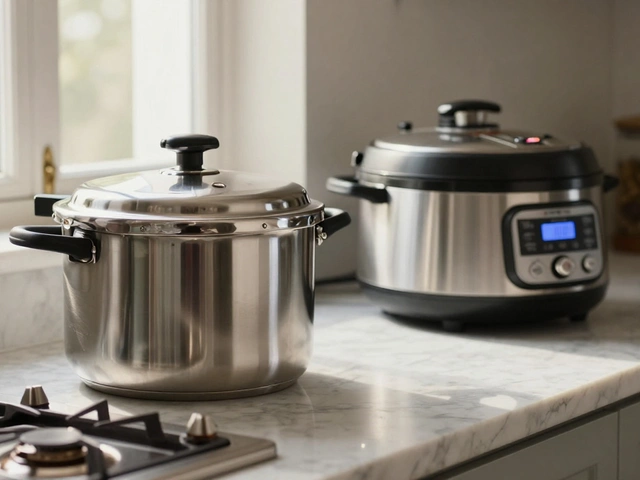
Discover how long pressure cookers last, comparing stovetop vs electric models. Learn signs of wear, repair options, and maintenance tips to extend lifespan safely.