

If your boiler starts acting up, it’s not just an inconvenience – it can turn into a big safety and money problem. The good news is you can catch most issues early by watching for a few tell‑tale signs. Below we’ll walk through the most common warnings, explain what they usually mean, and give you a clear plan of action.
Strange noises. If you hear banging, whistling, or rattling, the heat exchanger or pump could be building up pressure or air pockets. Ignoring these sounds often leads to cracked parts and expensive repairs.
Cold water coming out of radiators. When the radiators stay chilly even though the thermostat is set high, it could be low water pressure, a blocked valve, or a failing thermostat. Checking the pressure gauge on the boiler (usually 1-1.5 bar) is a quick first step.
Leaks. Any water pooling around the boiler, pipework, or on the floor is a red flag. Leaks often point to a corroded pipe, a cracked heat exchanger, or a loose connection. Even a small drip can cause rust and bigger failures if left unchecked.
Yellow or flickering flames. Gas boilers should have a steady blue flame. Yellow or sputtering flames mean the gas isn’t burning cleanly, which can produce carbon monoxide – a serious health risk.
Unusual smells. A burnt or metallic odor suggests overheating or electrical problems. A sweet, rotten‑egg smell signals a possible gas leak. Both need immediate professional attention.
First, turn off the boiler if you see any of the high‑risk signs – especially leaks, strange smells, or yellow flames. Safety comes first. Next, check the simple things you can do yourself: verify the pressure gauge, bleed any radiators that feel cold, and make sure the thermostat is set correctly. Most boilers have a reset button; a quick press can clear a minor fault, but if the issue returns, it’s a sign you need a tech.
If the problem persists, call a Gas Safe registered engineer. They can run a thorough inspection, test for carbon monoxide, and fix internal faults you can’t see. While waiting for the professional, keep the heating off to prevent further damage. Use portable heaters if you need warmth, but never try to patch a leak with tape or adhesives – those are temporary at best and can make the problem worse.
Regular maintenance is the best defense. Scheduling an annual service keeps the boiler clean, checks the safety valve, and catches early wear before it turns into a breakdown. Most services include a pressure check, combustion analysis, and a quick visual inspection of all components.
Remember, a well‑maintained boiler not only saves you money but also keeps your home safe from gas leaks and carbon monoxide. When you hear that bang, see that drip, or smell that odd odor, treat it as a warning, not just a nuisance.
By staying alert to these warning signs and acting quickly, you’ll enjoy reliable heat all winter long and avoid the stress of a sudden boiler failure.
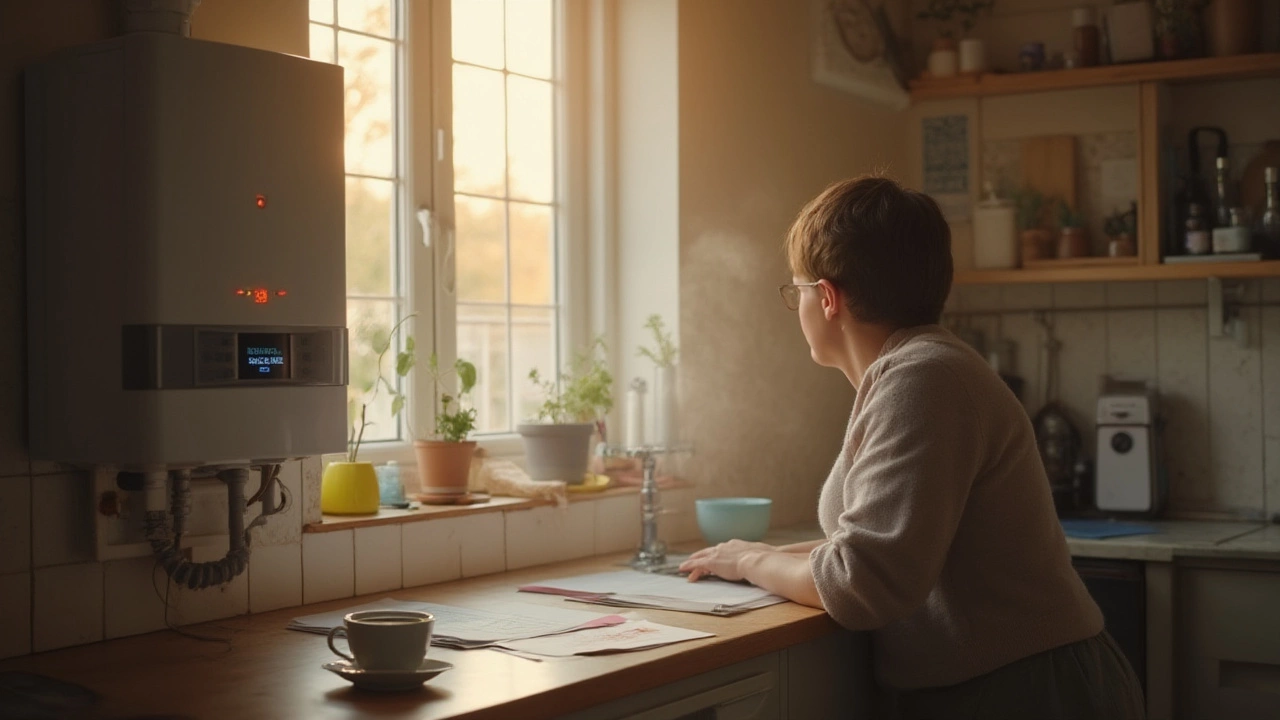
Discover when to worry about your boiler, warning signs to watch, and smart tips for safe use. Get practical advice to avoid major boiler headaches.

When your dishwasher starts acting up, a quick, accurate diagnosis can save you from bigger headaches and pricey repairs. This article walks through simple methods to spot dishwasher problems, from weird noises to stubborn leaks. You'll learn what to check first, how to tell if it's a DIY fix, and when it's time to call in a pro. Handy tips and real-life examples make this guide easy to follow, even if you're not a born handyman. Don't let a small hiccup become a kitchen disaster — know what to look for and act fast.
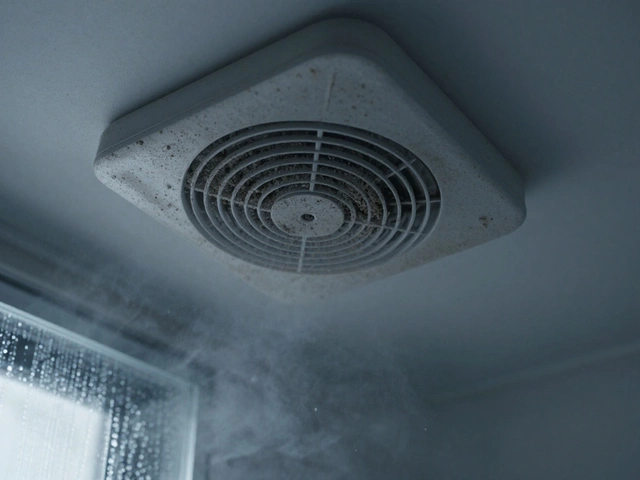
Learn how to service a bathroom extractor fan with this step-by-step guide. Discover essential tools, safety tips, and cleaning techniques to restore airflow and prevent mold.

Wondering how long it takes to swap out an old boiler for a new one? This article spells out exactly how much time you’ll need, what really affects the timeline, and offers practical tips to speed things up. Get the full breakdown, including what you can do before installation day and how to avoid surprises. If you want your heat and hot water back fast, this guide is for you. Find out what to expect from your boiler replacement and how to stay one step ahead.
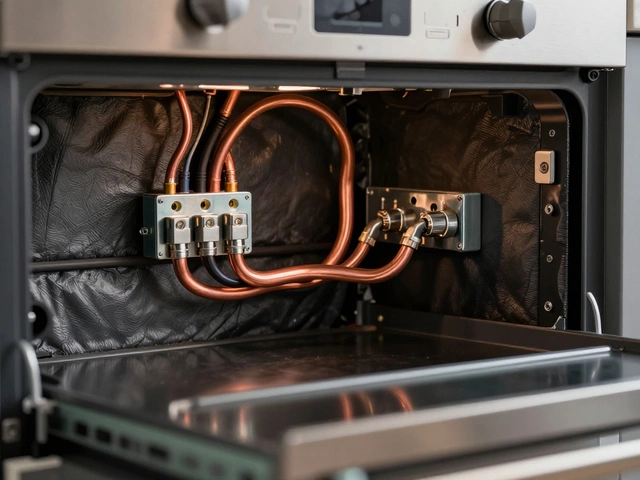
Discover whether you can replace an electric oven yourself or need to hire a professional. Learn about voltage requirements, safety risks, and legal building codes for appliance installation.
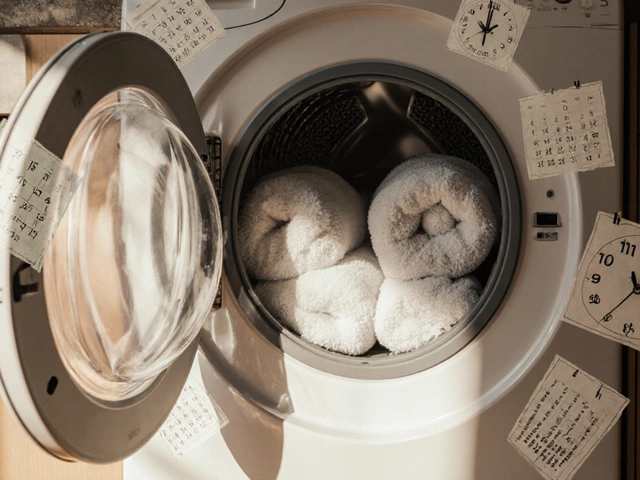
Learn how long vented, condenser and heat‑pump tumble dryers typically last, what factors affect their lifespan, and how regular maintenance can add years.