

If your kitchen or bathroom feels stuffy, the ventilation fan is probably the culprit. A sluggish or noisy fan not only smells bad, it can lead to mould and higher energy bills. The good news? Most fan problems are easy to sort yourself, and you don’t always need a pro.
First, check the basics. Turn the fan on and listen – a humming sound usually means the motor is working, but dust on the blades can block airflow. Open the cover (you’ll typically need a screwdriver) and give the blades a good clean with a soft brush. While you’re there, wipe the motor housing and remove any cobwebs. A clean fan often regains full power.
If the fan still struggles, the problem might be the capacitor. This small part helps the motor start; a faulty capacitor lets the fan whirr weakly or not at all. Swapping it out costs under £10 and takes only a few minutes. Just note the voltage rating on the old capacitor and match it when buying a replacement.
Another frequent snag is a loose wiring connection. Shut off power at the breaker, then pull the fan away from the wall. Inspect the wires – any loose screws or burnt spots need tightening or replacement. Secure connections restore proper voltage and stop the fan from cutting out.
Sometimes repair isn’t enough. If the fan rattles loudly, smells burnt, or runs for years without a noticeable improvement after cleaning, it’s time for a new unit. Most residential fans last 8‑12 years, so if yours is older, factor in the cost of a fresh, energy‑efficient model.
Choosing a replacement is simple. Look for a fan with the same airflow rating (measured in CFM) and size of the existing duct. Higher CFM models move more air but may be louder, so balance performance with noise level. Installing a new fan usually involves disconnecting the old unit, attaching the new one to the duct, and wiring it up – all doable in under an hour.
Even after installation, keep the fan in top shape. Schedule a quick clean every six months, check the motor housing for dust, and replace the filter (if your model has one) annually. Regular upkeep prevents most breakdowns and extends the fan’s life.
Got a stubborn problem you can’t crack? Give a qualified electrician a call. They have the tools and safety knowledge for motor repairs, wiring issues, or any work that involves the main power supply.
So, next time the air feels stale, remember: a clean blade, a good capacitor, and tight wires solve most fan woes. Keep these tips handy, and your home will stay fresh without spending a fortune on service calls.

Trying to figure out if you need a ventilation fan or an extractor fan? This article breaks down the differences between the two, explains how each one works, and shares tips for choosing and maintaining the right fan for your home. You’ll also pick up advice on recognizing issues, making easy repairs, and knowing when it's time to replace. If you’ve got problems with humidity, bad smells, or stuffy air, this guide is for you.

Discover who legally fixes boilers in the UK. Learn why you need a Gas Safe registered engineer, not just a plumber, and understand the qualifications, costs, and safety checks involved in boiler repair.

Find out if your food is safe after a freezer breakdown. Learn how long food stays cold, what to keep vs. toss, and essential steps to prevent waste and illness.

Discover what makes some refrigerator repairs more costly than others. From compressor issues to electronic faults, fixing these problems can hit your wallet hard. We'll uncover why some are pricier than others and offer tips on how to avoid them. Learn about preventive measures to save you money in the long run. This guide is a must-read for every fridge owner looking to keep repair costs at bay.

Thinking of tackling an extractor fan installation on your own? Doing it yourself can be a rewarding project if you have the right tools and know-how. This guide breaks down the process into manageable steps, explains what to watch out for, and offers practical tips to avoid common pitfalls. You'll learn when it makes sense to go DIY and when you might need to call in a pro.
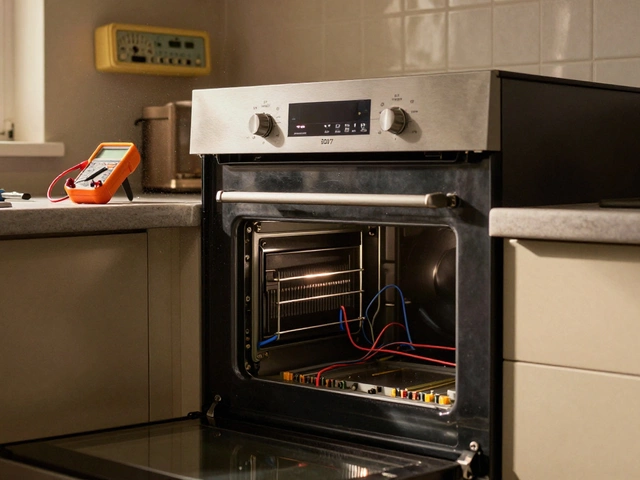
Is replacing your oven control board worth it? Learn the real costs, when to repair vs replace, and what most UK homeowners get wrong. Save money and avoid costly mistakes.