

When your kitchen extractor fan starts sounding weak, smells foul, or just won’t spin, it’s usually a blockage. Most homeowners can clear it in under an hour with a few basic tools. Below is a practical, no‑nonsense guide to get that fan humming again.
Cooking grease, food scraps, and even dust can build up on the fan blades and in the ductwork. Over time the layer gets thick enough to stop airflow. You’ll notice slower extraction, louder noise, or a musty smell. Before you start, turn off the fan and unplug it (or switch off the circuit) to avoid any surprise starts.
1. Gather your tools. You’ll need a screwdriver, a soft brush or old toothbrush, a vacuum with a hose attachment, a damp cloth, and a ladder or sturdy step stool if the fan is high.
2. Remove the fan cover. Most extractor fans have a snap‑on or screw‑on cover. Unscrew or pop it off and set it aside.
3. Clean the blades. Brush away visible grease with the toothbrush. For stubborn gunk, dip the brush in warm, soapy water, scrub, then wipe clean with a damp cloth.
4. Check the vent duct. Pull the duct away from the fan (it usually slides off). Look inside for lint or debris. Use the vacuum hose to suck out anything you see. If the duct is long, you can gently shake it to dislodge hidden buildup.
5. Clean the grill and surrounding area. The grill can trap crumbs and oil splatters. Wash it in warm soapy water, rinse, and dry completely before re‑installing.
6. Re‑assemble and test. Put the duct back, reattach the cover, and switch the power on. Run the fan for a minute and listen – it should be smoother and quieter.
If the fan still struggles, the motor may be stuck with grease inside. In that case, a light oil spray (machine‑type oil) on the motor shaft can help, but only if you’re comfortable doing it. Otherwise, call a pro.
Regular maintenance prevents future blockages. Wipe the fan cover once a month, and run the fan on high for a few minutes after heavy cooking to clear out steam.
Got a stubborn smell? Sprinkle a little baking soda on the fan blades, let it sit for 15 minutes, then wipe away. It neutralises odours and adds a fresh feel.
Unblocking your kitchen extractor fan doesn’t have to be a nightmare. With these simple steps you’ll keep the air moving, the kitchen smelling clean, and avoid costly service calls.

Struggling with a kitchen extractor fan that's lost its power? This guide explains how to find and fix common blockages that cause bad smells and poor airflow. Learn step-by-step how to safely clean your fan and make it work like new, plus get handy maintenance tips to stop future clogs. We break down the process so you don't need tools or special skills. Get your kitchen back to normal without calling in an expert.

Keeping your home well-ventilated is essential, and extractor fans play a crucial role in maintaining air quality. Whether you're installing a new fan or repairing an old one, it's important to know who to call. Professional electricians and specialized ventilation technicians are the go-to experts. They ensure fans are properly installed and functioning efficiently, saving you from potential hassles down the road.

Discover if electric hobs can be fixed, cost breakdowns, DIY steps, safety tips, and when to replace. A practical guide for UK homeowners.

Stuck between fixing or swapping your boiler? Discover the real facts, costs, tips, and how to make the right call for your property, budget, and comfort.

Struggling with a kitchen extractor fan that's lost its power? This guide explains how to find and fix common blockages that cause bad smells and poor airflow. Learn step-by-step how to safely clean your fan and make it work like new, plus get handy maintenance tips to stop future clogs. We break down the process so you don't need tools or special skills. Get your kitchen back to normal without calling in an expert.
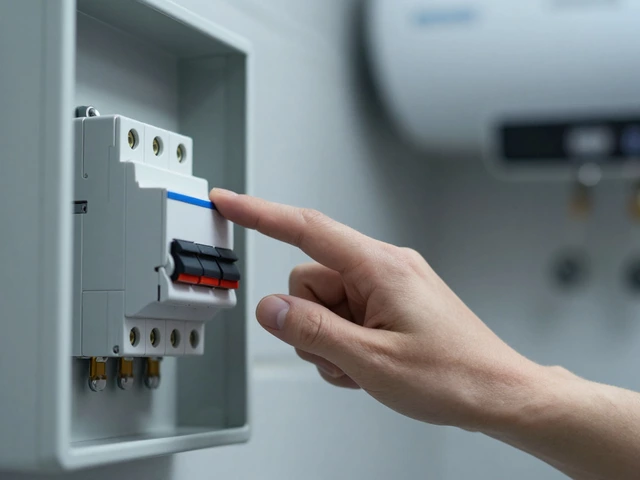
Struggling with a broken hot water heater? Learn how to troubleshoot common issues like tripped breakers, thermostat faults, and leaks before calling an expensive repair service.