

If you own a washing machine, oven, fridge or heat pump, you’ve probably faced a hiccup at some point. The good news is most problems can be solved without a huge bill or a trip to the shop. Below you’ll find straight‑forward advice you can act on right now, plus a quick guide to picking the right appliance for your home.
Start by checking the power supply. A loose plug or tripped breaker is the cause of many “won’t turn on” calls. If the appliance powers up but doesn’t work correctly, listen for unusual noises. A squealing washing machine often means a worn belt, while a humming fridge could point to a failing condenser fan.
For electric ovens that won’t heat, the heating element is the usual suspect. Unplug the oven, remove the element and look for visible breaks or black spots. Replacing an element is a simple bolt‑off job; just note the wire connections before you detach them.
Dishwashers that stop mid‑cycle usually have a clogged filter. Pull out the bottom rack, rotate the filter cover and rinse it under warm water. A clean filter restores flow and prevents water‑lock errors.
Heat pumps that blow cold air often suffer from dirty filters or blocked outdoor units. Clean the indoor filter monthly and clear any debris from the outdoor coil. If the unit still struggles, it may need a low‑level refrigerant check – that’s a job for a qualified tech.
When a fridge’s light works but the interior stays warm, the problem is often the evaporator fan or a blocked condenser. Unplug, locate the fan near the back, and spin it by hand; if it sticks, replace it. Also, vacuum the condenser coils to improve cooling efficiency.
Think about how often you’ll use the appliance. A family of four needs a larger washer with a fast spin cycle, while a single person might be fine with a compact model that saves space and energy.
Check the energy rating. An A+++ fridge can cut electricity use by up to 50% compared with older models. The same principle applies to heat pumps – a unit with a high COP (coefficient of performance) will keep heating bills low.
Read reviews that focus on reliability, not just features. If a dishwasher brand has a high rate of broken pumps, you’ll likely spend more on repairs than on a cheaper, more reliable brand.
Don’t forget installation requirements. Some ovens need a dedicated circuit, and larger washing machines may need extra clearance for the door. Knowing these constraints up front avoids costly adjustments later.
Finally, factor in the expected lifespan. A well‑maintained fridge can last 12‑15 years, while a heat pump typically runs 15‑20 years with regular service. Matching the expected life to your home’s timeline helps you decide whether to buy new or keep a current unit running.
By doing a quick visual check, cleaning filters regularly, and picking appliances that fit your use‑pattern, you’ll keep your home running smoothly and avoid surprise breakdowns. If a problem feels beyond a simple fix, calling a local expert can save time and keep the warranty intact.

Curious about what counts as an appliance? Get concrete examples, clever tips, and practical facts about home appliances to make smart choices for your household.
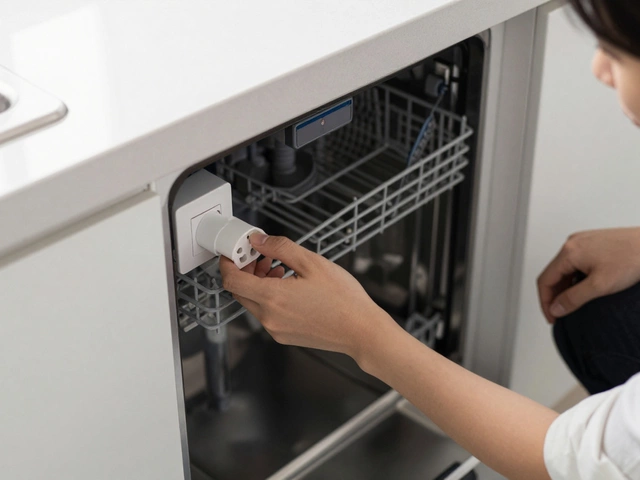
Learn how to reset your dishwasher using hard resets and brand-specific button codes. Quick fixes for Bosch, Samsung, Whirlpool, and more to clear error codes.
Is your washing machine considered old? Learn the real lifespan, signs it's aging, and pro tips to keep it running longer. Get real facts and advice from an expert.

Microwaves seem invincible until they suddenly stop working—usually right when you're hungry. This article tackles what actually breaks down most often in a microwave, from simple blown fuses to tricky magnetrons. You'll learn the telltale signs for each failure, why these things wear out, and how to figure out if it’s something you can fix yourself. Plus, there are practical tips on keeping your microwave running smoother for longer. Perfect for anyone tired of cold leftovers and expensive repair bills.
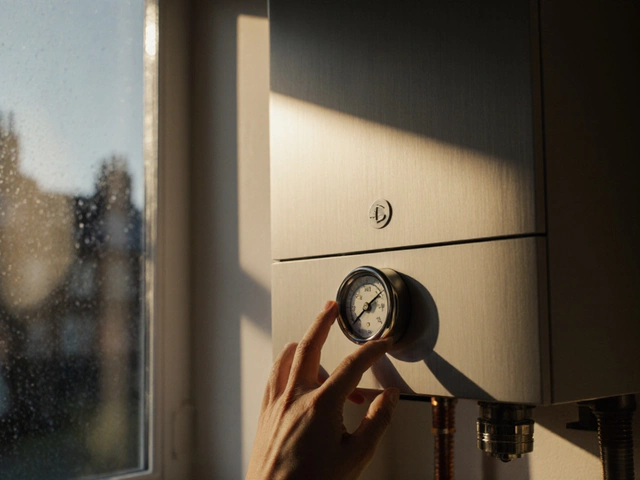
Step‑by‑step guide to diagnose common boiler problems, covering pressure, thermostat, fault codes, leaks, and when to call a professional.

Learn the warning signs of a failing water heater and get practical tips for repair and maintenance to prevent costly breakdowns and keep your hot water system running safely.