

When you're renting a home, your boiler, a central heating system that provides hot water and warmth. Also known as a gas furnace, it's one of the most important appliances in your home. But if you're a tenant, figuring out what you can do — and what you should leave to your landlord — can be confusing. The truth is, most boiler issues aren’t fixable by renters, and trying to fix them yourself could break your lease or even put you in danger. That’s why understanding your rights and responsibilities around tenant boiler maintenance matters more than you think.
Your landlord is legally required to keep the boiler working safely, but that doesn’t mean you sit back and wait for it to break. Regular checks — like making sure vents aren’t blocked, listening for strange noises, or checking for cold spots in radiators — can catch small problems before they become emergencies. If your boiler suddenly stops working, or you smell gas, don’t guess. Call a Gas Safe engineer, a certified professional legally allowed to work on gas systems in the UK. No plumber, handyman, or YouTube tutorial can legally replace a boiler or fix gas leaks. And if your landlord refuses to act, you have rights under UK law. The central heating system, the network of pipes, radiators, and controls that distribute heat from your boiler isn’t just a convenience — it’s a basic requirement for habitable housing.
Many tenants think boiler repairs are always expensive, but the real cost comes from ignoring early signs. A noisy boiler, inconsistent heat, or a pilot light that keeps going out aren’t normal. They’re warnings. And if your boiler is over 10 years old, it’s probably using more gas than it should, raising your bills and straining the system. You don’t need to pay for a new one — but you do need to make sure your landlord knows the problem exists. Keep a record: take photos, write down dates, and email your landlord every time something goes wrong. That paper trail protects you if things get worse.
Below, you’ll find real-world guides on what actually breaks in boilers, how to spot leaks before they flood your flat, who to call when it fails, and why replacing one costs so much. These aren’t theory pieces — they’re based on what repair technicians see day after day in homes across the UK. Whether you’re dealing with a broken thermostat, a faulty pressure valve, or just confused about your rights, the answers are here — no jargon, no fluff, just what works.

Who pays for boiler maintenance? Landlords must cover it for tenants. Homeowners pay for everything. Warranties don't cover servicing. Annual checks are legally required and save lives.

Electric ovens can sometimes act up and cause frustration in the kitchen. While not every issue requires a professional, understanding the basic components can save time and money. This guide explores the practicality, challenges, and tips for tackling common oven problems. Whether it's a heating issue or a broken door handle, knowing what to check is crucial. Get insights into the DIY approach to electric oven repair to keep your appliance running smoothly.
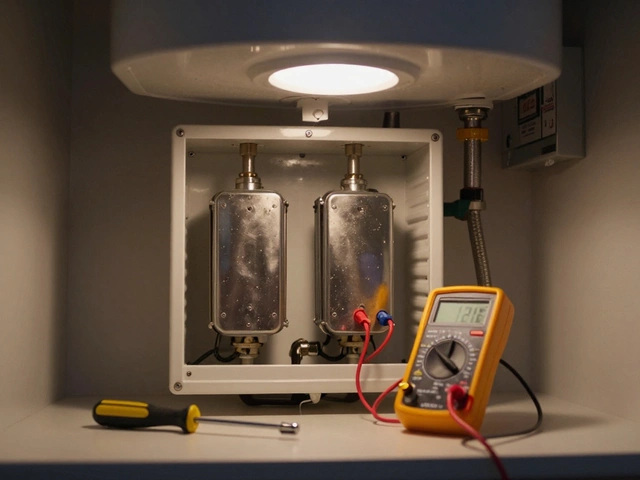
Fix a water heater producing cold water by checking the power, testing heating elements, adjusting the thermostat, flushing sediment, and replacing faulty parts like the dip tube or thermocouple. Most issues are simple DIY fixes.
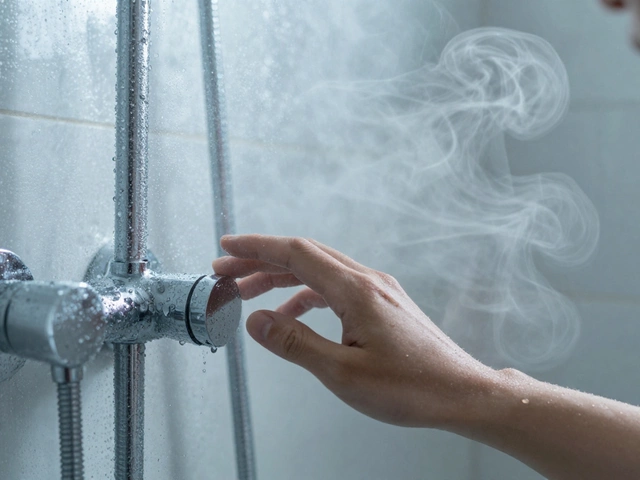
Learn how to diagnose a failing hot water heater thermostat with this expert guide. Spot the signs, use a multimeter for testing, and find out when to replace it.
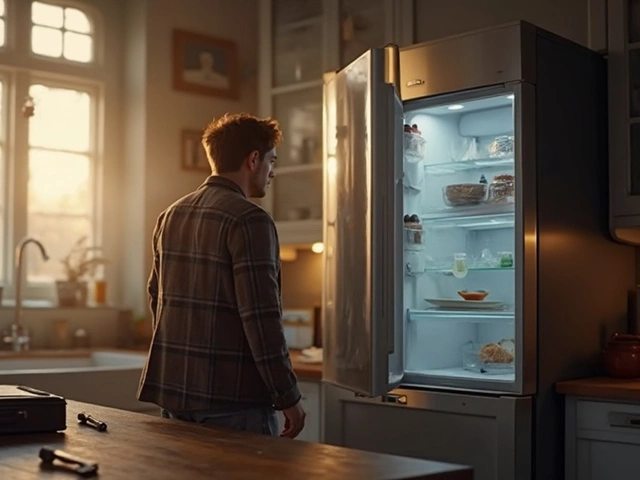
If your freezer isn't doing its one job—keeping things cold—you're in a pickle. But before you start shopping for a new one, there are a few things you might try to get it back to work. From checking the power source to cleaning coils, fixing cooling problems can often be simple and straightforward. Let's explore some potential solutions to get your freezer chilling again.
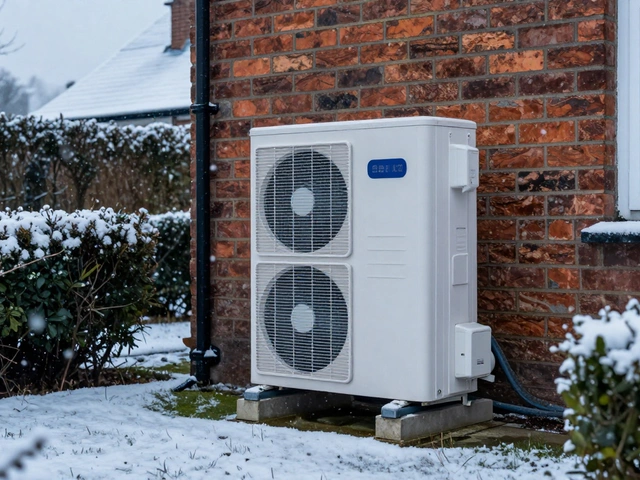
Discover real heat pump repair costs in the UK for 2026. Learn which faults are expensive, how maintenance saves money, and when to replace vs repair your system.