

Got a stove that won’t heat, flickers, or shows weird error codes? You’re not alone. Most kitchen burners and ovens develop the same few problems over time. The good news is you can often sort them out yourself without calling a pro.
First, write down exactly what’s happening. Is the whole stove cold or just one burner? Does the oven turn on but stay cool? Is there a buzzing sound or a tripped breaker? Knowing the exact symptom narrows the possible causes and saves you time.
For electric hobs, the most frequent complaint is a burner that won’t heat. This usually points to a failed heating element, a loose connection, or a broken control switch. For gas stoves, look for uneven flames or a smell of gas – those are safety alerts that need immediate professional attention.
1. Power supply: Verify the stove is plugged in and the outlet works. Test the outlet with a lamp or a multimeter. If the breaker has tripped, reset it and see if the stove powers up.
2. Reset the appliance: Some modern stoves have a reset button or a simple power‑cycle method – turn the stove off, unplug for a minute, then plug back in.
3. Check the knobs: On older models the knob may be loose or worn. Turn it to various positions to see if the heat changes. A stuck knob often means the underlying switch is faulty.
4. Inspect visible parts: Look for cracked glass, burnt spots, or debris on the burners. Clean any food residue with a soft cloth and mild detergent. A dirty burner can cause uneven heating.
Burner won’t heat: Remove the burner coil (usually a clip or screw). Test it with a multimeter – you should see continuity. If the coil reads open, replace it. Replacement coils are inexpensive and come with simple step‑by‑step guides.
Oven not heating: The oven’s heating element can fail just like a hob coil. Unscrew the element, pull it out, and test for continuity. If it’s dead, order the correct replacement part (note the make and model) and install it the reverse way you removed it.
Control panel issues: If the digital display flashes or the oven won’t start, the control board may be at fault. Try resetting the unit first; if the problem persists, a qualified technician should handle the board replacement.
If you smell gas, hear a hissing sound, or the stove shows signs of electrical burnout (charred wires, scorch marks), stop immediately and call a licensed electrician or gas engineer. Safety comes first – DIY is great for simple parts, but gas leaks and major electrical faults need a pro.
Also, if you’ve tried the above checks and the stove still won’t work, it could be an internal thermostat or a wiring issue hidden behind the panels. These problems require a professional’s tools and knowledge.
By following these steps, you can often pinpoint the issue and decide whether a quick part swap will do the trick or if you need expert help. Remember, a well‑maintained stove lasts longer and saves you money. Happy cooking!

Discover the workings of a hob, a crucial kitchen fixture that often gets overlooked until it malfunctions. Learn the common issues that can affect its performance and get handy tips on basic repairs and maintenance. Whether you're dealing with burner problems or electrical faults, this guide provides practical advice to keep your hob in top shape. Understand the typical lifespan of these appliances and how to extend it through regular care.
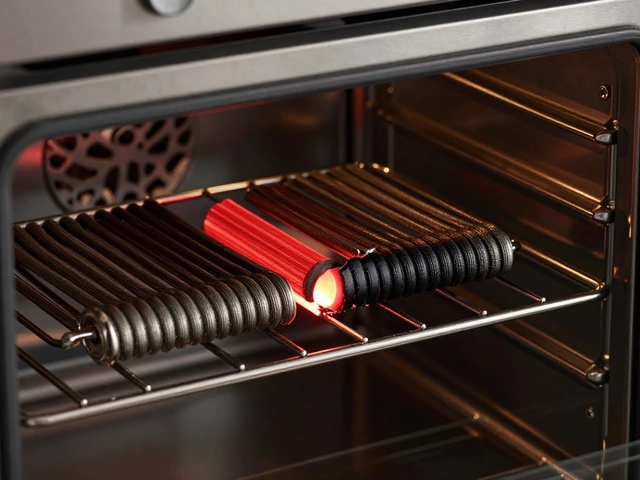
Replacing an oven element costs £80-£150 professionally or £15-£40 for DIY parts. Learn when to repair vs. replace, how to choose an engineer, and tips to extend your oven's life in our 2026 guide.
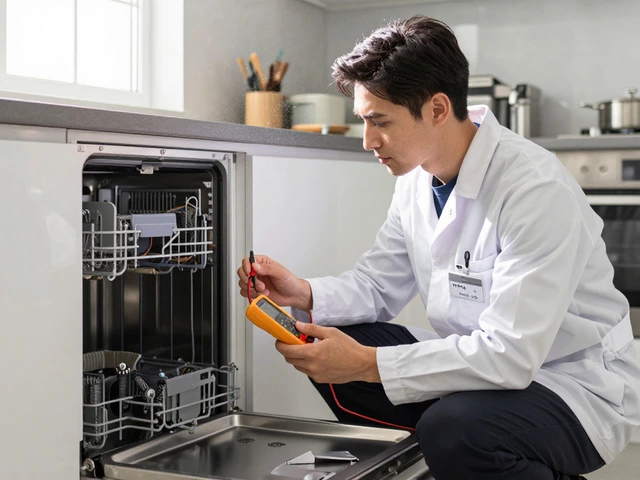
Discover what an appliance specialist really does. From complex diagnostics to safety compliance, learn why hiring a certified expert protects your home and wallet.
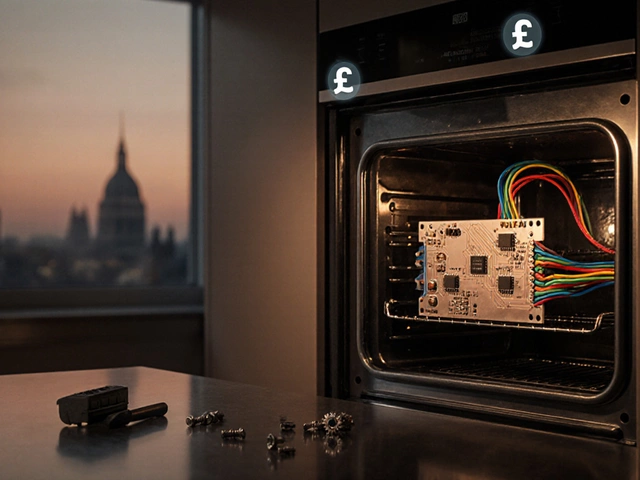
Learn the typical UK price for an oven control board, factors that affect cost, DIY steps, and when to call a professional in 2025.
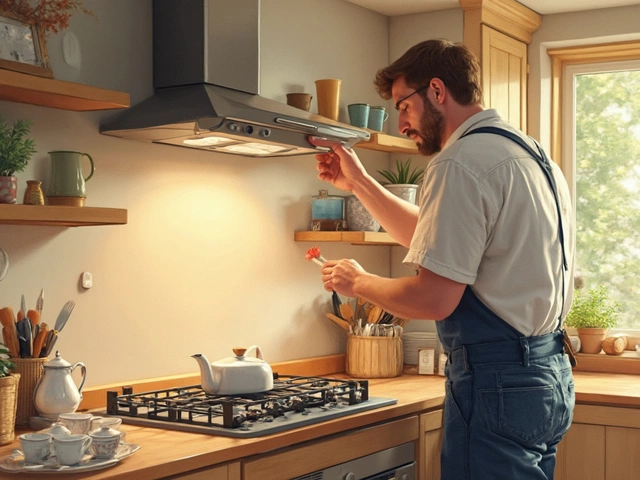
Keeping your home well-ventilated is essential, and extractor fans play a crucial role in maintaining air quality. Whether you're installing a new fan or repairing an old one, it's important to know who to call. Professional electricians and specialized ventilation technicians are the go-to experts. They ensure fans are properly installed and functioning efficiently, saving you from potential hassles down the road.
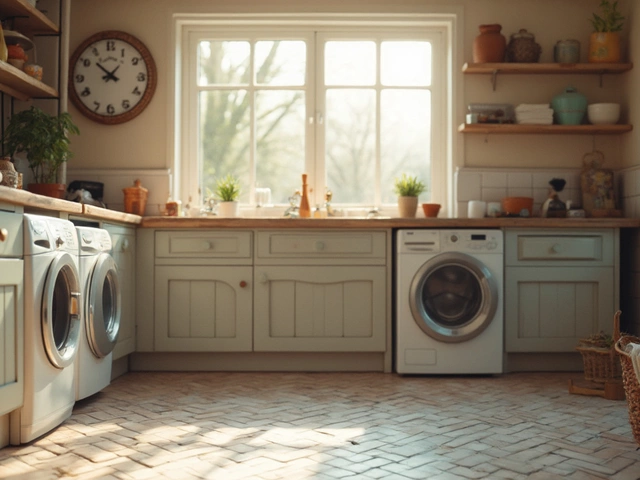
Wondering how long a washing machine should actually last? This article breaks down real averages, points out what causes washers to wear out, and shows simple ways to get more years out of your machine. We’ll look at red flags for replacement, compare old versus new models, and clear up some common myths about washers. If you want your next laundry day to go smoothly—or you’re tired of surprise breakdowns—this guide’s for you.