

Stoves are the workhorse of most kitchens, but most of us never ask how long they’ll stick around. Knowing the usual lifespan helps you plan repairs, budget for replacement, and keep meals cooking without surprise breakdowns.
A typical electric stove lasts between 13 and 15 years, while gas models often push to 15‑20 years. Those numbers aren’t set in stone – the exact life depends on how you use it, how well you maintain it, and the quality of the original build.
Heat cycles are the biggest culprits. Every time you turn a burner on, the element expands, then contracts when it cools. Over time that stress can cause cracks, loose connections, or burnt‑out coils. For gas burners, the igniter and valve seals are the parts that give up first.
Other factors include spills that aren’t cleaned promptly, rough handling of the glass top, and power surges that fry the control board. Even the ventilation in your kitchen plays a role – excess moisture or grease can corrode internal components.
1. Uneven heating. If one side of a burner stays cooler, the element might be failing.
2. Clicks that never spark. A weak or dead igniter is a sign the gas side is on its way out.
3. Control panel glitches. Unresponsive knobs or flickering displays often point to a bad control board.
4. Visible damage. Cracks in the glass top or rust on the frame are red flags.
Spotting these early lets you fix the problem before the whole stove quits.
Keep the surface clean. Wipe up spills as soon as the stove cools – sugar, oil, and salt can eat into the glass or metal.
Use the right cookware. Heavy cast iron can scratch glass tops, while warped pans cause uneven heat distribution that stresses elements.
Don’t overload burners. Running multiple high‑heat pots on one element forces it to work harder and shortens its lifespan.
Schedule a yearly check‑up with a qualified technician. A quick inspection of the wiring, igniter, and burner seals can catch wear before it becomes a costly failure.
Consider a surge protector for your kitchen appliances. It’s an inexpensive way to shield the stove’s electronics from voltage spikes.
Finally, give the appliance a break. If you’re not using a burner, turn it off completely rather than leaving it on low for hours.
If a single element or igniter fails, repair is usually cheap – often under £100. However, if more than two major components need replacement, the cost can climb quickly. Compare the repair quote to the price of a new stove. When repair costs exceed 50% of a new unit, replacement makes more sense.
Also weigh energy efficiency. Modern stoves use less power and heat more evenly, which can lower your bills. A new, efficient model might pay for itself in a few years.Bottom line: regular care, quick spotting of issues, and timely professional checks can push a stove well past the average 15‑year mark. Keep an eye on the signs, act fast, and you’ll get many more years of reliable cooking.

Electric stoves are a staple in many kitchens, but how long can you expect them to last? This article delves into the average lifespan of an electric stove and what factors can influence its longevity. Discover maintenance tips that can help extend its life and recognize signs when repairs or replacements might be necessary. This guide aims to empower you with insights into prolonging the efficiency of your kitchen's electric stove.

Curious if you can fix your dishwasher without calling a pro? This article breaks down the most common dishwasher problems and explains which repairs you can actually do yourself. We’ll cover how complicated these appliances really are, how to figure out what’s wrong, the tools you’ll need, and which jobs might leave you better off calling an expert. Get practical tips, interesting facts, and a clear picture of what you’re actually signing up for before grabbing that toolbox.
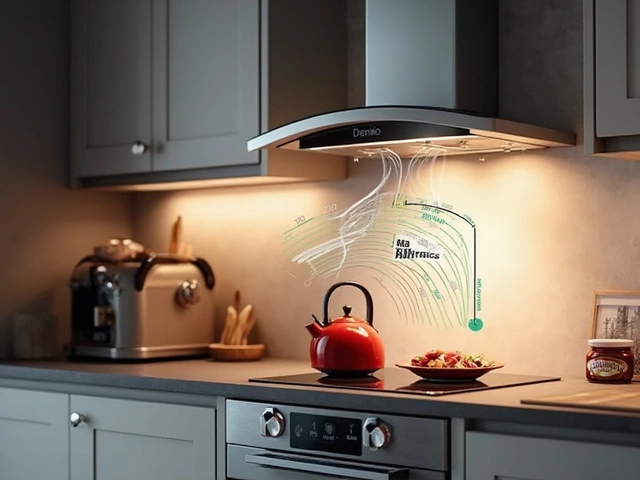
Choosing the right extractor fan can be a tricky task with so many options on the market. This guide breaks down key factors like fan types, sizes, noise levels, and energy efficiency to help you make an informed decision. We dive into tips on proper sizing and essential features to look for. Find maintenance tips and tricks to keep your fan running smoothly. Equip yourself with the knowledge you need to ensure a wise investment.

Repairing an aging laptop can be a tricky decision. This article explores whether it's still worth investing in a 7-year-old device. We'll consider factors like performance, cost, potential upgrades, and environmental impact. Dive in to learn about the practical and sentimental value of maintaining your trusty laptop.
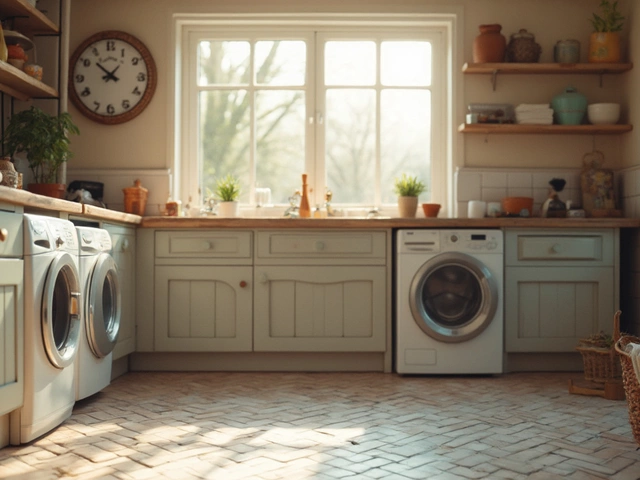
Wondering how long a washing machine should actually last? This article breaks down real averages, points out what causes washers to wear out, and shows simple ways to get more years out of your machine. We’ll look at red flags for replacement, compare old versus new models, and clear up some common myths about washers. If you want your next laundry day to go smoothly—or you’re tired of surprise breakdowns—this guide’s for you.
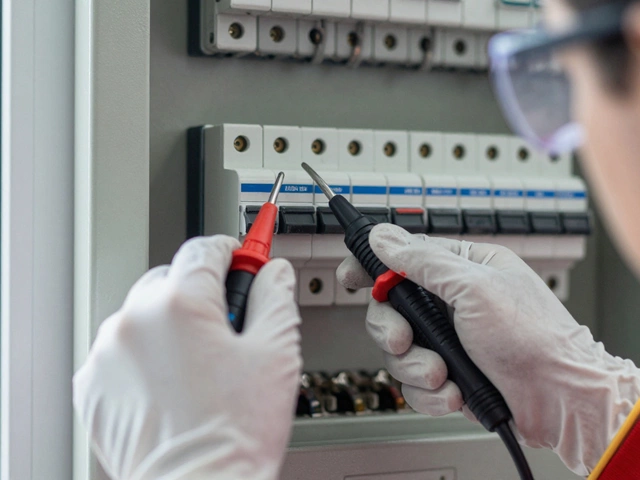
Learn how to safely clean your extractor fan motor to improve airflow, reduce odors, and prevent costly repairs. This guide covers safety steps, tools needed, and step-by-step instructions for a thorough clean.