

Finding a puddle on the floor is never fun. Whether it’s behind the fridge, under the washing machine, or in the kitchen sink, standing water can damage floors, rust metal, and turn a small issue into a big repair bill. The good news is most of the time you can stop it yourself with a few easy steps. Below we cover the most common places you’ll see water collect, what to check first, and when it’s time to call Bognor Regis Appliance Repair Experts.
Washing machine: A leak can come from the hose, the door seal, or the pump. If you see water around the base after a cycle, pull the machine away from the wall and inspect the hoses for cracks. Tighten any loose clamps and look for mildew on the door seal – a soft seal often means it needs replacing.
Dishwasher: Water at the bottom of the dishwasher usually means the filter is clogged or the spray arm is blocked. Remove the bottom rack, pull out the filter, clean it with warm soapy water, and spin the spray arm to clear debris.
Refrigerator: A fridge that’s not cooling can leak water from the defrost drain. Check the drain pan underneath; if it’s full, empty it and clean the drain tube with a pipe‑cleaner brush.
Boiler or water heater: Small drips around the base often point to a loose pressure valve or a corroded pipe. Turn off the power or gas, close the water inlet, and tighten the valve. If the pipe looks rusted, replace it before the leak gets worse.
1. Turn off the water at the main supply if you can’t easily locate the source. This stops more water from adding to the mess.
2. Unplug the appliance before you start pulling parts apart. Safety first.
3. Dry the area with towels or a mop. Removing the standing water helps you see the exact spot where it’s coming from.
4. Inspect hoses and connections. Look for wear, cracks, or loose fittings. Replace any damaged hoses – they’re cheap and a new one prevents future leaks.
5. Check seals and gaskets. A worn seal is a common cause for washing machines, dishwashers, and fridges. If the seal feels soft or has tears, swap it out.
6. Clean filters and drains. Blocked filters cause water to back up and spill. Regularly cleaning them stops the problem before it starts.
7. Run a test cycle. After you re‑assemble, run a short wash or heat cycle to confirm the leak is gone.
If any of these steps feel beyond your comfort zone, or the water keeps returning, it’s a clear sign that a professional should take over.
Standing water isn’t just a mess – it can cause mold, slip hazards, and expensive damage to your home’s structure. Acting fast and following the simple checklist above will save you time and money. When you need a trained technician, Bognor Regis Appliance Repair Experts are ready to diagnose the issue, fix it right, and get your appliances back to working like new.
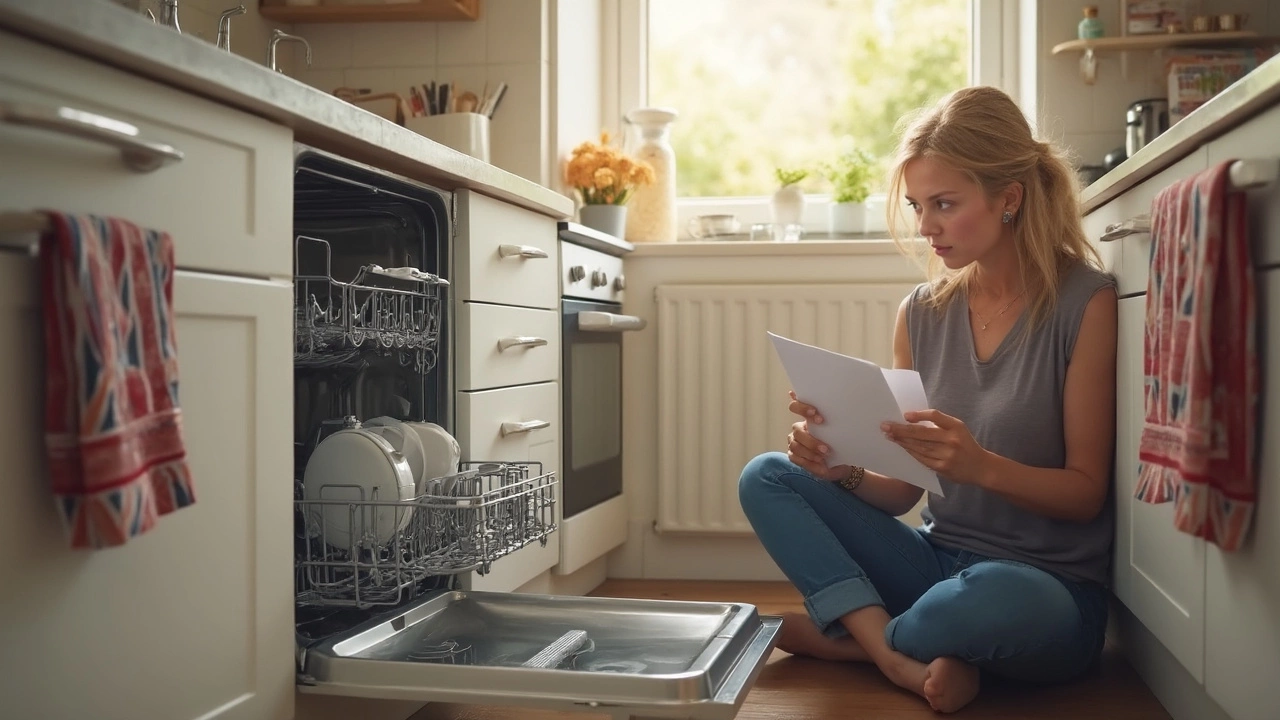
Annoyed by standing water at the bottom of your dishwasher? This article breaks down why your dishwasher isn't draining, what can cause it, and how to troubleshoot the most common issues. Learn about clogged filters, garbage disposal connections, and more. I'll also share some handy tips to help you prevent problems in the future. Whether you're a first-timer or have dealt with dishwasher headaches before, you’ll find practical advice here.
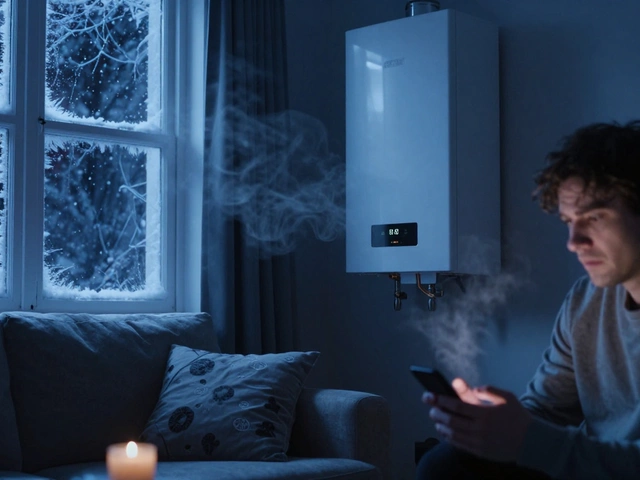
Discover who legally fixes boilers in the UK. Learn why you need a Gas Safe registered engineer, not just a plumber, and understand the qualifications, costs, and safety checks involved in boiler repair.
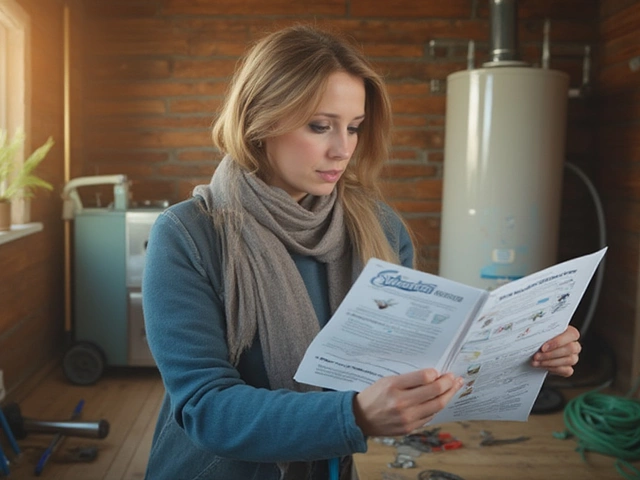
Wondering if you can flush your water heater yourself? Learn the step-by-step process, tools you'll need, and expert tips to extend your water heater's life.
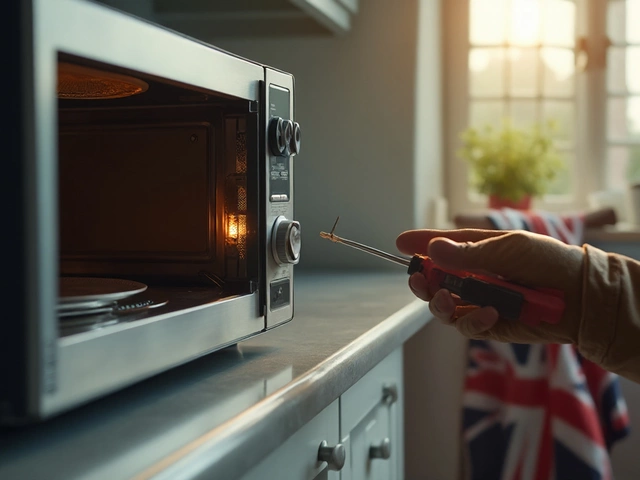
Learn fast how to spot a blown microwave fuse, test it safely, and replace it yourself. Step‑by‑step instructions, tools needed, and common pitfalls covered.
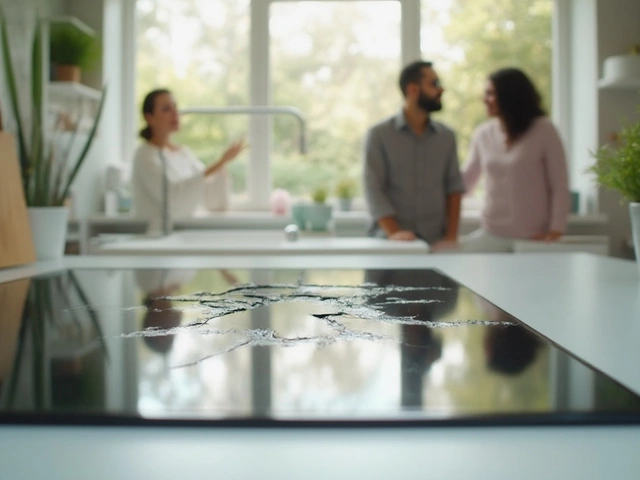
Cracks in electric hobs can show up suddenly and cause real headaches in the kitchen. This article looks at why electric hobs crack, from common mistakes to sneaky issues with installation. You'll get practical tips on how to prevent damage and handle minor cracks. Find out when you can fix a hob yourself and when it's smarter to call for professional help. Stay ahead of costly repairs and keep your cooking space safe.
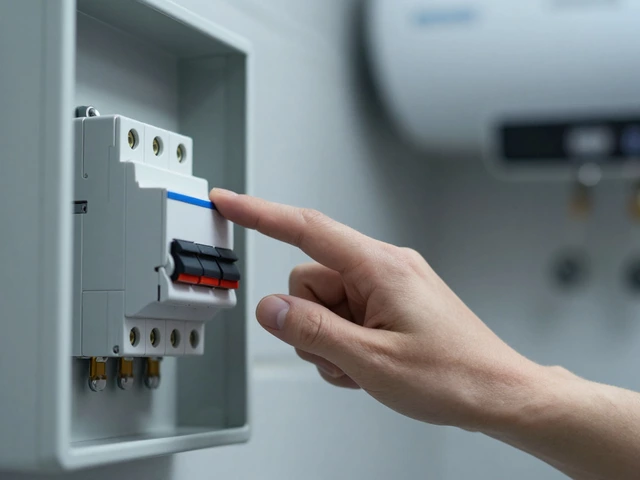
Struggling with a broken hot water heater? Learn how to troubleshoot common issues like tripped breakers, thermostat faults, and leaks before calling an expensive repair service.