

If you’ve ever felt a chill in a single room, you know a good space heater can be a game‑changer. These compact units can warm a bedroom, office, or garage in minutes, but they also come with a few quirks. Below you’ll find straight‑to‑the‑point advice on picking the right model, keeping it safe, and fixing the most common hiccups.
First, think about the size of the space you need to heat. For a small bedroom, a 750‑Watt ceramic heater usually does the trick. Bigger rooms often need 1500‑Watt units or a oil‑filled radiator that holds heat longer after it’s turned off. Look for an ENERGY STAR label – it means the heater uses less electricity for the same warmth.
Next, decide how you want to control it. Some heaters offer simple dial knobs, while others have digital displays, thermostats, and even smartphone apps. A thermostat is handy because it stops the unit from overheating once the room hits your set temperature.
Finally, check the safety features. A tip‑over switch that shuts the heater off if it falls over is a must, especially if you have kids or pets. Overheat protection does the same job if the unit gets too hot on its own. These features cost a few extra pounds but can save a lot of trouble.
Place the heater on a flat, stable surface away from curtains, bedding, or anything flammable. Keep at least a foot of clearance on all sides. Don’t use extension cords unless they’re rated for the heater’s power draw – a regular cord can overheat and cause a fire.
Regular maintenance keeps the heater efficient. Dust the fins or ceramic plates with a soft brush or vacuum attachment once a month. If you hear a rattling sound, the fan blade might be loose; tighten it or call a professional.
When the heater stops producing heat, start with the basics. Is the plug firmly in the socket? Is the circuit breaker tripped? Many units have a reset button that restores power after an overload. If the heater still stays cold, the heating element could be faulty – that’s a common repair issue that a qualified technician can replace without needing a whole new unit.
Don’t ignore odd smells or sizzling sounds. Those are warning signs of internal damage, and continuing to run the heater could create a fire hazard. In those cases, unplug it immediately and contact a repair service.
While most space heaters are straightforward, some models integrate multiple functions, like a fan or a humidifier. Each extra feature adds potential points of failure, so read the manual for specific troubleshooting steps. If you’re comfortable with DIY, swapping a broken heating element is similar to replacing an oven element – just disconnect power, remove the old part, and snap in the new one. Otherwise, a local repair expert can handle it within an hour.
Remember, a space heater is a temporary solution. If you find yourself relying on it year‑round, it might be time to upgrade your home’s central heating or improve insulation. A well‑insulated room holds heat longer, letting you turn the heater off sooner and save on electricity.
Got more questions? Browse our other guides on heat pumps, electric ovens, and boiler safety for deeper insight. Whether you’re buying new or fixing an older unit, the right knowledge keeps you warm and worry‑free.

Stuck with a broken boiler and a cold house? This guide shares quick, practical steps to keep your home warm without a working boiler. Learn about safe heating alternatives, ways to trap heat, and smart tricks for getting through chilly nights. Find out what to avoid, when to call a professional, and how to prep for future breakdowns. Perfect for homeowners who want to stay safe and comfortable during a boiler emergency.

Wondering if it's safe to send your laptop for repair? Learn how to protect your data, choose the right shop, and avoid warranty pitfalls with this practical guide.

Frustrated by cold water instead of a hot shower? This guide breaks down the most common reasons your hot water is running cold, with simple fixes anyone can try at home.
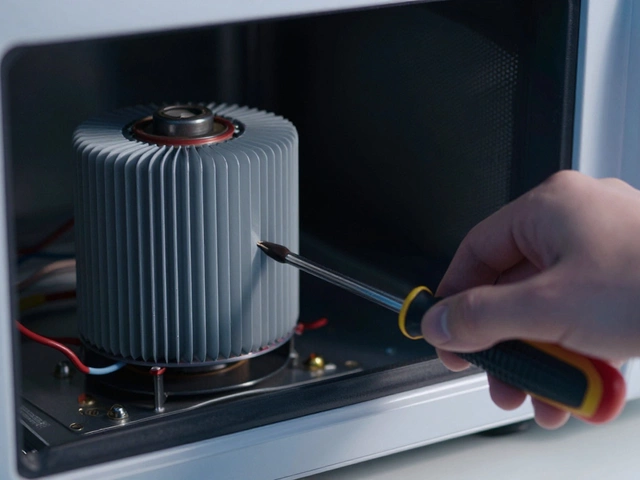
Fixing your own microwave might seem easy, but the high-voltage capacitor inside can deliver a lethal shock-even when unplugged. Here's why DIY repairs are dangerous and what you should do instead.
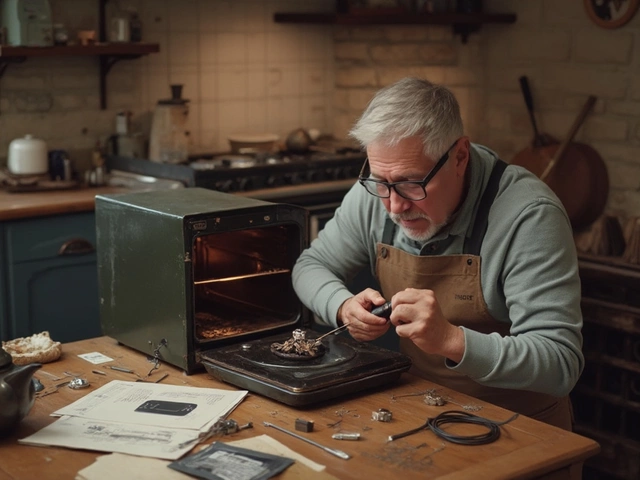
Oven troubles can throw a wrench in your meal plans. From a faulty heating element to problematic door hinges, diagnosing oven issues doesn't have to be daunting. This guide helps you identify and address common electric oven problems. Learn when a DIY fix is safe and when it's time to consult a professional. Simple steps and practical tips get you on your way to a working oven.

Navigating the cost of a new boiler can be confusing. This guide dives into typical pricing, key considerations for your budget, and how to make the best decision for your home. We'll explore average costs, the impact of brands and models, and provide tips for saving money. Get the information you need to keep your home warm without breaking the bank.