

When your small appliances, portable household devices like toasters, kettles, blenders, and coffee makers that make daily tasks easier. Also known as kitchen appliances, these gadgets are meant to last years—but they often break down far sooner than they should. Most people treat them as disposable, but that’s not just wasteful—it’s expensive. Replacing a £50 blender every year adds up to £500 over ten years. Fixing it? Often costs less than £20.
Appliance maintenance, simple, regular care like cleaning filters, checking cords, and avoiding overloading can double the life of your small appliances. A coffee maker that’s descaled every month won’t suddenly stop heating. A blender with a clean base and undamaged cord won’t trip the circuit breaker. These aren’t magic tricks—they’re basic habits most people ignore until something breaks.
And it’s not just about cost. A faulty small appliance can be dangerous. Frayed wires, overheating motors, or cracked housings aren’t just annoying—they’re fire risks. That’s why knowing when to fix and when to replace matters. A 5-year-old food processor with a broken gear? Usually fixable. A 10-year-old toaster with sparking inside? Time to walk away.
Many of the issues you think are "just how it is"—like a slow kettle or a noisy mixer—are actually fixable. Often, it’s just a worn-out switch, a loose connection, or a clogged heating element. You don’t need to be an electrician. Most repairs take under an hour with basic tools. We’ve seen people save hundreds by learning how to test a fuse, replace a thermostat, or clean a motor brush.
And it’s not just kitchen stuff. Extractor fans, electric kettles, hair dryers, and even vacuum cleaners fall under this category. They’re all small appliances. They all have parts that wear out. And they all have repair guides out there—just not always easy to find.
Below, you’ll find real fixes for real problems. No fluff. No theory. Just what actually works: how to reset a water heater’s safety button, why your oven control board fails, when a tumble dryer’s motor gives out, and how to tell if your electric hob is worth saving. These aren’t guesses. These are the exact issues we fix every week in Bognor Regis homes. If you’ve ever stared at a broken appliance and thought, "There’s got to be a better way," this is it.
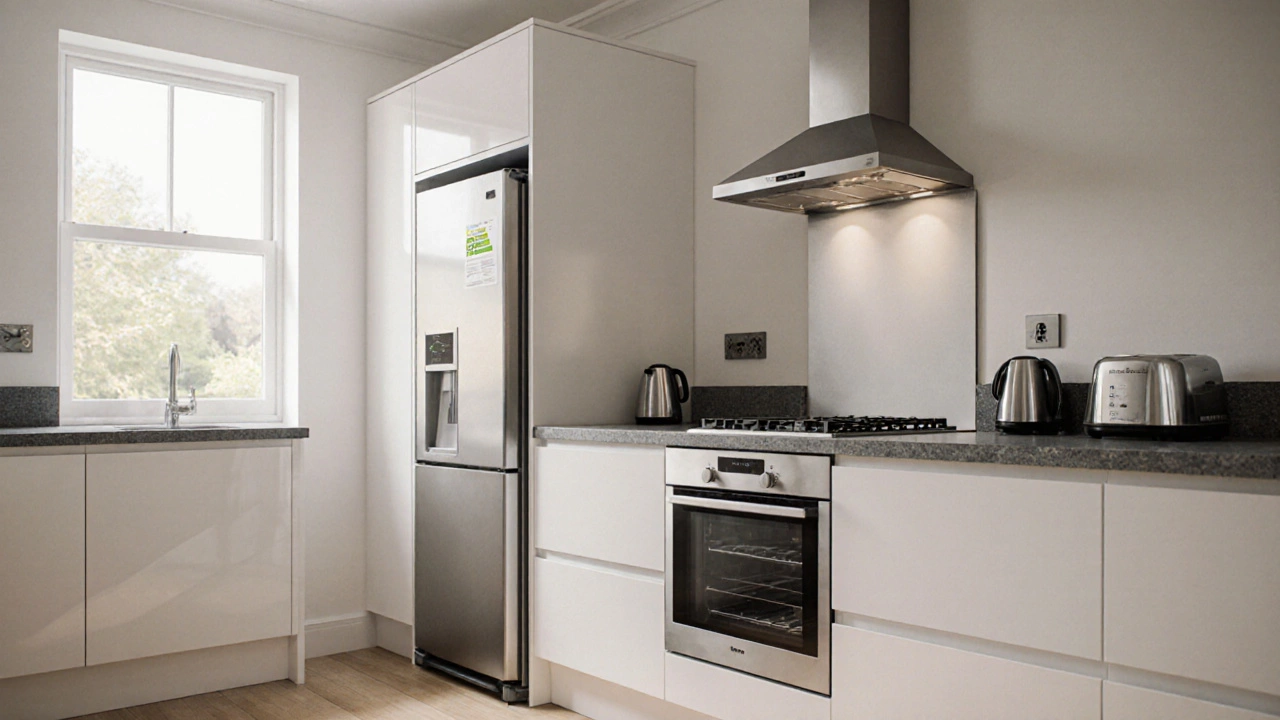
Learn what qualifies as an appliance in UK homes, including major vs. small appliances, what doesn't count, and why the distinction matters for repairs and insurance. Clear, practical guide for homeowners.
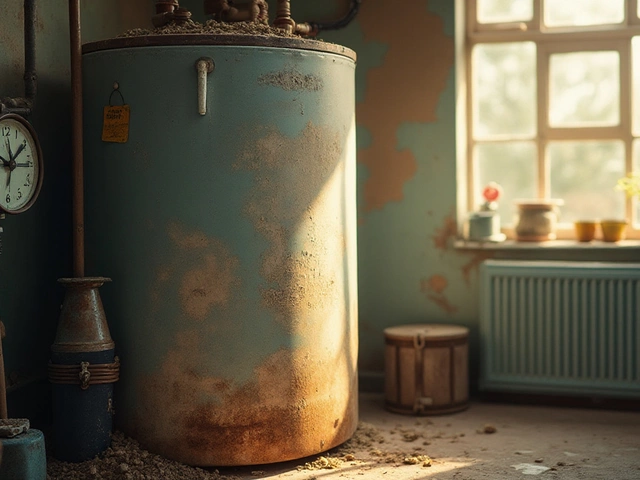
Neglecting to flush your water heater can lead to a host of issues, from inefficiency to full-blown malfunctions. Sediment buildup can decrease heating efficiency and even cause damage over time. This article explores what happens if you never flush your water heater, why regular maintenance is crucial, and how you can perform these tasks. Dive into practical advice and tips for maintaining a healthy water heating system.

Cracks in electric hobs can show up suddenly and cause real headaches in the kitchen. This article looks at why electric hobs crack, from common mistakes to sneaky issues with installation. You'll get practical tips on how to prevent damage and handle minor cracks. Find out when you can fix a hob yourself and when it's smarter to call for professional help. Stay ahead of costly repairs and keep your cooking space safe.

Experiencing a sudden loss of hot water can be inconvenient and potentially alarming. Understanding common reasons for this issue, such as thermostat malfunctions or a broken heating element, can help you troubleshoot the problem. Sometimes the solution is as simple as relighting the pilot light or adjusting the thermostat settings. For more complex issues, professional repair might be necessary. This article provides insightful tips and practical information to help you get your hot water flowing again.
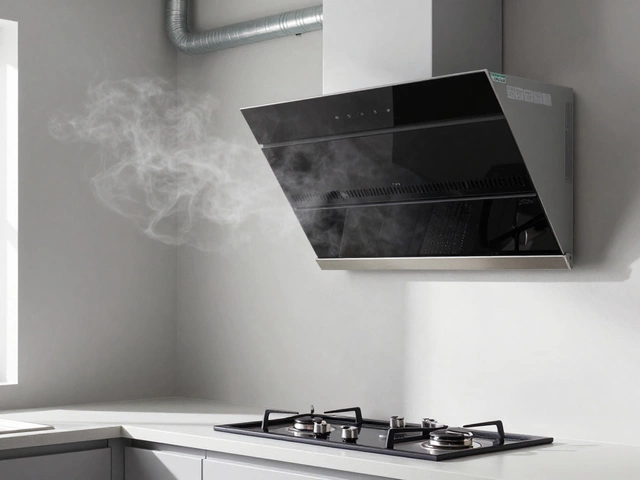
In the UK, you legally need an extractor fan in your kitchen if you have a gas hob or have done major renovations since 2006. Learn what the regulations require and why skipping it could cost you more than installing one.
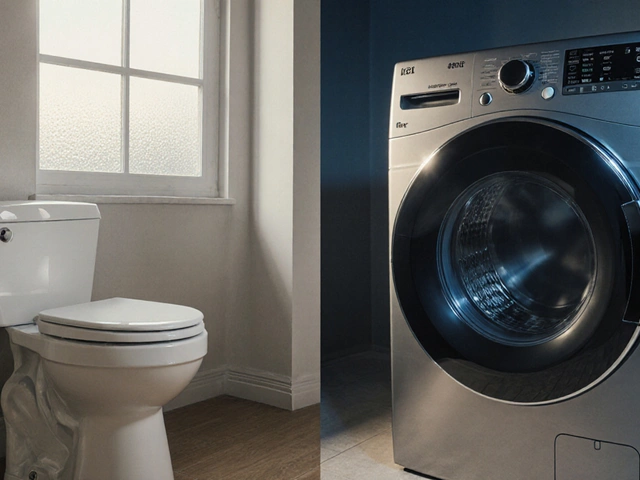
Learn why a toilet is classified as a plumbing fixture, not an appliance, and how this impacts warranties, insurance, and repair choices.