

Ever wonder why your fridge is humming but not cooling, or why the washing machine makes a grinding noise? Those are classic signs of failure that show up before a full‑blown breakdown. Spotting them early can save you time, money, and a lot of frustration.
Unusual noises. If a heat pump starts rattling, a dishwasher buzzes, or a dryer clunks, the motor or fan is probably wearing out. Don’t ignore squeaks or whines – they usually mean a part needs lubrication or replacement.
Temperature issues. A cold oven, lukewarm water from a hot water heater, or a fridge that stays warm are all red flags. These problems often point to faulty heating elements, thermostat failure, or low refrigerant.
Water leaks. Any puddle around a washing machine, dishwasher, or boiler signals a seal or hose problem. Leaks can cause rust, mold, and electrical hazards, so address them right away.
Cycle delays or errors. When an electric hob takes forever to heat up, or a heat pump won’t blow warm air, the control board or sensor is likely failing. Error codes on digital displays are the appliance’s way of shouting for help.
Excessive energy use. A spike in your electricity bill could mean an ageing fridge, a faulty compressor, or a heating element that never fully turns off. Monitoring usage helps you catch hidden inefficiencies.
If you notice any of the above signs, start with a quick safety check: unplug the appliance, look for visible damage, and clear any debris. Simple fixes like cleaning a filter or tightening a loose screw can solve the problem.
However, once you see repeated error codes, persistent leaks, or electrical smells, it’s time to call in a pro. Trying to repair a gas boiler, a high‑pressure water heater, or a complex heat‑pump system without proper training can be dangerous.
Professional technicians have the right tools, parts, and knowledge to diagnose the root cause quickly. They’ll also give you a clear idea of whether repair or replacement makes the most sense for your budget.
Remember, early action pays off. Fixing a faulty oven element now is cheaper than replacing the whole oven later. Replacing a worn‑out fan on a kitchen extractor saves you from mold and poor air quality.
Keep an eye on the signs, run a quick check when something feels off, and don’t wait for a total failure. Your appliances will thank you with fewer breakdowns and longer life.
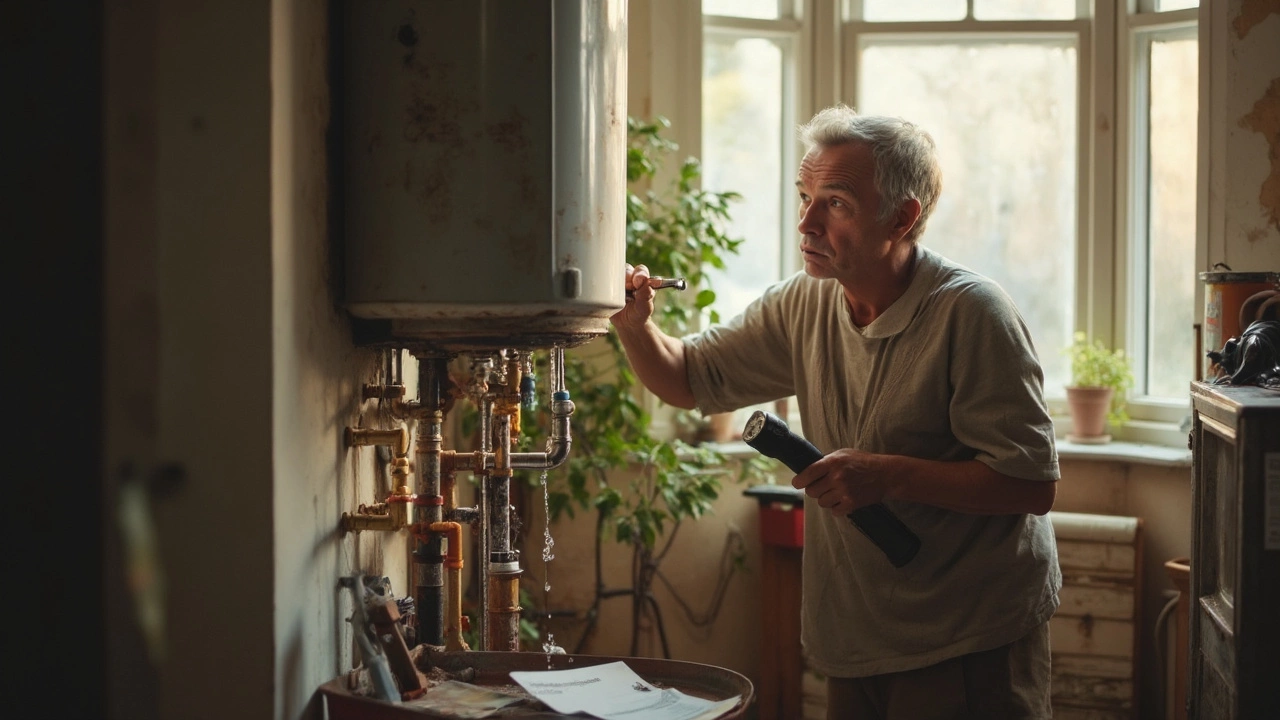
Wondering if your hot water heater is about to quit? This article breaks down the most common signs that your water heater needs to be replaced, from strange noises to rusty water. Find out how long these tanks usually last, what to look for during regular maintenance, and how to handle sudden issues. You'll get practical tips to keep your heater running smoothly and avoid a cold shower surprise. If you've ever worried about flooding, energy bills, or weird knocking, this is for you.
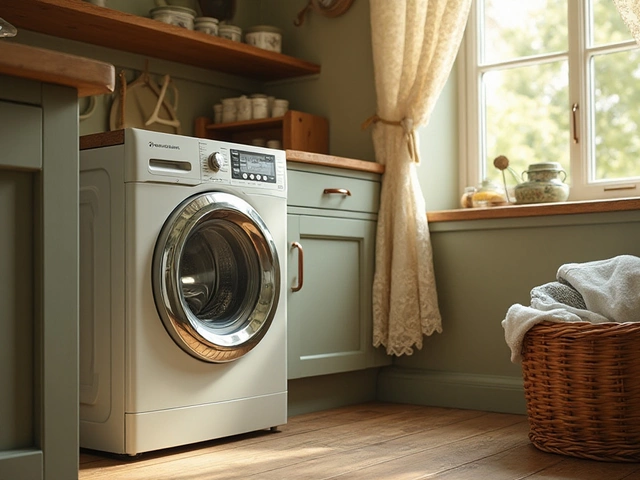
Choosing a reliable washing machine can be a daunting task given the numerous options available. This article provides insights into brands known for fewer repair issues and shares tips to maintain and extend the washer's lifespan. With technological advancements and design improvements, knowing how to select a durable washer can save time and money. Learn about the top performing washer brands based on recent studies and consumer reports. Also, discover interesting ways to keep your machine running smoothly.
Is a laptop an appliance? Discover why the distinction between consumer electronics and household appliances matters for repairs, warranties, and insurance.
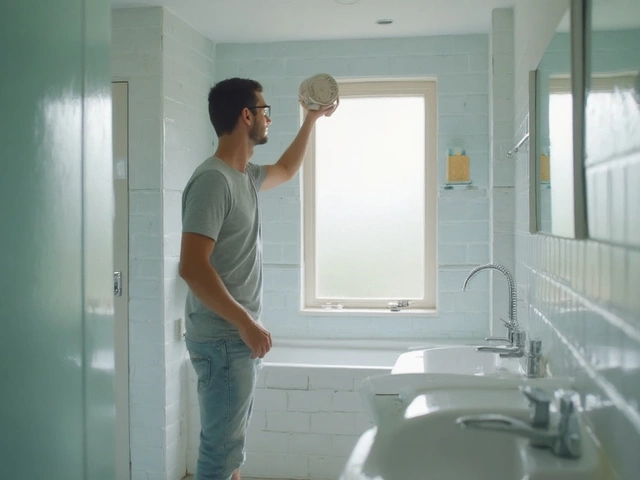
Nobody wants to deal with a stuffy bathroom or smoky kitchen, but if your extractor fan isn’t working, that’s exactly what you’ll get. This article shows you how to check if your extractor fan is doing its job or just taking up space. From simple power checks to quick airflow tests, you’ll learn hands-on methods anyone can use—no tech wizardry needed. Expect practical tips, a couple of helpful tricks, and signs that tell you when it’s time to call an expert. Don’t let stale air hang around: let’s figure out what your fan is up to.

Thinking about replacing your electric oven on your own? This article breaks down what you need to know about doing it yourself— from basic safety to common pitfalls. Learn how tricky the process can get, which tools you might need, and when it's smarter to call a pro. Get tips to save money and avoid kitchen disasters. Designed for anyone who values a good meal and a working oven.
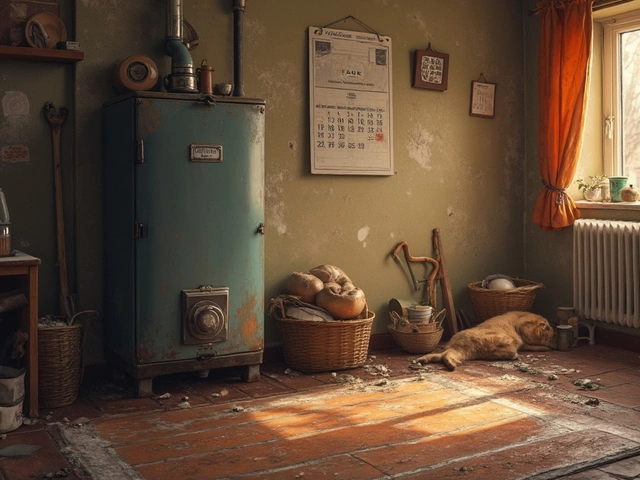
In the world of home heating, boilers are real workhorses. But have you ever wondered how long your trusty boiler will keep chugging along? Typically, a boiler can last anywhere from 15 to 20 years, depending on various factors like maintenance, usage, and quality of installation. Knowing when to fix or replace your boiler not only ensures a warm home but also helps you avoid unexpected expenses.