Cooker Diagnostic Assistant
What type of fuel does your cooker use?
Electric
Powered by mains electricity
Gas
Uses gas for heating
It’s 6 PM on a Tuesday. You’ve spent twenty minutes chopping vegetables, the recipe looks simple enough, and you turn the dial expecting warmth. Instead, you get nothing. Or worse, a strange clicking sound that stops after ten seconds. Your stomach drops because dinner is late, and now you’re staring at an appliance that has suddenly decided to quit on you.
Is your cooker a kitchen appliance used for cooking food, typically comprising an oven and a hob actually broken? Or is it just a tripped switch, a blown fuse, or a user error that can be fixed in thirty seconds? Before you call a repair technician-who might charge you £80 just to show up-you need to know how to diagnose the problem yourself. Knowing the difference between a minor glitch and a major failure saves money, time, and stress.
The Power Check: Electricity vs. Gas Basics
Before we look at internal components, let’s rule out the most obvious culprits. If your cooker has no power at all-no display lights, no response from knobs-the issue is likely upstream of the machine itself.
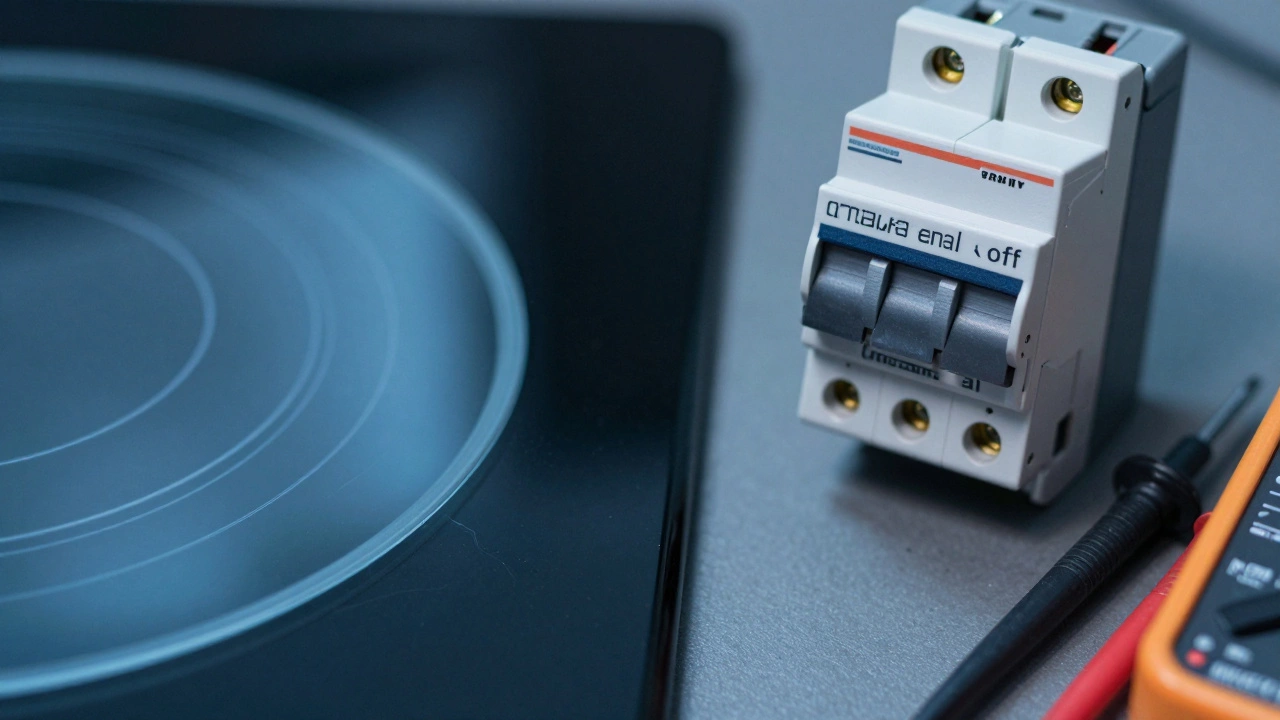
For electric cookers, check your consumer unit (fuse box). Look for any tripped miniature circuit breakers (MCBs) or blown residual current devices (RCDs). If a breaker has popped, try resetting it. If it trips again immediately, there is a short circuit inside the cooker or the wiring, and you should stop using it and call an electrician.
If you have a plug-in model rather than a hardwired one, ensure the plug is firmly seated in the socket. Try plugging another device into that same socket to verify it’s live. Sometimes, a loose connection behind the cooker can cause intermittent power loss, especially if you recently moved the appliance.
Gas cookers are different. They don’t rely on mains electricity for heat, but many modern models use electricity for ignition, timers, or digital displays. If the flames won’t light but the clock works, the issue is with the ignition system, not the gas supply. If neither the flames nor the electronics work, check if the gas isolation valve near the meter is open. It sounds silly, but valves get bumped shut during cleaning more often than you’d think.
Signs Your Electric Hob Is Failing
Electric hobs come in two main types: ceramic glass and traditional ring heaters. Each fails differently.
Ceramic Glass Hobs: If a specific zone isn’t heating, look closely at the surface. Are there cracks? Even hairline fractures can disrupt the induction coil or radiant element beneath the glass. If the hob heats unevenly or takes significantly longer than usual, the heating element may be degrading. Induction hobs will often flash an error code like ‘E1’ or ‘F3’ if they detect a fault with a specific zone. Consult your manual; these codes usually point to a sensor failure or a loose connection under the glass.
Ring Heater Hobs: These are simpler. If a ring doesn’t glow red when turned on, it’s likely burnt out. You can test this by swapping rings if your model allows it. If the ring glows but doesn’t get hot, the element is failing. This is a cheap fix-you can buy replacement elements online for under £20.
Oven Symptoms That Signal Trouble
Ovens are complex beasts with fans, thermostats, door seals, and multiple heating elements. Here’s what to watch for:
- Uneven Cooking: If your cakes burn on top but stay raw in the middle, or if one side of the tray is crispy while the other is pale, your thermostat might be drifting. Modern ovens have electronic controls, but older ones use bimetallic strips that wear out over time. A faulty thermostat sends the wrong signal to the heating element, causing temperature swings of up to 50°C.
- Door Seal Issues: Run your hand around the edge of the oven door when it’s closed and hot. If you feel drafts or see light leaking through, the gasket is worn. This causes heat loss, making the oven work harder and less efficiently. Replacing a seal costs about £15-£30 and is easy to do yourself.
- Fan Noise: In fan-assisted ovens, a grinding or squealing noise means the fan motor bearings are wearing out. Ignore this, and the fan could seize, leading to overheating.
- Error Codes: Digital ovens speak in codes. ‘E0’ often means a communication error between the control board and the display. ‘E4’ or ‘E5’ frequently indicates an overheat protection trigger. Write down the code before calling for help-it speeds up diagnosis significantly.
Gas Cooker Red Flags
Gas appliances require extra caution. Safety is paramount here.
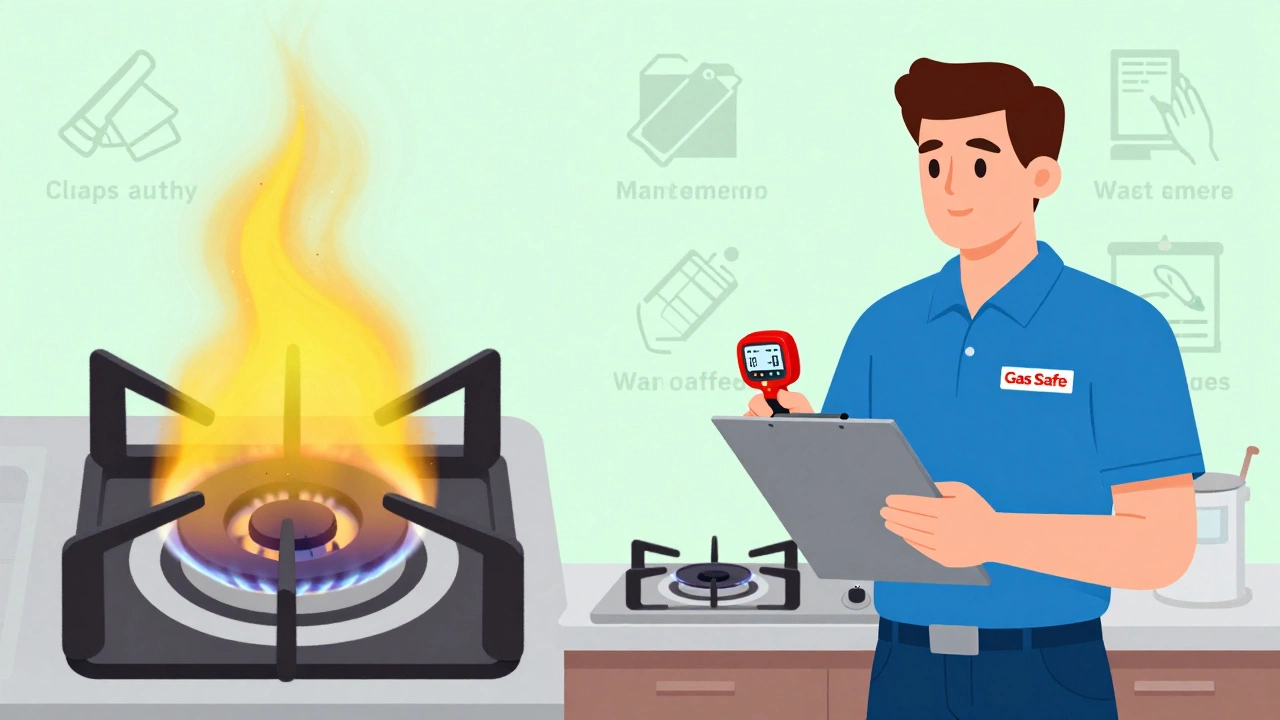
Yellow Flames: Healthy gas flames should be blue with a crisp inner cone. If you see yellow, lazy, or lifting flames, your burner is dirty or misadjusted. Carbon buildup restricts oxygen flow, creating incomplete combustion. This produces carbon monoxide-a silent, deadly gas. Clean the burner caps with warm soapy water and a soft brush. If the flame stays yellow, call a Gas Safe registered engineer.
Smell of Gas: If you smell rotten eggs (the odorant added to natural gas), evacuate immediately. Do not turn switches on or off. Open windows and doors, then call the National Gas Emergency Service from outside the house. This isn’t a DIY fix.
Pilot Light Won’t Stay Lit: On older gas cookers, the pilot light keeps a small flame burning to ignite the main burner. If it goes out repeatedly, the thermocouple-a safety device that detects the pilot flame-is likely dirty or faulty. Cleaning it with emery paper sometimes helps, but replacement is common.
When to Call a Professional
Not every problem needs a technician, but some definitely do. Use this checklist to decide:
| Symptom | Likely Cause | Action |
|---|---|---|
| No power to entire cooker | Tripped breaker, blown fuse, or wiring fault | Check fuse box first. If reset fails, call electrician/engineer. |
| One hob zone dead | Burnt element or loose connection | DIY: Replace element if accessible. Otherwise, professional. |
| Oven not reaching temp | Faulty thermostat or heating element | Professional: Requires multimeter testing and calibration. |
| Gas smell | Leak in hose, connector, or burner | EMERGENCY: Evacuate, call gas emergency service. |
| Error code persists | Control board or sensor failure | Professional: Needs diagnostic tools and part replacement. |
| Door won’t latch | Broken hinge or latch mechanism | DIY: Often adjustable screws. If broken, replace part. |
In the UK, always ensure any gas work is done by a Gas Safe registered engineer. For electric appliances, look for NICEIC or NAPIT certified electricians. Unqualified repairs can void warranties and create serious fire hazards.
Maintenance Tips to Prevent Breakdowns
Prevention is cheaper than cure. Simple habits extend your cooker’s life:
- Clean Spills Immediately: Sugar and starch caramelize into hard, insulating layers on heating elements, reducing efficiency and causing hot spots.
- Descale Steam Functions: If your oven has a steam assist, descale it every three months with vinegar or a manufacturer-approved cleaner. Limescale blocks nozzles and damages pumps.
- Inspect Door Seals Annually: Wipe them with damp cloth and check for tears. A tight seal keeps heat in and bills low.
- Avoid Thermal Shock: Don’t pour cold water into a hot oven cavity. The rapid contraction can crack enamel or glass.
Your cooker is a workhorse, but it’s not indestructible. By learning its quirks and recognizing early warning signs, you avoid unnecessary panic and expense. Most issues are straightforward once you know where to look.
Why does my electric cooker click but not heat?
This usually indicates a problem with the spark igniter (on gas-electric hybrids) or a relay on the control board (on fully electric models). If it clicks continuously without heating, the ignition module may be stuck trying to strike a spark. For electric hobs, a clicking sound followed by no heat suggests a faulty heating element or a broken connection in the wiring harness.
Can I fix a broken oven thermostat myself?
Replacing a mechanical thermostat is possible for handy homeowners, but calibrating it requires precision. Electronic thermostats are integrated into the control board and are not user-replaceable. Given the risk of inaccurate temperatures leading to fire hazards, it’s safer to hire a professional unless you have experience with appliance repair.
What does it mean if my gas cooker smells like burning plastic?
A burning plastic smell often points to melting wiring insulation, a damaged control knob, or grease catching fire in the oven cavity. Turn off the appliance immediately, unplug it if safe, and ventilate the area. Inspect visible wires for damage. If the smell persists after cleaning, stop using the cooker and call a technician-this could indicate an electrical fire risk.
Is it worth repairing an old cooker or buying a new one?
If your cooker is over 10 years old and the repair cost exceeds 50% of the price of a new equivalent model, replacement is usually better. Older models also lack modern energy efficiency standards. However, if it’s a high-end brand with minor issues (like a broken door handle or seal), repair makes sense. Check warranty status first-many manufacturers offer extended coverage.
Why does my induction hob only work on certain pans?
Induction hobs require magnetic cookware. Test your pan with a magnet-if it sticks strongly, it should work. Non-magnetic materials like copper, aluminum, or glass won’t generate heat. Some hobs also have size sensors; if the pan base is too small (<12cm diameter), the hob won’t activate. Ensure the pan base is flat and clean for optimal contact.