

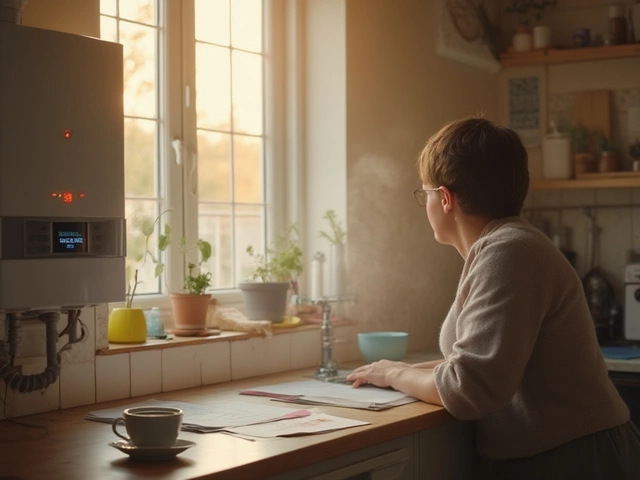
If you’re standing under a cold shower, chances are your boiler isn’t doing its job. It’s frustrating, but you don’t have to panic. A few simple checks can tell you if it’s a quick fix or a job for a qualified engineer.
First, make sure the thermostat on the boiler is set higher than the current room temperature. Sometimes the dial gets knocked down and the system thinks it’s already warm enough.
Next, look at the power supply. Is the boiler’s main switch on? Is there a fuse blown or a circuit breaker tripped? Resetting a breaker or swapping a fuse is fast and often solves the issue.
Most modern boilers have a pressure gauge. If the needle is below 1 bar, the system is under‑pressurised and won’t fire up. You can usually top it up via the filling loop – just follow the manufacturer’s guide and keep an eye on the gauge until it reaches the recommended level.
Check the pilot light if you have an older gas boiler. A missing or weak pilot means no heat. Relighting it is straightforward: turn the knob to “pilot,” hold the button, and use the spark button to light the flame. If it won’t stay lit, there might be a gas flow issue.
Lastly, listen for any error codes or flashing lights on the display. Jot down the pattern and look it up in the manual – often it points directly to a blocked pipe, a faulty pump, or a sensor problem.
If none of the DIY steps restore hot water, or if you spot a leak, strange noises, or a smell of gas, stop and call a Gas Safe registered engineer right away. Leaks can cause serious damage and a gas leak is a safety hazard.
Repeatedly low pressure after topping up suggests a leak in the system. A professional can locate and fix it, then recharge the boiler safely.
Faulty valves, broken circulator pumps, or a damaged heat exchanger require specialist tools and knowledge. Trying to repair these yourself can void warranties and make the problem worse.
In Bognor Regis, our local experts know the common issues that affect homes in the area – from hard water scaling to coastal corrosion. They’ll quickly diagnose the fault, give you a clear cost estimate, and have your shower steaming again.Remember, regular servicing (once a year) keeps the boiler in good shape and catches small problems before they turn into cold showers.
So, next time you step into a chilly shower, run through the quick checks. If the problem sticks around, give a qualified technician a call. It’s the fastest way to get the heat back and avoid further damage.
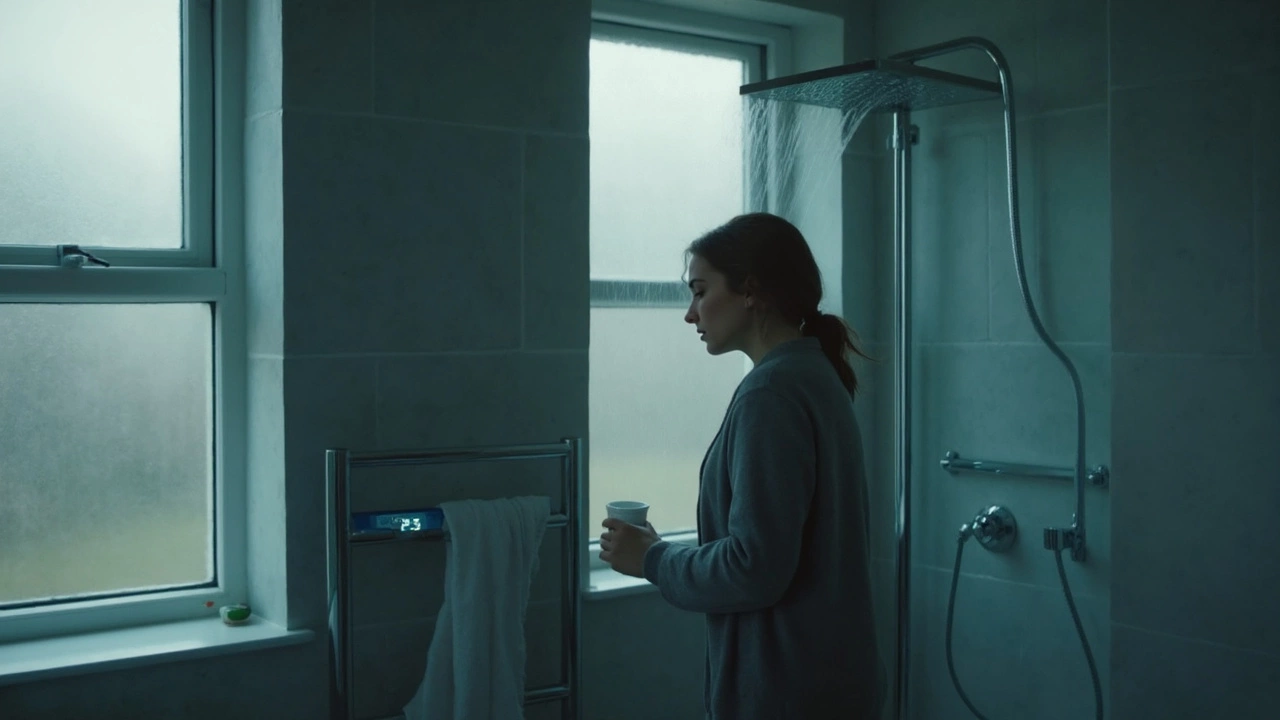
When your boiler breaks down, taking a comfortable shower suddenly feels like a luxury. This article explains exactly what happens to your shower when a boiler goes out, ways to still get clean, and when you should call in a professional. Learn alternative methods for washing, bust some myths about cold showers, and get tips on preventing future breakdowns. We even cover what to do if you have kids or need to keep up with fitness routines. Staying clean during a crisis isn’t impossible—you just need a bit of know-how and some creative solutions.
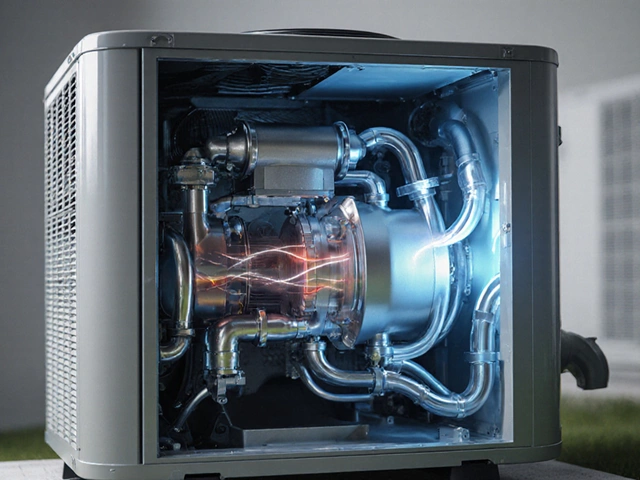
Find out the 2025 price range for heat pump compressors, what factors affect cost, how to get accurate quotes, and whether DIY or professional installation is best.

Deciding whether to repair or replace a refrigerator can be a puzzling task for most homeowners. Factors like the age of the fridge, the cost of repairs, and energy efficiency play crucial roles in this decision. Getting a new fridge might seem attractive with the latest features, but sometimes repairing your old one is the better choice. Before making a move, it’s essential to weigh the pros and cons to make an informed choice.
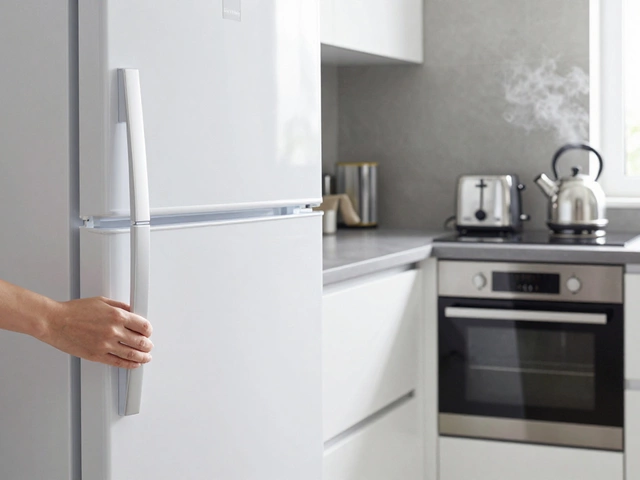
An appliance is a device designed to perform a specific household task like cooking, cleaning, or cooling. It’s not just anything that plugs in - it must replace manual labor and be used regularly at home. Understanding this helps you find the right repair service and know what’s covered under warranties.
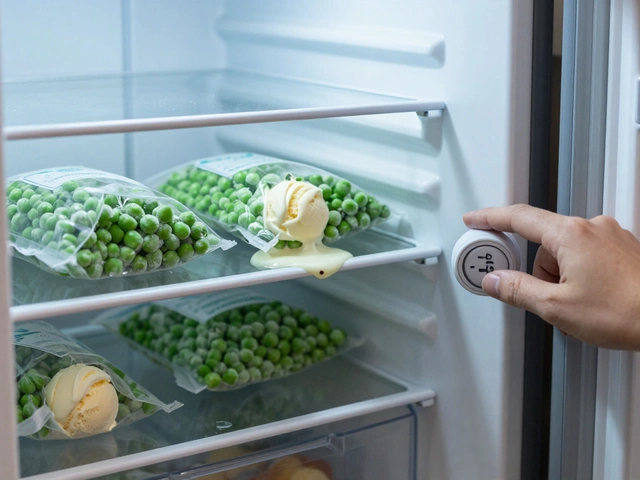
Find out exactly how much it costs to fix a freezer that won't freeze in the UK. We break down repair prices for thermostats, compressors, and seals, helping you decide whether to repair or replace your appliance.
Discover when to worry about your boiler, warning signs to watch, and smart tips for safe use. Get practical advice to avoid major boiler headaches.