

When dealing with shower no hot water, the situation where a shower delivers only cold water despite a working heating system. Also known as cold shower problem, it usually points to an issue somewhere in the hot‑water supply chain. Understanding the supply chain helps you spot the culprit before the problem gets worse.
Most homes rely on a hot water heater, the appliance that heats water for taps, showers and baths to provide the heat you need. If that heater stops working, the shower goes cold – a clear example of the semantic triple: shower no hot water → hot water heater fails. In many UK houses the heater is part of a boiler, the central heating unit that can also supply hot water. A drop in boiler pressure, a faulty thermostat, or an aged heat‑exchanger can all break the hot‑water loop. Another common link is the shower valve, the mixing component that balances hot and cold water before it reaches the shower head. When the valve’s cartridge wears out or gets clogged, it can block hot water even if the heater works fine. These three entities – hot water heater, boiler, and shower valve – together form the core of any hot‑water system.
Start with the simplest checks. Is the hot water working at other taps? If the kitchen tap has hot water but the shower doesn’t, the problem likely lies in the shower valve or the dedicated pipe run. Feel the pipes under the shower; warm pipes mean heat is getting that far, but a cold section suggests a blockage or a valve issue. Next, glance at the boiler’s pressure gauge – it should sit between 1 and 1.5 bar when the system is cold. Low pressure often triggers the boiler’s safety cut‑out, cutting hot‑water supply. If the pressure is fine, listen for any error codes on the boiler’s display; a “E‑heat‑ex” or similar code usually means the heat‑exchanger needs service.
For electric hot water heaters, locate the reset button near the thermostat. Pressing it can clear a tripped high‑limit switch, which is a common reason for intermittent hot water. However, if the heater trips the reset repeatedly, the thermostat or heating element is likely failing and needs professional attention. Gas‑powered heaters have a similar safety cut‑out; a hissing sound or gas smell warrants immediate shut‑off and a Gas Safe engineer’s visit.
Don’t forget basic maintenance. Sediment buildup inside a tank heater reduces heating efficiency and can cause overheating, leading the thermostat to shut off. Flushing the tank once a year removes this sludge and restores performance. Likewise, a boiler that hasn’t been serviced in two years may develop scale on its heat‑exchanger, which cuts heat transfer and results in lukewarm showers. Regular service keeps the system running at peak efficiency and reduces the chance of a cold shower surprise.
When these quick checks don’t bring back the heat, it’s time to call an expert. A qualified technician can safely test pressure valves, examine the diverter cartridge, and replace faulty components without risking leaks or gas hazards. The right pro will also inspect your whole system for hidden issues, ensuring that the next time you turn on the tap, the water is comfortably hot.
Below you’ll find a curated list of articles that dive deeper into each of these topics – from boiler diagnostics and water‑heater reset guides to detailed shower‑valve repair steps. Browse the collection to learn how to troubleshoot, what tools you’ll need, and exactly when the job is best left to a certified repair specialist.
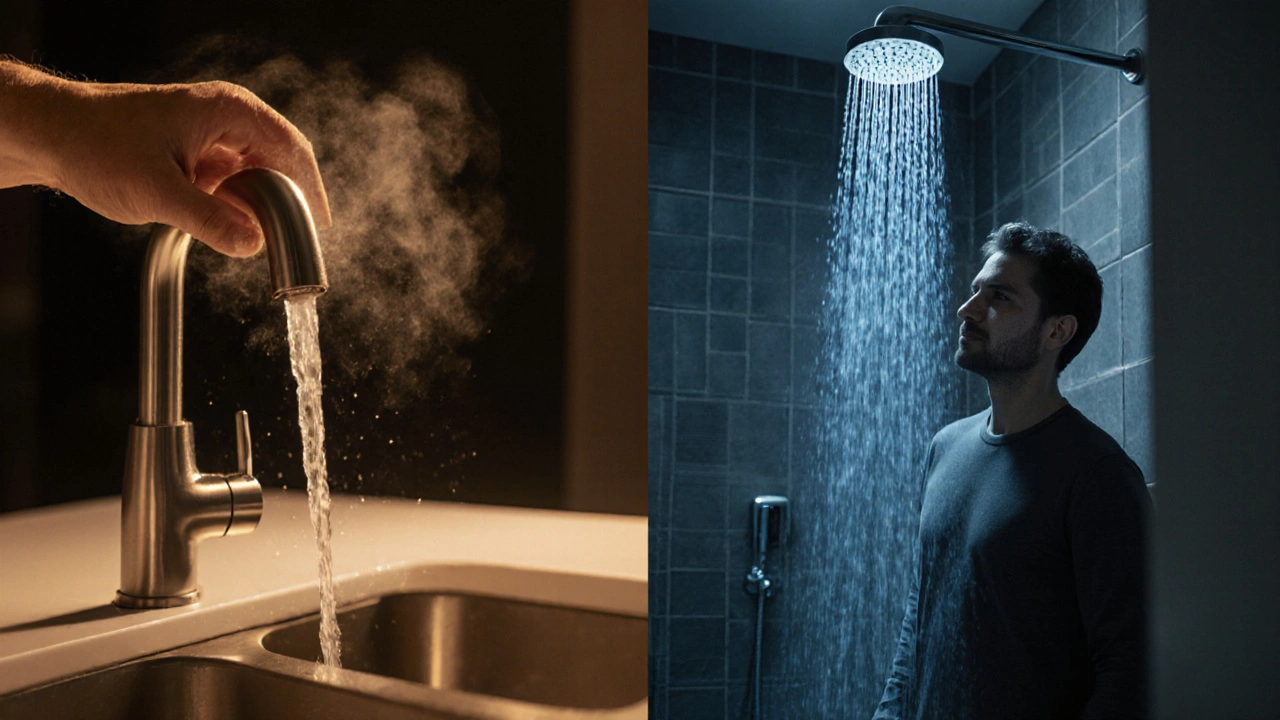
Discover why hot water reaches your sink but not the shower, learn the common causes, DIY fixes, and when to call a plumber for a reliable solution.
Plumbers are often the go-to professionals for a wide range of home repairs, but when it comes to boilers, it's essential to know their scope of work. This article delves into whether plumbers can actually handle boiler installations and replacements. You'll uncover what specific skills and certifications are required for boiler work, why hiring a specialized heating engineer may be recommended, and the potential risks of using underqualified technicians. Whether you're considering a new boiler or need an existing one serviced, understanding who is best suited for the task is crucial.
Curious about how much a new boiler might set you back? This article breaks down the costs involved, from purchasing the unit to installation fees. Understand the factors that influence pricing and learn practical tips to get the most value from your investment. Discover essential maintenance advice and the importance of proper sizing and efficiency ratings. Equip yourself with knowledge before making a decision about your home's heating system.
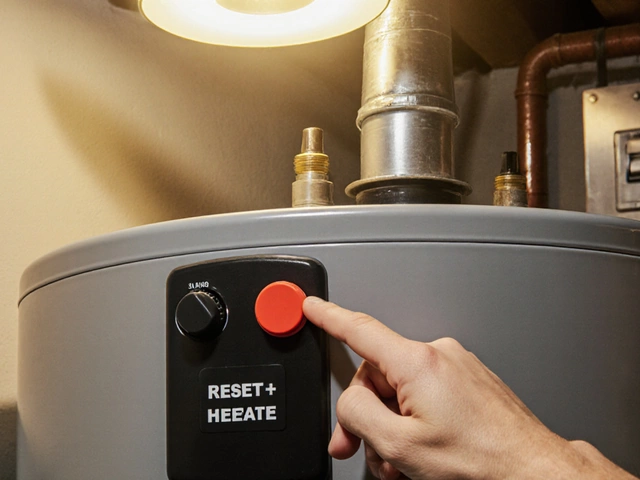
Learn how to safely reset both electric and gas hot water heaters, troubleshoot common issues, and know when to call a professional.
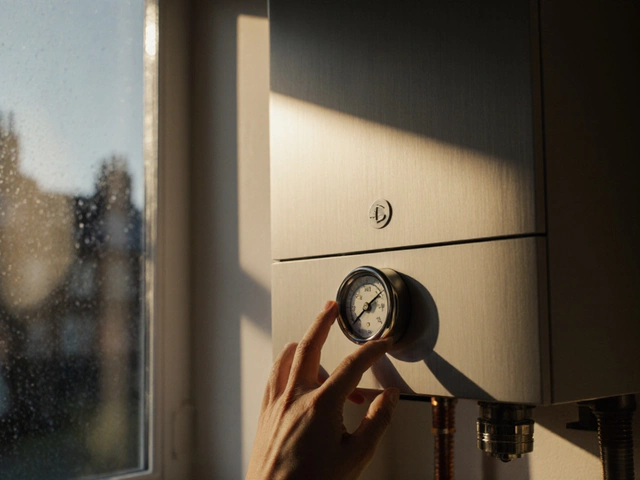
Step‑by‑step guide to diagnose common boiler problems, covering pressure, thermostat, fault codes, leaks, and when to call a professional.
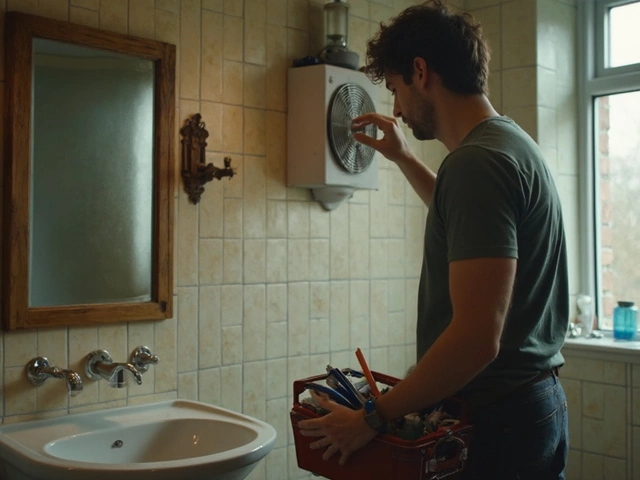
Thinking about swapping out your old extractor fan? This guide digs into how easy (or not) it really is to replace an extractor fan in your bathroom or kitchen. Get the lowdown on what tools you'll need, common surprises people miss, and what makes some fans trickier than others. If you're not sure when to call in a pro, we've got your back there, too. Get ready for a clear, no-nonsense breakdown.