

Ever notice that your hot water feels lukewarm or your boiler makes strange noises? Chances are a layer of sediment is settling inside. Sediment is mostly tiny mineral particles that collect over time, especially in hard‑water areas. When it builds up, it blocks water flow, forces the heater to work harder, and can cut the lifespan of your appliance.
Most people think sediment only hurts water heaters, but it also sneaks into boilers, washing machines, and even dishwashers. The more sediment you have, the more energy you waste and the higher your repair bills become. The good news? You can spot the signs early and clean it yourself with a few basic tools.
In a water heater, sediment settles at the bottom of the tank. Over time it creates a crust that makes the heating element work harder. Typical symptoms are slower hot‑water recovery, rumbling noises when the heater kicks on, and higher energy bills.
Boilers face a similar problem. Sediment builds up on the heat‑exchange surface, causing uneven heating and occasional clanking sounds. If you hear a ticking or popping noise, it’s often sediment reacting to heat spikes.
Even a washing machine can suffer. Hard‑water deposits can coat the drum and hoses, leading to weird smells, fuzzy lint, and less effective cleaning. Dishwashers may leave spots on dishes when mineral buildup clogs the spray arms.
First, turn off the power or gas to the appliance and let it cool. Safety always comes first.
For water heaters, drain the tank. Connect a garden hose to the drain valve, open it, and let the water run until it looks clear. Close the valve, refill the tank, and turn the power back on. This flush removes most of the crust.
Boiler cleaning is similar but may need a professional if the unit is sealed. However, you can still flush the system by opening the bleed valves and letting water run until it’s clear, then refill and restart.
Washing machines benefit from a hot‑water cycle with two cups of white vinegar. Run an empty load on the longest setting, then wipe the door seal and detergent drawer. For dishwashers, remove the spray arms, soak them in vinegar, and scrub any buildup.
Regular maintenance makes a big difference. Flush your water heater at least once a year if you have hard water, and schedule a boiler service every 12‑18 months. Using a water softener can also cut down on new sediment forming.
By keeping an eye on noise, temperature, and energy use, you’ll know when sediment is getting out of hand. A quick drain or flush usually solves the problem, saves money, and extends the life of your appliances.
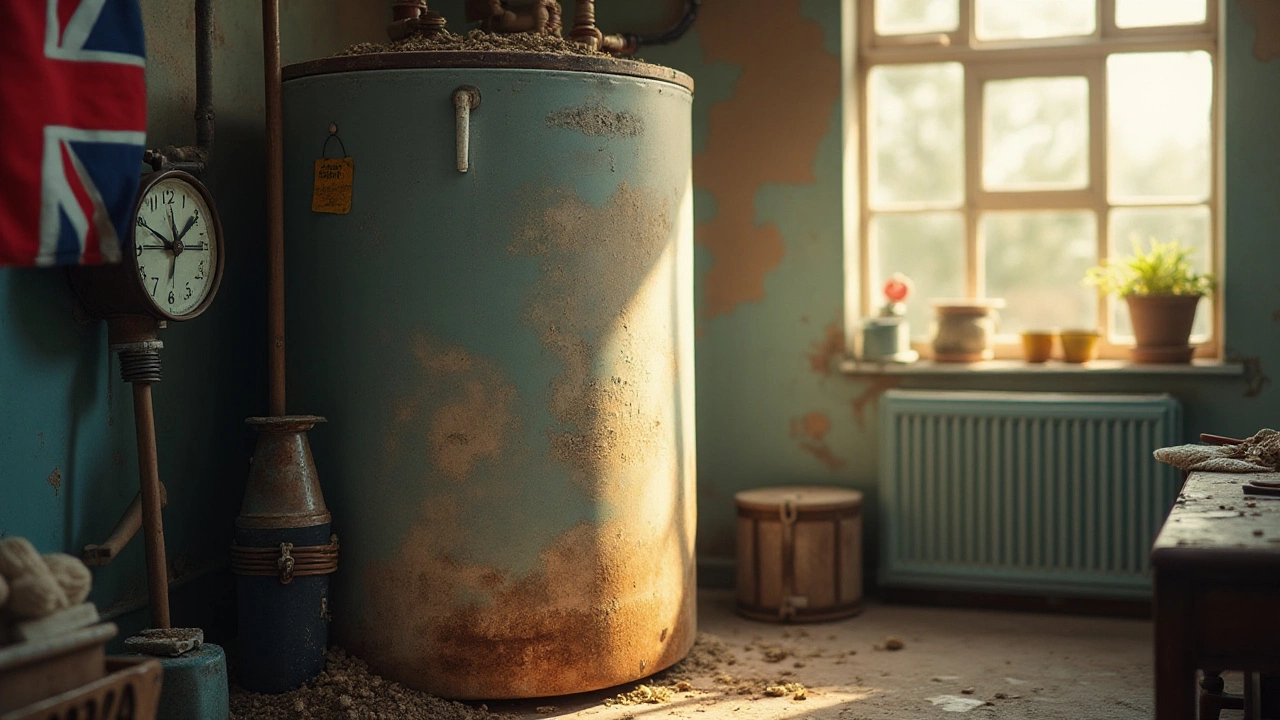
Neglecting to flush your water heater can lead to a host of issues, from inefficiency to full-blown malfunctions. Sediment buildup can decrease heating efficiency and even cause damage over time. This article explores what happens if you never flush your water heater, why regular maintenance is crucial, and how you can perform these tasks. Dive into practical advice and tips for maintaining a healthy water heating system.

When facing a broken boiler, many homeowners find themselves debating the merits of repairing versus replacing. Considering factors like costs, age of the boiler, frequency of issues, and energy efficiency can help make an informed decision. Exploring repair benefits as a cost-saving solution might be worthwhile for some, while others may find replacement offers better long-term advantages. Understanding your system's specific needs ensures optimal performance during the colder months.

Cracks in electric hobs can show up suddenly and cause real headaches in the kitchen. This article looks at why electric hobs crack, from common mistakes to sneaky issues with installation. You'll get practical tips on how to prevent damage and handle minor cracks. Find out when you can fix a hob yourself and when it's smarter to call for professional help. Stay ahead of costly repairs and keep your cooking space safe.

Extractor fans are essential for maintaining air quality in enclosed spaces like kitchens and bathrooms. When these fans break down, they can lead to moisture buildup and unpleasant odors. This guide offers practical advice on fixing a broken extractor fan, providing step-by-step instructions that any homeowner can follow. Learn how to diagnose common issues and the tools needed to restore your fan to working order.
Dishwashers are a staple in modern kitchens, but they often face common issues. So, what's the most frequent problem users encounter? This article dives into typical faults like drainage issues and proposes practical solutions. Understand why your dishwasher might not clean effectively and learn simple DIY fixes to keep it in top shape. By addressing these issues, you'll ensure your dishwasher runs smoothly for years to come.
Find out why your tumble dryer isn't spinning and learn step-by-step fixes for common dryer problems. Stay informed with practical tips and real solutions.