

Before you grab a screwdriver, think about safety. A simple slip or a forgotten circuit can turn a quick fix into a costly disaster. Below are practical steps to keep you safe while you tackle common household appliances.
The first rule is always to turn off the electricity at the breaker. Even if the appliance is unplugged, a lingering charge can remain in capacitors, especially in ovens or heat pumps. After switching off the breaker, use a non‑contact voltage tester to confirm there’s no live current. This quick check prevents shocks and saves you from an angry surprise.
If you’re working on a gas‑powered boiler or water heater, shut the gas valve and ventilate the area. A small leak can become a big safety issue fast. Keep a fire extinguisher nearby – a Class ABC type works for most kitchen and heating appliances.
Never improvise with the wrong screwdriver or wrench. Using the correct size reduces stripped screws and accidental slips. Gloves protect your hands from sharp edges on refrigerators, dishwashers, and extractor fans. Safety glasses are a must when you’re removing panels; broken glass or rust can fly out unexpectedly.
When dealing with hot water heaters or ovens, allow them to cool completely. Touching a still‑hot element can cause burns that feel worse than a minor shock. A simple kitchen timer can remind you how long to wait before you get your hands near the heat source.
Many of our guide articles, like “How to Replace an Electric Hob Element” or “Heat Pump Not Blowing Warm Air?” include a short safety checklist at the top. Skipping that list is the fastest way to end up on the phone with a professional. Take a minute to read it – it’s the difference between a smooth repair and an emergency.
When you’re unsure about a part, look for a label or serial number. Manufacturers often print warning symbols that tell you if a component is high‑voltage or pressurized. If a label says “Do Not Disassemble – Call Professional,” respect it. Ignoring manufacturer warnings can void warranties and put you at risk.
Ventilation matters more than you think. Working on a fridge or freezer releases refrigerant gases that are harmful if inhaled in a closed room. Open a window, or use a fan to push fresh air through. The same principle applies to cleaning a boiler – dust and soot can irritate lungs.
If a repair looks more complicated than replacing a simple heating element, it’s time to call a qualified technician. Our posts about “Can I Repair My Boiler Myself?” explain where the line is drawn. Trust your gut; if a job feels unsafe, get help.
Finally, keep a clean work area. A cluttered countertop can cause you to trip or knock tools onto live wires. Gather all needed parts, tools, and safety gear before you start. A tidy space speeds up the repair and reduces the chance of accidental injury.
Following these safety basics lets you fix most appliances without a mishap. Whether you’re swapping a dishwasher fan, flushing a water heater, or troubleshooting a heat pump, the same core rules apply: cut power, test, use proper gear, respect warnings, and know when to call a pro. Stay safe, stay smart, and enjoy the satisfaction of a job well done.
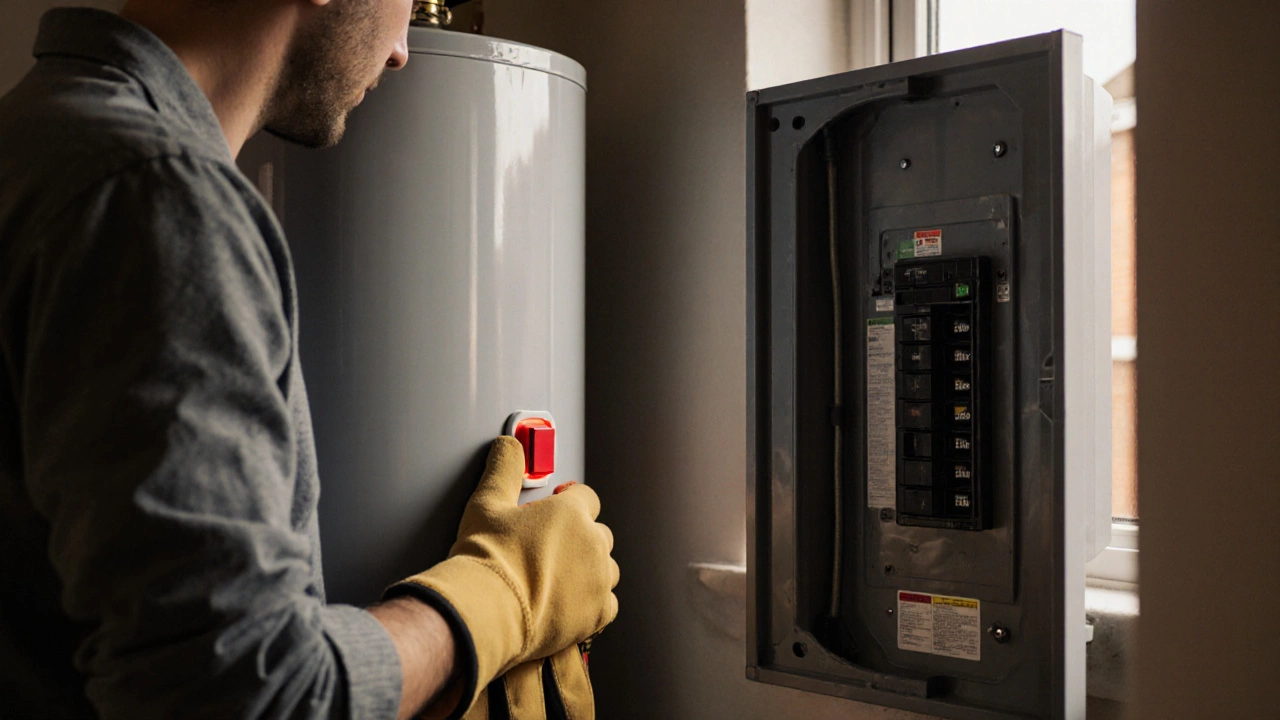
Learn when it's safe to press the water heater reset button, step‑by‑step instructions, common risks, and when to call a professional.

Thinking about swapping out your extractor fan? This article breaks down when you really need a licensed electrician and when you might handle it yourself. Learn what risks and rules are involved, plus some practical tips for a painless install. Get clear answers on costs, permits, and what can go wrong if you take shortcuts. If you want fast, safe, and lasting results, this guide walks you through everything step-by-step.
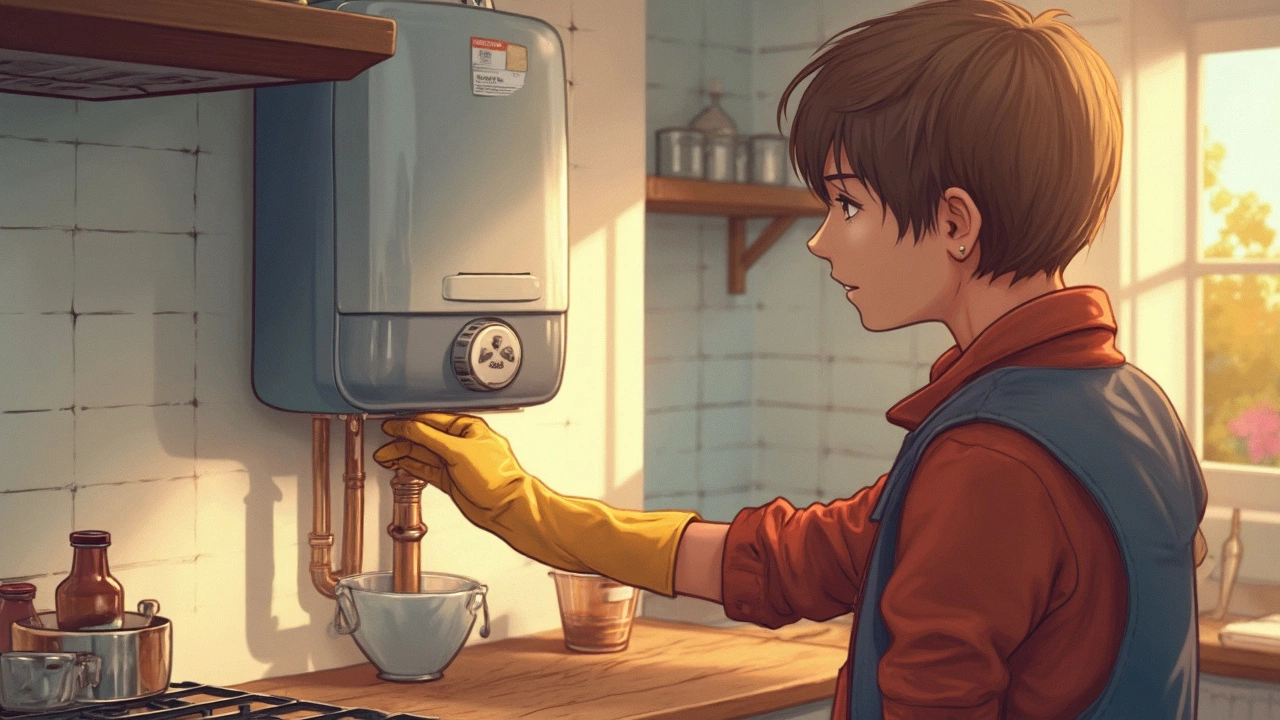
Resetting a water heater might seem simple, but it involves precaution. This article delves into when and why a reset might be necessary and explores the safety considerations involved. Learn about common signs that indicate a reset is due and the correct way to carry out this task. Discover the underlying causes of water heater issues to prevent future resets.

Stuck with a broken extractor fan and not sure what to do next? This article gives you practical ideas for improving air flow in your kitchen or bathroom when the fan is out of action. Learn about effective ways to keep humidity, smells, and condensation under control using simple tools and habits. Discover the pros and cons of each alternative solution so you can pick what fits your place best. Skip the stress and get the facts on dealing with bad ventilation the easy way.

When your electric hob stops working, it's more than just a minor inconvenience—cooking essentials go awry, family meal plans are disrupted. Understanding some common causes and fixes is crucial before calling in the big guns or rushing to buy a new unit. From circuit issues, faulty sensors, and even user errors, many problems have straightforward solutions. This guide walks you through troubleshooting steps and shares tips to keep your hob cooking strong.
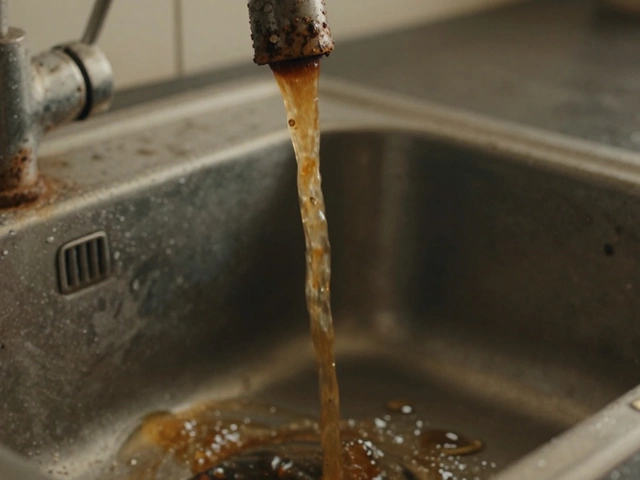
Watch for rusty water, leaks, strange noises, or no hot water-these are clear signs your water heater is failing. Age, higher bills, and bad smells mean it’s time to replace it before it breaks down.
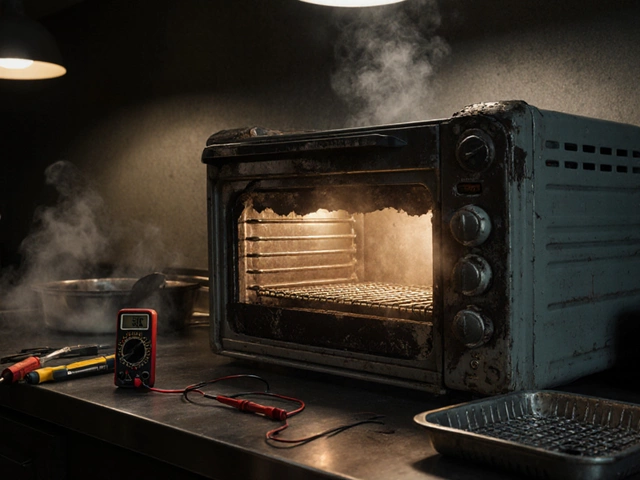
If your electric oven isn't heating, it's usually due to a broken element, faulty thermostat, or blown thermal fuse. Learn how to diagnose and fix the most common causes quickly and safely.
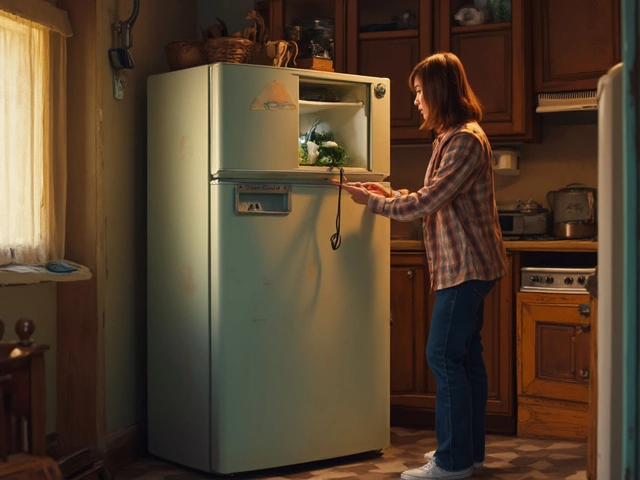
When your refrigerator suddenly stops working, it can cause quite a panic. But before calling in the repair services, there's one crucial thing you should check first: the power source. This step is often overlooked but can save you both time and money. Reliability and efficiency in troubleshooting can help bring your fridge back to life or at least determine the next best steps.