

When dealing with Safety Shut‑Off, an automatic system that cuts power or gas when a fault occurs. Also known as emergency shut‑off, it protects you from fire, flooding, or equipment damage. The idea is simple: detect an unsafe condition and stop the appliance before anything blows up. This concept covers a wide range of devices, from water heaters, which use a reset button to restart after overheating to kitchen ranges that shut down when a temperature sensor trips. Understanding how safety shut‑off works saves time and money because you know when a DIY reset is safe and when you need a pro.
One of the most common companions to safety shut‑off is the high‑limit switch, a thermostat that opens the circuit if temperature exceeds a safe threshold. In a boiler, the high‑limit switch is the heart of the boiler safety system. If pressure spikes or the water gets too hot, the switch tells the shut‑off valve to close, preventing a burst pipe or explosion. Similarly, the reset button, found on many water heaters and electric ovens is the user‑friendly face of the safety shut‑off. Press it after the appliance cools down, and the system re‑checks conditions before powering up again. These components all share a common goal: detect danger, interrupt operation, and give you a clear path to safe restart.
Below you’ll find a hand‑picked collection of guides that dive deeper into each of these parts. Whether you’re troubleshooting a cold shower, figuring out why a boiler won’t stay on, or learning how to safely replace a faulty high‑limit switch, the articles cover real‑world steps and safety reminders. Use them to decide when a quick reset is enough and when it’s time to call the Bognor Regis Appliance Repair Experts. Let’s get you equipped with the right knowledge before you open that toolbox.
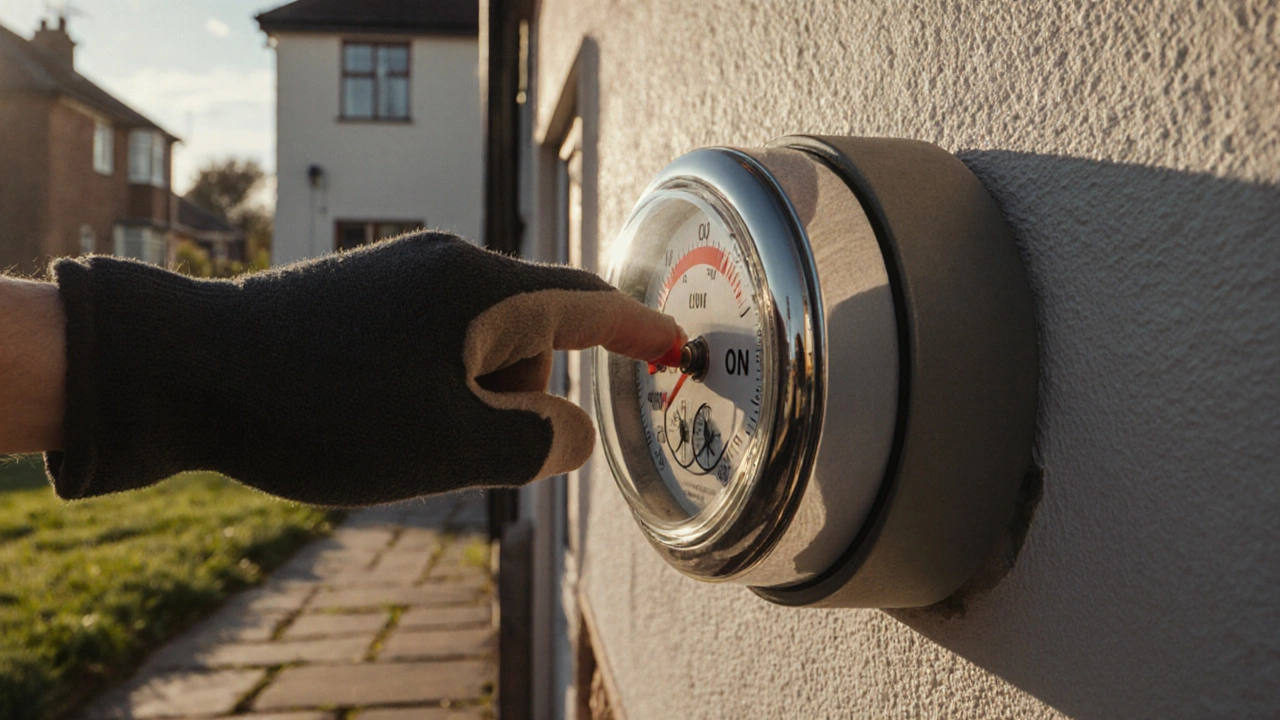
Learn why all your gas appliances might stop working, how to safely troubleshoot common issues, and when to call a Gas Safe engineer.
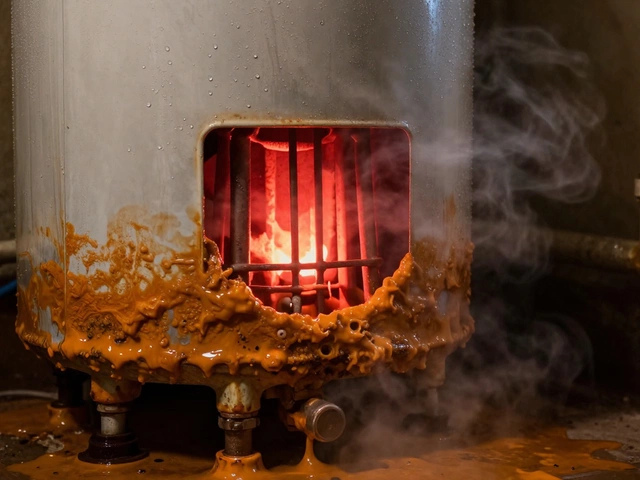
Sediment buildup from hard water is the #1 cause of water heater failure. Learn how mineral deposits damage your tank, why the anode rod matters, and simple steps to prevent leaks and extend your heater's life.

An electric oven is a kitchen essential that brings culinary magic to life, but sometimes it can start showing signs of wear and malfunction. If you notice uneven cooking, strange noises, or the oven simply won't heat, these could be indicators of a problem needing repair. Knowing the common signs can help you determine if troubleshooting is possible or if it's time to call a professional. From the thermostat issues to faulty heating elements, this guide provides insights into recognizing and addressing potential oven problems.

When your dishwasher starts acting up, a quick, accurate diagnosis can save you from bigger headaches and pricey repairs. This article walks through simple methods to spot dishwasher problems, from weird noises to stubborn leaks. You'll learn what to check first, how to tell if it's a DIY fix, and when it's time to call in a pro. Handy tips and real-life examples make this guide easy to follow, even if you're not a born handyman. Don't let a small hiccup become a kitchen disaster — know what to look for and act fast.
When your microwave starts making strange noises or fails to heat your food, it might be time to think about the magnetron. It's like the heart of your microwave, but is it worth the trouble to replace it or should you just buy a new one? This article explores the costs, benefits, and the nitty-gritty of magnetron replacement, throwing in some pro tips to help you make the right decision.
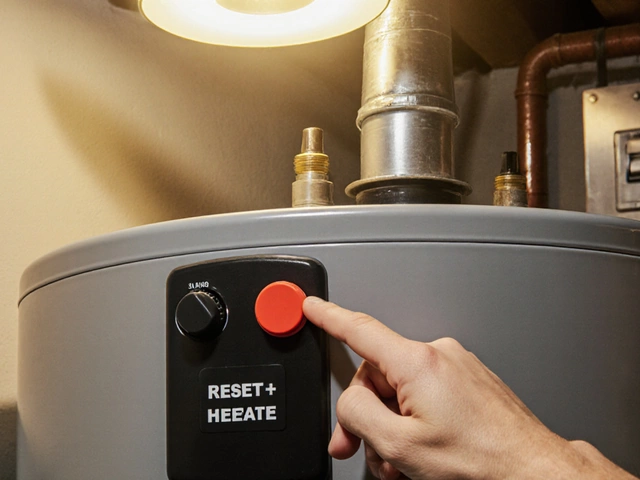
Learn how to safely reset both electric and gas hot water heaters, troubleshoot common issues, and know when to call a professional.