

When dealing with Safety Shut‑Off, an automatic system that cuts power or gas when a fault occurs. Also known as emergency shut‑off, it protects you from fire, flooding, or equipment damage. The idea is simple: detect an unsafe condition and stop the appliance before anything blows up. This concept covers a wide range of devices, from water heaters, which use a reset button to restart after overheating to kitchen ranges that shut down when a temperature sensor trips. Understanding how safety shut‑off works saves time and money because you know when a DIY reset is safe and when you need a pro.
One of the most common companions to safety shut‑off is the high‑limit switch, a thermostat that opens the circuit if temperature exceeds a safe threshold. In a boiler, the high‑limit switch is the heart of the boiler safety system. If pressure spikes or the water gets too hot, the switch tells the shut‑off valve to close, preventing a burst pipe or explosion. Similarly, the reset button, found on many water heaters and electric ovens is the user‑friendly face of the safety shut‑off. Press it after the appliance cools down, and the system re‑checks conditions before powering up again. These components all share a common goal: detect danger, interrupt operation, and give you a clear path to safe restart.
Below you’ll find a hand‑picked collection of guides that dive deeper into each of these parts. Whether you’re troubleshooting a cold shower, figuring out why a boiler won’t stay on, or learning how to safely replace a faulty high‑limit switch, the articles cover real‑world steps and safety reminders. Use them to decide when a quick reset is enough and when it’s time to call the Bognor Regis Appliance Repair Experts. Let’s get you equipped with the right knowledge before you open that toolbox.
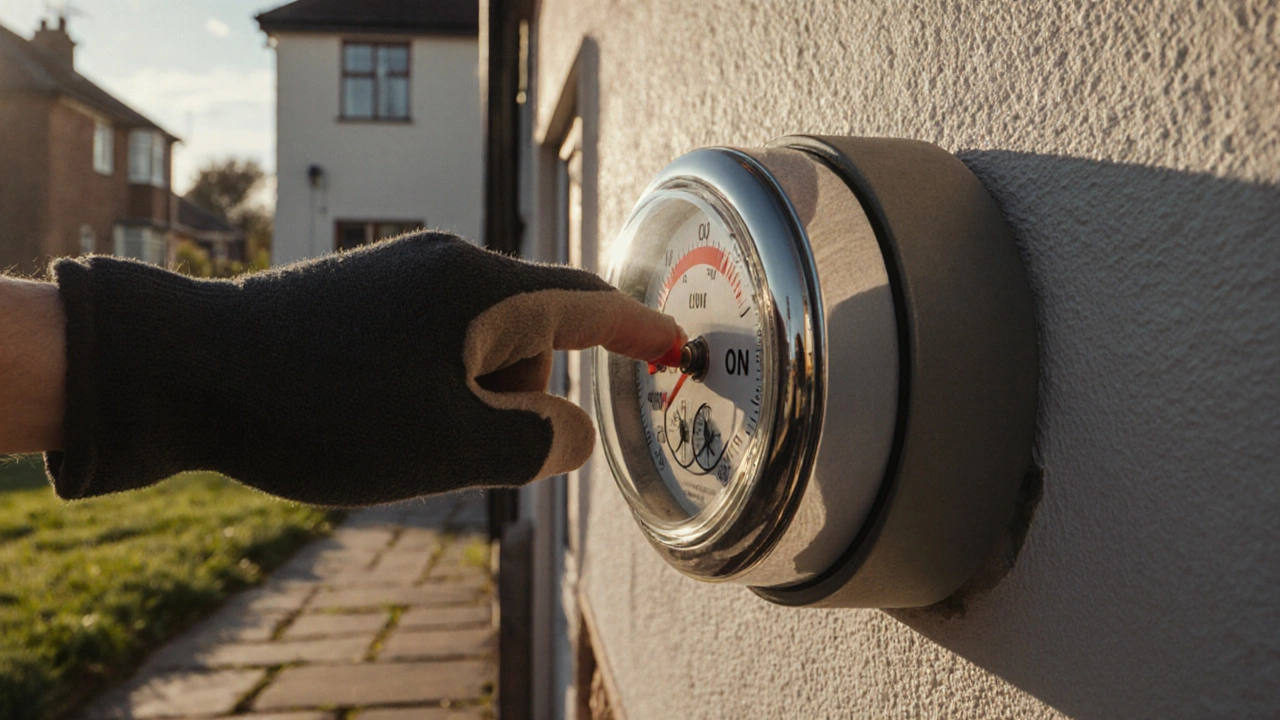
Learn why all your gas appliances might stop working, how to safely troubleshoot common issues, and when to call a Gas Safe engineer.

Extractor fans play a pivotal role in maintaining air quality in kitchens and bathrooms by expelling moisture, odors, and smoke. If your extractor fan suddenly stops working, it can lead to persistent humidity or unpleasant smells. This guide provides practical steps for diagnosing and fixing common issues that can cause an extractor fan to malfunction. From checking power supply and fuses to cleaning and replacing parts, understanding the intricacies can save you time and money. By following these steps, you can restore your extractor fan’s functionality and maintain a comfortable home environment.

Want to know how much Geek Squad at Best Buy will charge for fixing your laptop? This article breaks down their pricing and services, so you know exactly what to expect before you hand over your device. You'll learn what affects the cost, whether a protection plan is worth it, and get the lowdown on real-life repair scenarios. Plus, there are tips to help you save some cash or avoid common headaches. No tech jargon or fancy lingo—just straight answers.

Struggling with hot water inconsistencies between your kitchen and bathroom? This article explores the causes behind such issues, including plumbing layout and water heater problems. Learn valuable tips for diagnosing and fixing these common household headaches. Discover practical solutions that can save you from cold showers and confusing hot water scenarios. Understand how simple tweaks or professional guidance can restore your home's balanced hot water supply.

Trying to figure out if you should repair your electric stove or just buy a new one? This article breaks down the real costs, common repairs, and the value of fixing versus replacing. Find out what issues are usually fixable, what repairs make sense, and when to let go. You'll also get practical tips for simple DIY fixes and signs you need a pro. Make a smart choice for your kitchen and your wallet.
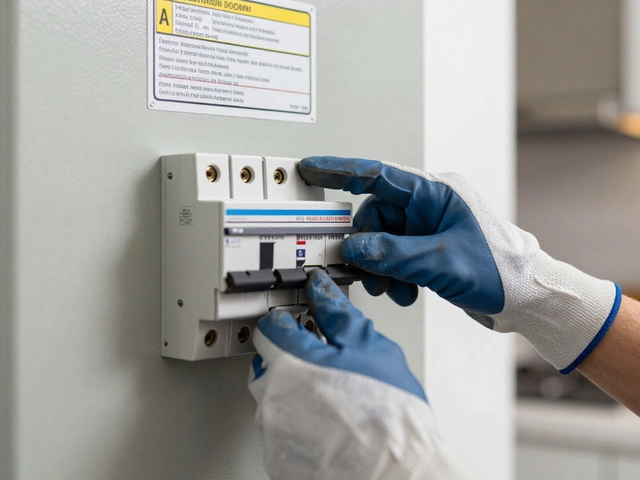
Learn how to safely fix a burnt electric hob by checking the element, testing with a multimeter, replacing parts, and preventing future damage. Avoid fire risks with these step-by-step tips.