

When your boiler breaks down in the middle of winter, everything stops. The good news is most problems can be avoided with a few simple habits. Below you’ll find straight‑forward advice you can follow yourself and signs that tell you when to call a professional.
Boilers are built to last, but they do give clues when something’s wrong. If you hear strange banging or whistling noises, turn the heat off and let it cool before you investigate. A sudden drop in water pressure (look for the gauge below 1 bar) is another red flag – low pressure can cause the boiler to shut off to protect itself.
Leaking water around the unit, rust on pipes, or a constantly wet floor means a seal or valve could be failing. Also keep an eye on the thermostat; if it’s constantly calling for heat but the radiators stay cold, the heat exchanger might be clogged.
Finally, any odd smells – especially a sweet, gas‑like odor – demand immediate action. Open windows, switch off the boiler, and call a Gas Safe engineer right away. Safety always comes first.
Most of the work that keeps a boiler safe is low‑effort and can be done in an hour or two. Here’s a quick list to follow before the heating season starts:
If anything feels off while you’re checking these items, note it down and tell the engineer when they arrive. Being specific saves time and money.
Even with a solid DIY routine, a yearly service by a qualified professional is a must. A Gas Safe engineer will check the gas supply, calibrate the control panel, and clean the internal parts you can’t reach. The cost of an annual service is usually far less than an emergency repair, and the peace of mind is worth it.
When you schedule that service, ask for a written report. It should list any parts that were replaced, the condition of the heat exchanger, and when the next service is due. Keeping these records helps you track the boiler’s age and decide when replacement makes more sense than repair.
In short, safe boiler maintenance is about two things: spotting problems early and doing simple, regular checks. Follow the checklist, watch for warning signs, and book a professional service each year. Your boiler will stay reliable, your home will stay warm, and you’ll avoid unexpected breakdowns – all without breaking the bank.

Curious if you can fix your boiler yourself? This detailed guide covers common boiler problems, easy repairs you can tackle, and when to leave it to the pros.

Why would a freezer suddenly stop working? This article uncovers the most common reasons, from electrical hiccups to sneaky broken parts. Get clear tips to troubleshoot on your own before calling in the pros. You'll also find surprising facts—like a forgotten coin trick to check freezing power. Whether it's food loss or a mystery beep, you'll get straight answers and a path to a cold fix.

Wondering why your microwave isn't heating? Learn the common symptoms of a bad magnetron, how to distinguish it from other failures, and when to call a pro.
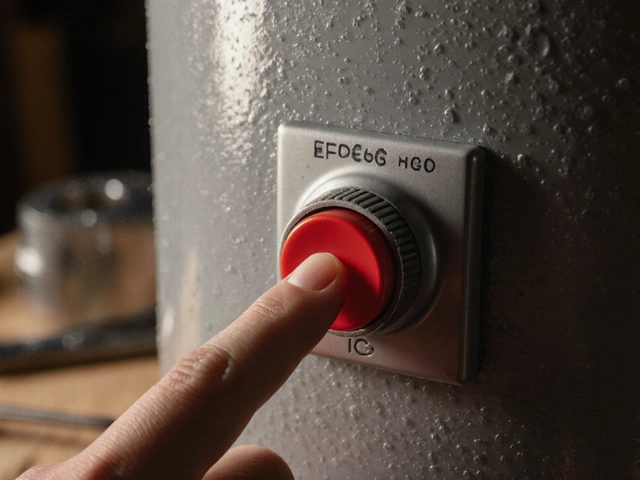
Learn how to properly reset your water heater's safety button - and why holding it down won't help. Find out what really causes it to trip and when to call a professional.
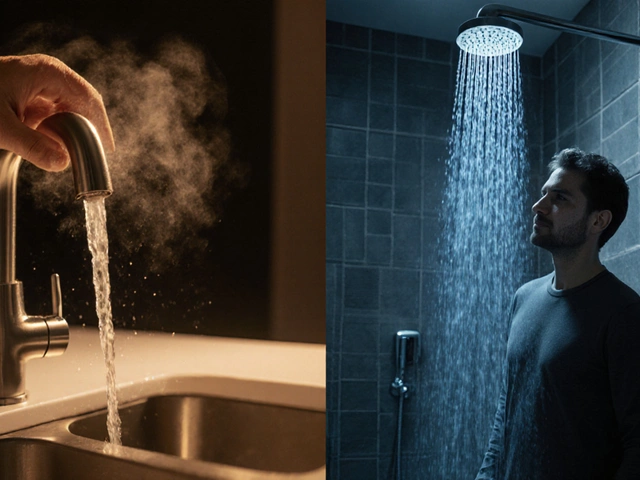
Discover why hot water reaches your sink but not the shower, learn the common causes, DIY fixes, and when to call a plumber for a reliable solution.
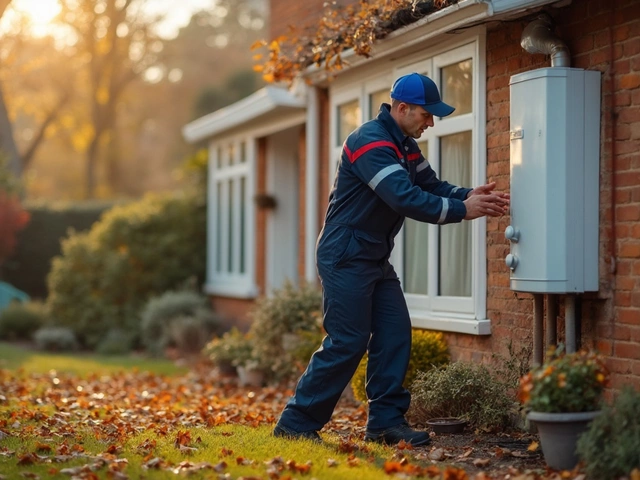
Replacing a boiler can seem like a daunting task, but knowing what to expect can make the process easier. Typically, boiler replacement involves several steps including removing the old unit, choosing the right size and type for your home, and ensuring proper installation. Skilled professionals often make the experience smoother by handling the technical aspects and minimizing disruption. Preparation and understanding of the process can help homeowners tackle this job with confidence.