

If you’ve had to hit the reset button on your water heater more than once, you’re not crazy. A reset can mean the unit sensed a problem – usually overheating or a bad sensor – and shut down to protect itself. The good news? Many resets are caused by things you can check yourself before calling a pro.
First, turn off the power or gas supply and let the heater cool for a few minutes. Open the access panel and look for obvious signs: burnt wires, loose connections, or a buildup of mineral deposits around the heating element. If you spot corrosion, a quick cleaning with a brush can sometimes clear the issue.
Next, make sure the thermostat is set to the right temperature – usually around 120°F (49°C). A setting that’s too high forces the heater to work harder and can trigger the high‑limit safety switch. Also, verify that the temperature‑pressure relief valve isn’t leaking; a steady drip can lower pressure and cause the heater to shut off.
If you’ve done the visual checks and the heater still trips, the culprit is often the heating element or the high‑limit switch itself. A failing element can overheat quickly, especially in hard‑water areas where scale builds up. Testing the element with a multimeter is easy: a reading of infinite resistance means it’s blown and needs replacement.
The high‑limit switch is a safety device that cuts power when the water gets too hot. It can wear out over time or become stuck. You can gently tap the switch to see if it releases, but if it continues to trip, replacement is the safest route.
Another hidden factor is the water heater’s sediment layer. Over years, minerals settle at the bottom and act like insulation, causing the unit to overheat. Flushing the tank once a year – about a half‑hour of water spraying out – helps keep the element clean and the thermostat accurate.
If your heater is more than 10‑15 years old, the internal components may simply be reaching the end of their life. In that case, weighing repair costs against a new, more efficient model can save money in the long run.
When in doubt, call a qualified technician. They’ll test the element, check the safety switches, and ensure the gas or electric connections meet local codes. Trying to tinker with gas lines or high‑voltage parts without proper training is risky.
Bottom line: a reset isn’t always a sign of disaster, but it’s a warning flag. Quick visual inspections, thermostat checks, and an annual flush can solve most issues. If the problem persists, let a pro handle the internal parts so you get hot water without the hassle.
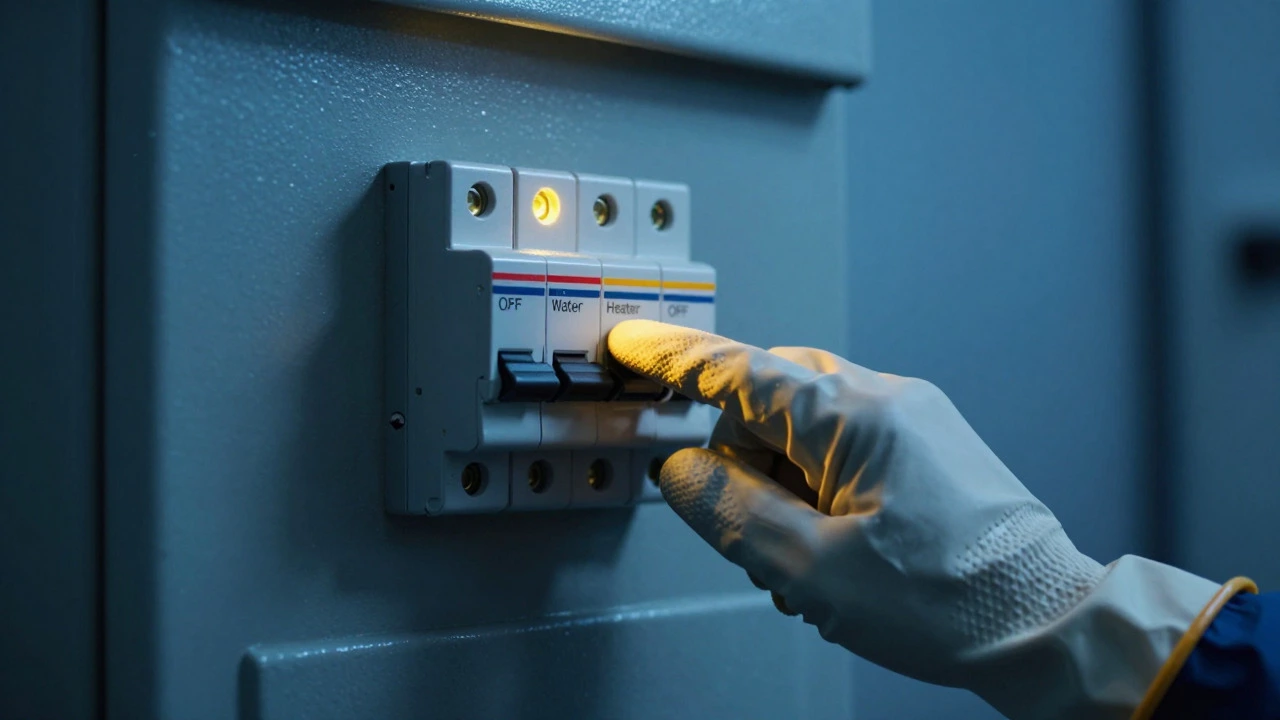
Learn if you need to turn off the breaker to reset a water heater. Step-by-step safety guide for electric and gas models, troubleshooting tips, and when to call a pro.
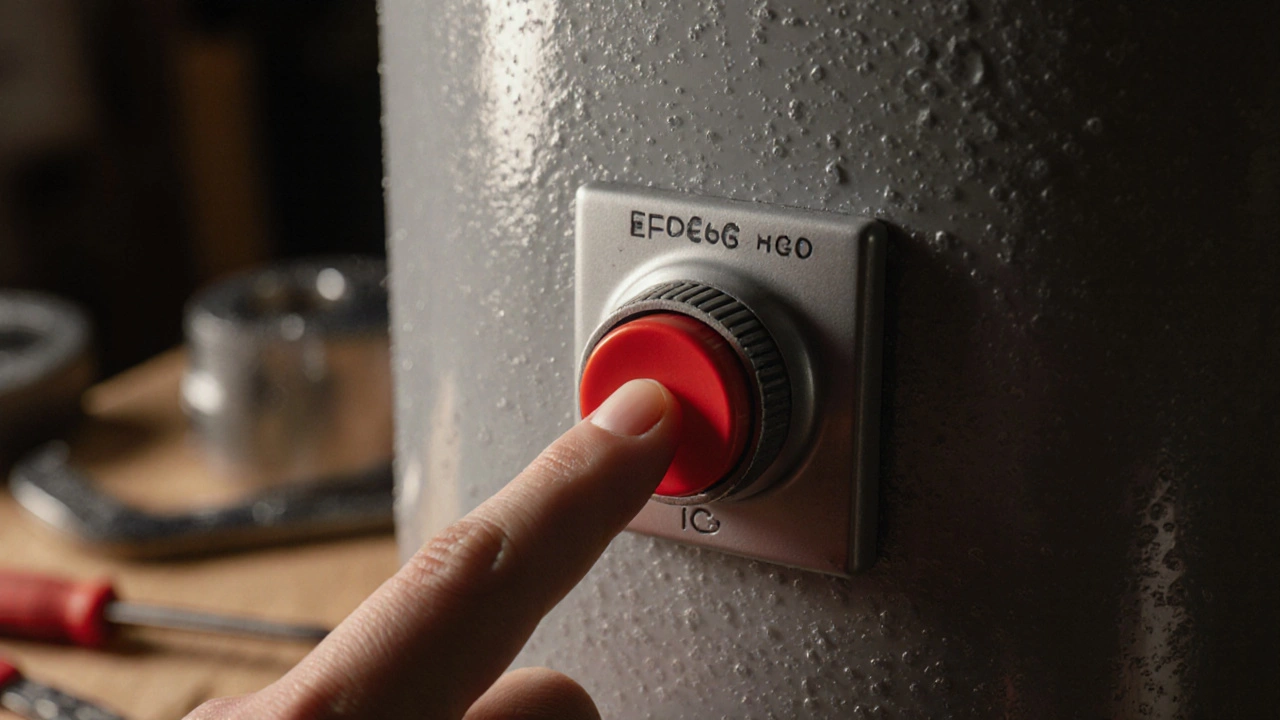
Learn how to properly reset your water heater's safety button - and why holding it down won't help. Find out what really causes it to trip and when to call a professional.
Dealing with a water heater that keeps tripping can be a headache—hot water one minute and a cold shower the next. This article breaks down the most common reasons for this irritating problem, giving you clear steps for figuring out if it’s a simple DIY fix or if you should call in a pro. You’ll get straight talk, not complicated jargon or long-winded explanations. Learn what to check, what parts usually fail, and when your water heater might just be on its last leg. Get the confidence to handle the problem and save yourself a ton of hassle.
Troubles with your water heater might mean it needs a reset. Knowing when and how to reset it can prevent cold showers and unnecessary stress. This guide covers signs your water heater needs resetting, why it's important, and how to do it safely. Plus, learn some handy maintenance tips to keep it running smoothly.
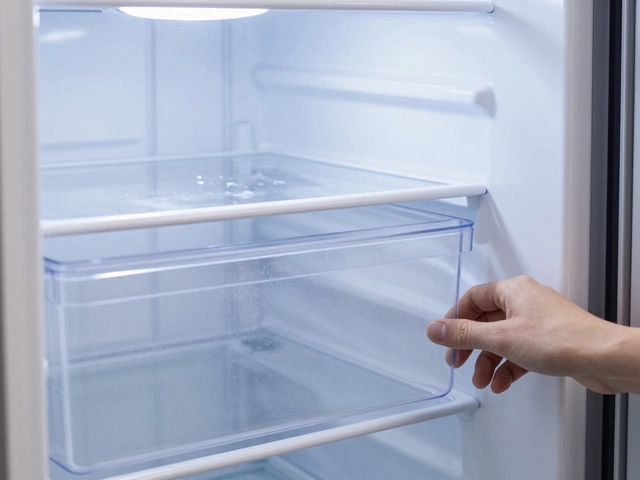
Is your freezer not making ice? Learn how to fix common issues like clogged filters, frozen water lines, and faulty sensors with this easy guide.
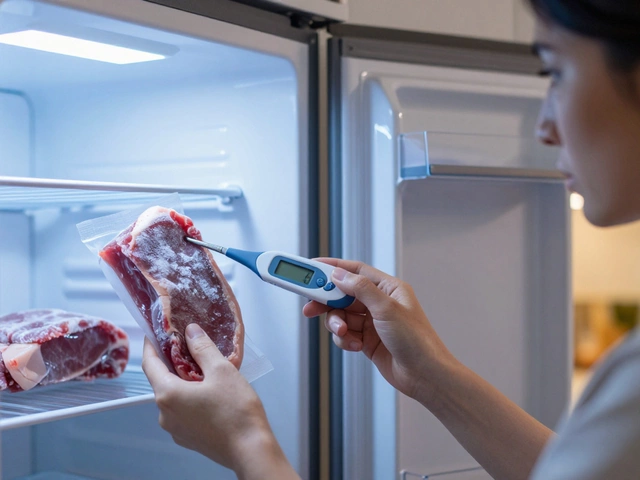
Find out if your food is safe after a freezer breakdown. Learn how long food stays cold, what to keep vs. toss, and essential steps to prevent waste and illness.
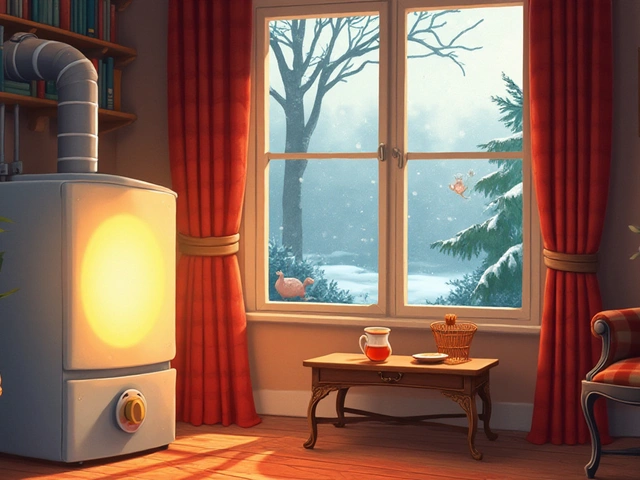
Neglecting boiler maintenance can lead to a series of unfortunate events, from reduced heating efficiency to costly breakdowns. A neglected boiler could become a safety hazard, potentially increasing the risk of carbon monoxide poisoning. Regular servicing can enhance your boiler’s longevity, ensuring a warm home environment during cold spells. Discover why these routine check-ups are more crucial than many realize and learn how they can save you from avoidable expenses.
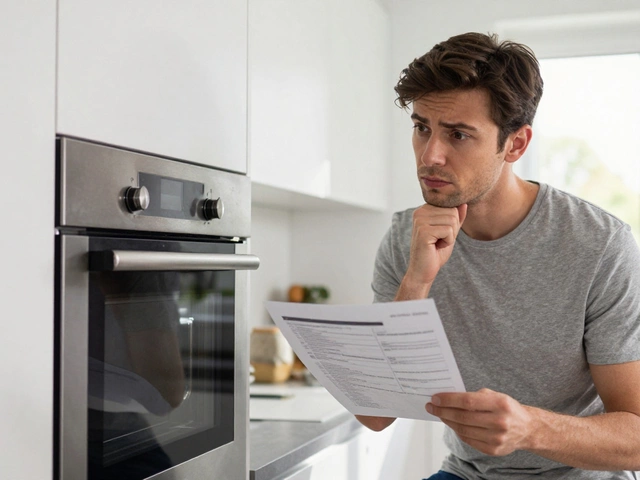
Deciding whether to fix or replace a 10-year-old oven? We break down the costs, energy savings, and key factors to help you make the right choice for your kitchen and budget.
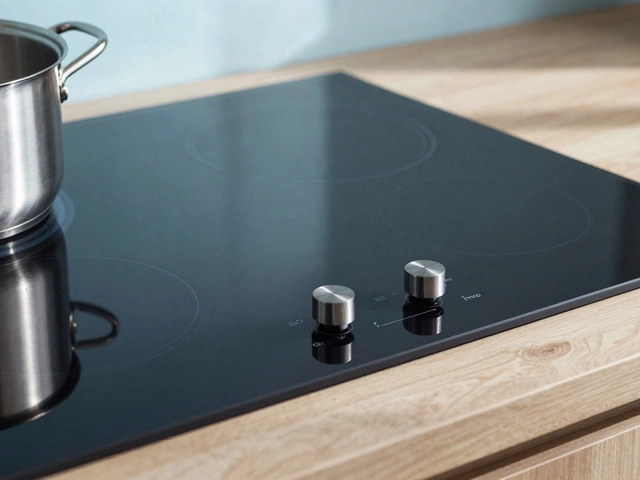
Learn exactly how to reset your electric hob when screens freeze or zones fail. This guide covers universal power cuts, button combinations, and recognizing genuine faults versus false alarms.