

Got a washing machine that’s stopped mid‑cycle or flashing an error code? Most of the time a simple reset will get it back to work. You don’t need to be a tech wizard – just follow these easy steps and you’ll save time and money.
Modern washers have sensors that watch water level, temperature, spin speed and door locks. When something looks off, the machine throws an error and stops. It could be a power hiccup, a blocked filter, or a loose door latch. Rather than calling a repair man straight away, a reset clears the fault memory and lets the control board start fresh.
1. Turn it off and unplug. Safety first – switch off the power knob and pull the plug. Wait a minute; this drains any stray electricity from the board.
2. Press and hold the start/pause button. Keep it pressed for about 5‑10 seconds. On many models this forces a hard reset.
3. Plug it back in and power up. Turn the machine on normally. If the error code disappears, you’re good to go.
4. Try a specific reset sequence. Some brands use a combo like “Power + Spin + Delay” or “Start + Program Select” for 3 seconds. Check the user manual or a quick online search for your model.
5. Reset the water inlet valve. If the washer complains about no water, locate the water supply hoses, turn them off, wait a minute, then turn them back on. This can clear a false ‘no water’ error.
6. Clean the filter. A clogged pump filter often triggers a reset need. Open the filter hatch (usually behind the front bottom), remove debris, and reinstall.
If after these steps the machine still shows an error, note the code (e.g., E23, F01) and look it up. Some faults, like a burnt motor or faulty drum sensor, need professional attention.
When you’re unsure, give Bognor Regis Appliance Repair Experts a call. Our technicians know every make and model, and they can diagnose the problem fast. A quick reset might save you a visit, but we’re ready to step in if the issue persists.
Remember, regular maintenance reduces the need for resets. Run a monthly clean cycle, keep the door open after use to prevent mould, and check hoses for kinks. These habits keep sensors happy and your washer humming for years.
So next time your washing machine stops mid‑spin, try the reset steps above before you panic. A few minutes, a bit of patience, and you’ll likely have your laundry back on track without a pricey repair call.

Ever found yourself standing in front of a stubborn washing machine that just won’t cooperate? It can be frustrating, right? This practical guide walks you through the simple steps to reset your washing machine, saving you from unnecessary headaches. From spotting common issues to quick fixes, you'll find all you need to get your washer back on track.

Microwave suddenly dead? It might be the fuse. This article breaks down the real cost of repairing a microwave fuse—parts, labor, hidden fees, and whether you should DIY. You'll get practical tips on when to call a pro, what brands cost more, and how to avoid common mistakes. A straightforward guide to help you fix your microwave without overspending.

When it comes to kitchen convenience, dishwashers are hard to beat. They free up our time, reduce water and energy use, and help keep our kitchenware sparkling clean. But how long should one really expect a dishwasher to last? This article will explore average lifespans, key factors affecting longevity, and practical tips for extending the life of your trusty machine, ensuring you get the most value and efficiency.
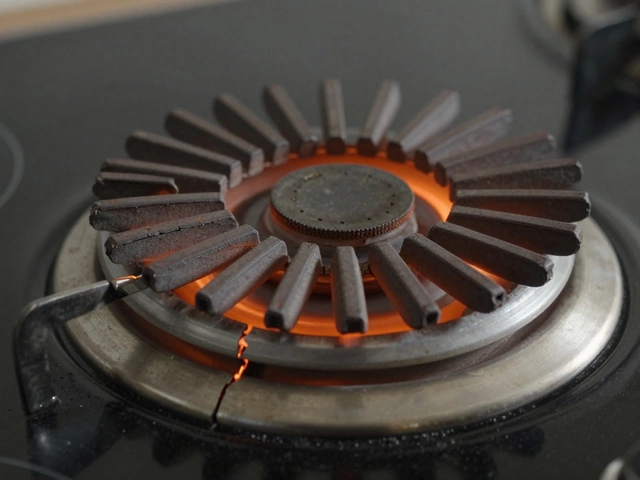
Learn how to tell if your electric stove element is bad with simple visual checks, multimeter tests, and common signs of failure. Save money by diagnosing and replacing it yourself.
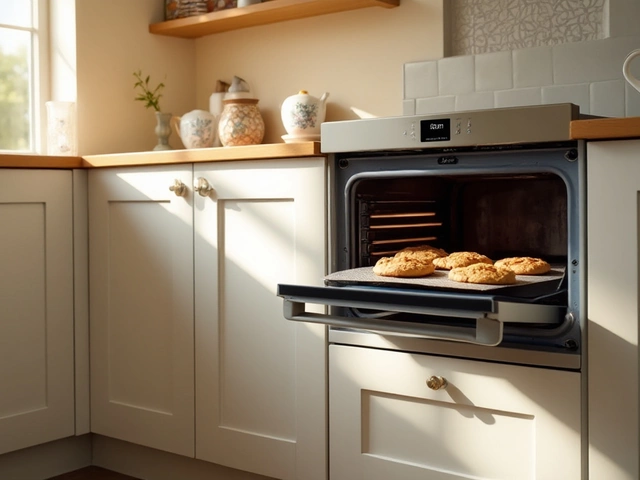
An electric oven is a staple in most kitchens, used for everything from baking cookies to roasting savory meals. Knowing how long an electric oven is expected to last can help homeowners budget and plan for replacement or repairs. This article explores the average lifespan of electric ovens, factors influencing their durability, and tips on maintenance to extend the life of the appliance. Understanding these aspects will aid in maximizing the utility and performance of your oven.

Looking for a reliable refrigerator that won't leave you struggling with frequent repairs? Discover which fridge brands are known for their durability and efficiency. This article breaks down the brands with the least reported problems, providing valuable insights from customer reviews and expert opinions. Learn practical tips on how to choose a fridge that suits your needs and keeps your kitchen running smoothly.