

If your fridge is getting warm, your heat pump isn’t blowing hot air, or a portable AC stops cooling, the compressor may have tripped. The good news is many compressors can be reset without a callout. All you need is a little know‑how, the right safety steps, and a bit of patience.
Compressors are the heart of cooling systems. They work hard, and when they sense a problem – like high temperature, low pressure or a short circuit – they shut down to protect themselves. This shutdown is called a “trip” and most modern units have a built‑in reset button or a simple power‑cycle method.
Typical reasons for a trip include:
When the cause is cleared, the compressor can be reset and will start again. If the problem keeps coming back, it’s time to call a qualified technician.
Fridge or freezer compressor
1. Unplug the fridge for at least five minutes. This clears any stored charge in the compressor.
2. While it’s unplugged, check the condenser coils at the back. Sweep away dust and debris with a vacuum brush.
3. Plug the fridge back in and listen for the compressor to click on. If it runs, the reset worked.
If the compressor still doesn’t start, look for a reset button on the back panel (often a small red or black button). Press it firmly once.
Heat pump or air‑source heat pump
1. Locate the indoor unit’s power switch and turn it off.
2. Find the reset button – many units have a recessed button near the control board. Use a pen tip to press it.
3. Wait 30 seconds, then turn the power back on. The system should run through a short start‑up cycle.
If the heat pump still won’t blow warm air, check the outdoor fan for ice build‑up. Melt any ice with a hair dryer on low heat, then try the reset again.
Portable air conditioner or window unit
1. Turn the unit off and unplug it.
2. Remove the front grille and clean the filter. A clogged filter forces the compressor to overheat.
3. Re‑assemble, plug in, and press the reset button (usually a small black button on the side).
4. If the unit powers up but still doesn’t cool, the thermostat may be stuck; set it to the lowest temperature and wait a few minutes.
Safety first
Never try to open the compressor housing yourself – the refrigerant can be dangerous, and you could void warranties. Always disconnect power before touching any component, and keep a fire extinguisher nearby just in case.
When you’ve followed the steps and the compressor still won’t start, it’s likely a deeper issue such as a failed motor, a refrigerant leak, or an electrical fault. At that point, give Bognor Regis Appliance Repair Experts a call. Their technicians can test the compressor, fix the fault, and get your appliance back to normal without you having to replace the whole unit.
Remember, a quick reset can save you time and money, but repeating the reset without fixing the root cause won’t help. Keep your coils clean, change filters regularly, and watch for unusual noises – these simple habits keep compressors happy and your home comfortable.
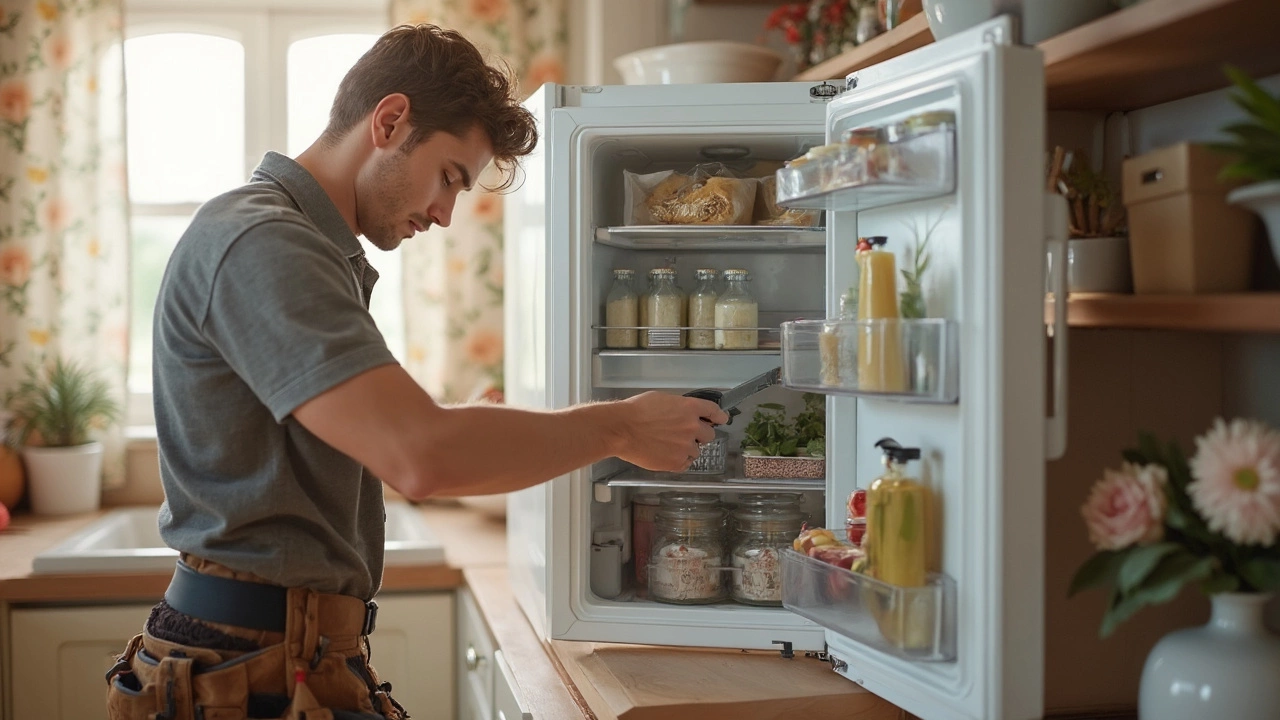
Resetting a freezer compressor may sound daunting, but it's an essential skill for maintaining your appliance's efficiency. Compressors can occasionally need a reset to function properly, potentially saving you from costly repairs or replacements. This article walks you through the steps to safely reset your freezer compressor and offers tips to prevent future issues. Understanding when and why to reset your compressor can keep your freezer running smoothly and extend its lifespan.

Thinking about repairing your cooker? This guide covers repair costs, when to fix or replace, and expert tips to help you decide what's best.
Discover if extractor fans wear out and learn their average lifespan. Identify signs of failure like noise and reduced airflow, and find out when to repair or replace your unit.

Looking for a reliable refrigerator that won't leave you struggling with frequent repairs? Discover which fridge brands are known for their durability and efficiency. This article breaks down the brands with the least reported problems, providing valuable insights from customer reviews and expert opinions. Learn practical tips on how to choose a fridge that suits your needs and keeps your kitchen running smoothly.

Ever wondered how long your trusty range oven will last? On average, a well-maintained range oven can serve you for about 10 to 15 years. Routine cleaning and minor repairs can help extend its lifespan. Knowing when to repair or replace your oven is crucial for efficiency and safety. Read on for practical tips to make sure your oven lasts as long as possible.

Curious if you can fix your boiler yourself? This detailed guide covers common boiler problems, easy repairs you can tackle, and when to leave it to the pros.