

When your fridge stops cooling or the washing machine starts making weird noises, the first question that pops up is – should I repair it or replace it? The answer hinges on the replacement cost. Knowing the real price you’ll pay for a new unit helps you avoid over‑spending and makes the decision clearer.
Several factors stack up the price of a new appliance. Brand reputation is a big one – a high‑end brand can be 30‑50% pricier than a reliable mid‑range option. Size and capacity matter too; a large, energy‑efficient fridge will cost more than a compact model. Energy ratings also affect price – a better‑rated unit usually has a higher upfront cost but saves on bills. Finally, installation fees, removal of the old unit, and any required modifications to plumbing or wiring add to the total.
Start with the repair quote. If a qualified tech says fixing the problem will set you back 30‑40% of the price of a new appliance, repair is usually worth it. Anything above 50% starts to look like a replacement, especially if the unit is already 8‑10 years old. Age is a good rule of thumb: most appliances have a typical lifespan – washers 8‑12 years, fridges 10‑15 years, ovens 12‑15 years. If you’re past those numbers, expect more breakdowns and higher repair bills.
Another tip is to check the part cost. A cheap part may make the repair cheap, but a proprietary component can push the price up quickly. When the part itself costs as much as a new machine, replacement makes sense.
Don’t forget hidden costs. A brand‑new fridge often comes with a warranty, while a repaired unit usually has a limited guarantee on the work done. If that warranty expires soon, you could be staring at another fix in a year.
To decide, write down the repair estimate, the price of a comparable new unit, and any extra fees. Compare the totals side by side. If the difference is less than £200, repair is the logical choice. If the gap widens, start looking at replacement options.
One more thing – energy efficiency. Modern appliances use up to 30% less electricity than models from a decade ago. Even if the replacement cost is higher, the lower running costs can pay off in a few years.
In short, weigh the age, part cost, warranty, and energy savings. Use those numbers to see whether repairing or replacing gives you the best bang for your buck.
When you’re ready to buy, shop around online and in‑store. Look for sales, clearance items, or open‑box deals – they can shave a few hundred pounds off the price. Also, ask the retailer about free delivery or disposal of the old unit; many offer that as part of the package.
Bottom line: understanding replacement cost isn’t just about the sticker price. It’s about the total cost of ownership, including repair history, energy use, and future reliability. Keep these points in mind, run the quick math, and you’ll make a decision that saves you money and stress.
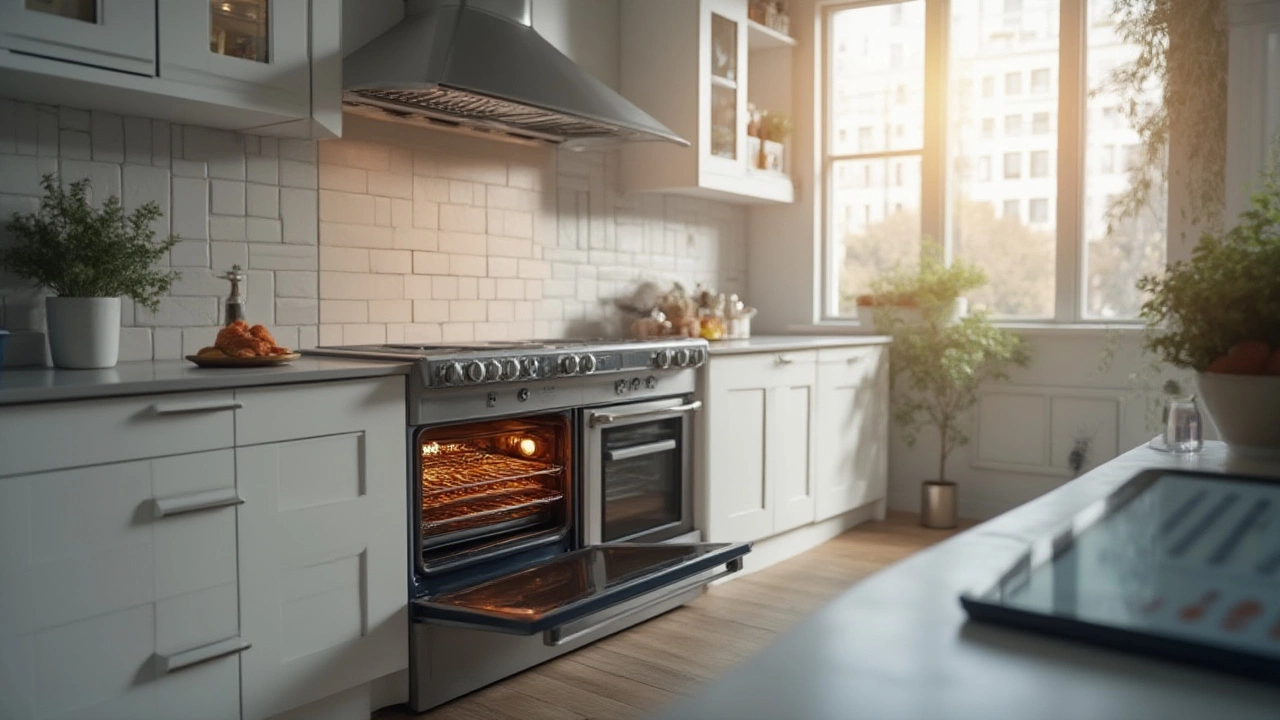
Need to replace your electric oven element? Find out how much it costs, what affects the price, and the best options for repairing your oven in 2025.
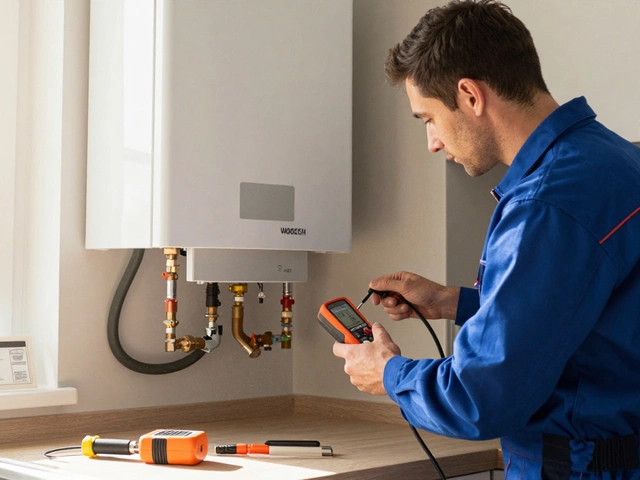
A typical boiler service takes 60 to 90 minutes, but older or neglected systems may require 2-3 hours. Regular annual servicing prevents breakdowns, improves efficiency, and keeps warranties valid. Always choose a plumber who tests gas safety and provides a written report.

Ever wonder if switching your boiler on and off harms it? This article unpacks how boilers handle frequent power cycles, what really wears them out, and when switching off could save you cash or cause problems. Find out the best ways to run your boiler for both safety and savings. Practical tips and real facts—all in plain English. Avoid costly repairs by knowing how to treat your boiler right.
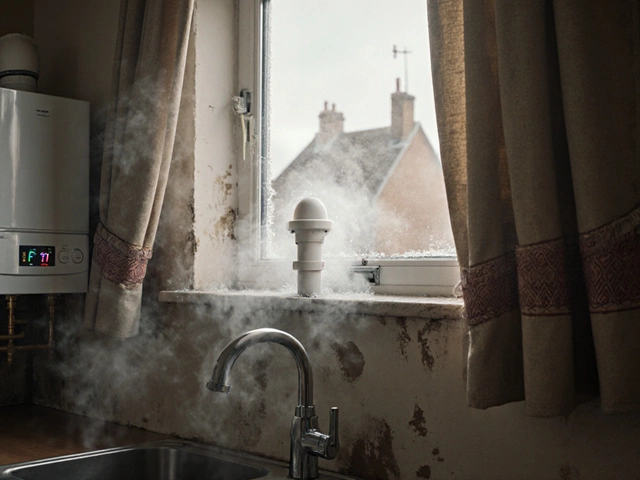
Your hot water stopped suddenly? This guide breaks down the top 7 causes - from low pressure to frozen pipes - and shows you how to fix them yourself before calling a plumber.

Ever wondered who foots the bill for boiler service in your home? This article delves into the responsibilities of homeowners and landlords when it comes to boiler maintenance. It offers practical tips for navigating service agreements and highlights some surprising facts about cost-savings that effective maintenance can offer. Discover insights and advice on ensuring your boiler runs smoothly without burning a hole in your wallet.

Neglecting boiler maintenance can lead to a series of unfortunate events, from reduced heating efficiency to costly breakdowns. A neglected boiler could become a safety hazard, potentially increasing the risk of carbon monoxide poisoning. Regular servicing can enhance your boiler’s longevity, ensuring a warm home environment during cold spells. Discover why these routine check-ups are more crucial than many realize and learn how they can save you from avoidable expenses.