

Ever stare at a broken oven, a noisy washing machine, or a cold fridge and wonder if you should call a pro or just buy a new one? It’s a common dilemma. The answer isn’t always obvious, but a few simple checks can save you time, money, and hassle.
First, look at how old the appliance is. Most washing machines and dishwashers last about 10‑12 years, while ovens and fridges can push 15 years with good care. If your device is well past its expected lifespan, replacing it often makes more sense than pouring money into a fix.
Next, get a quick repair quote. A minor part, like a broken oven element or a faulty hob burner, usually costs under £100. If the quote is close to or higher than half the price of a new unit, replace it. For bigger jobs – a compressor in a fridge or a motor in a heat pump – the repair can climb quickly, so compare the cost against a new model.
Older appliances tend to use more electricity. A new fridge or heat pump can be up to 30 % more efficient, lowering your bills and carbon footprint. When you’re already spending a lot on a repair, it’s worth asking if a newer, greener model would save you money in the long run.
Safety is another factor. A faulty boiler, water heater, or electrical oven can be dangerous if not fixed properly. If the problem involves major electrical or gas components, it’s often safer to replace the unit and get a certified professional to handle the installation.
Finally, think about how often the issue occurs. If you’ve fixed the same problem multiple times – a dishwasher that keeps leaking or a heat pump that won’t blow warm air – the appliance may have a deeper design flaw. In that case, replacement is usually the smartest move.
To sum up, weigh age, repair cost, energy savings, safety, and repeat issues. Use these simple questions: Is the appliance near the end of its typical life? Is the repair price more than half a new one? Will a new model be more efficient or safer? If you answer yes to most, it’s time to replace.
Remember, you don’t have to decide alone. A quick call to a trusted local repair service can give you a clear estimate, and they can also advise on the best time to upgrade. Whether you end up fixing a hob element yourself or swapping out an old heat pump, you’ll feel confident knowing you made the right choice for your home and wallet.

Is fixing a 4-year-old dishwasher actually worth it? Get honest advice, money-saving tips, and clear facts for making the smartest call.

Deciding whether to repair or replace a refrigerator can be a puzzling task for most homeowners. Factors like the age of the fridge, the cost of repairs, and energy efficiency play crucial roles in this decision. Getting a new fridge might seem attractive with the latest features, but sometimes repairing your old one is the better choice. Before making a move, it’s essential to weigh the pros and cons to make an informed choice.
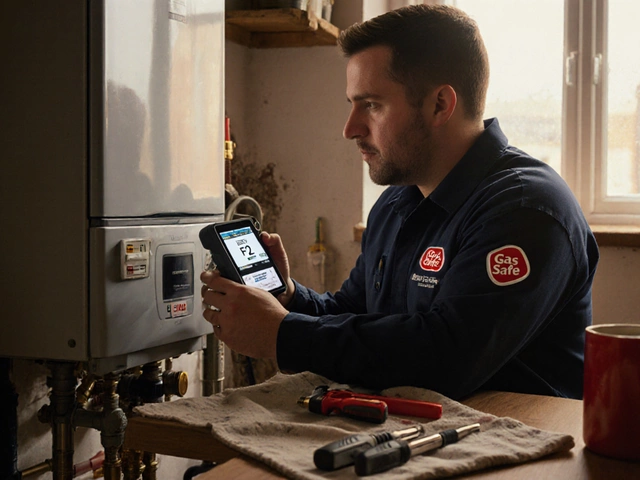
Not all plumbers can fix boilers-only Gas Safe registered engineers can legally work on gas systems. Learn when to call a plumber vs. a heating engineer, how to verify qualifications, and what to expect from a boiler service.
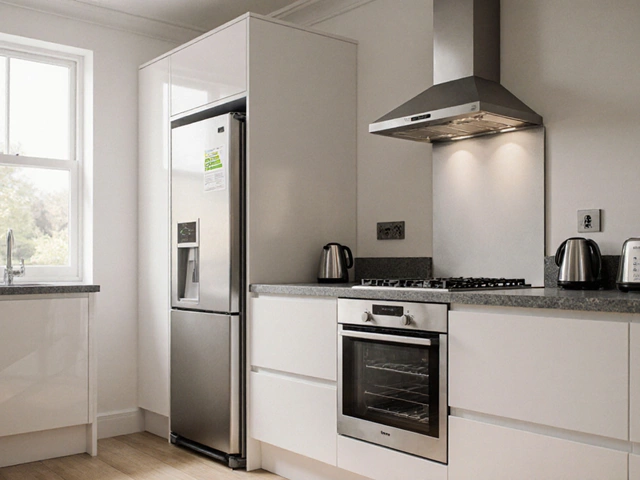
Learn what qualifies as an appliance in UK homes, including major vs. small appliances, what doesn't count, and why the distinction matters for repairs and insurance. Clear, practical guide for homeowners.
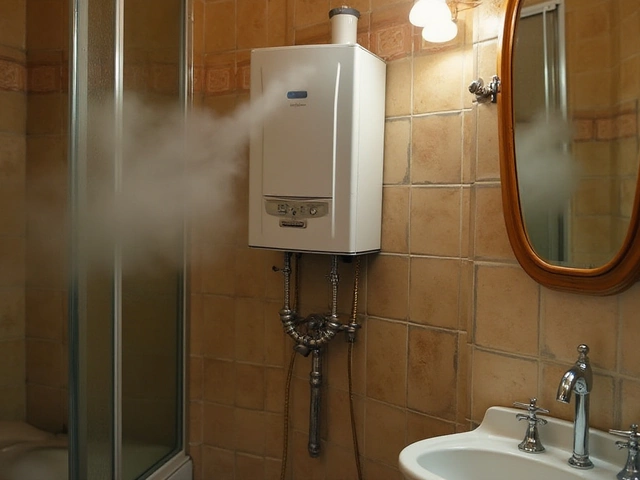
When your hot water heater isn't supplying the steamy showers you're used to, it might be due to a faulty heating element. This article dives into common indicators of a malfunctioning water heater element, such as unusual noises, inconsistent water temperatures, and an unexpected spike in your energy bills. You'll learn how to diagnose potential issues and gather insights on troubleshooting these problems. While some fixes might require professional expertise, understanding the basics can help you pinpoint the root of the problem and decide the best course of action. Get ready to reclaim your warm water comfort!

A malfunctioning freezer can be a headache, particularly when it involves the compressor. Understanding whether it's worthwhile to replace a compressor requires consideration of several factors, including cost, age, and efficiency. This article breaks down the key elements for deciding if compressor replacement is the best route. With practical advice and insider tips, you'll gain clarity on making an informed decision for your appliance.
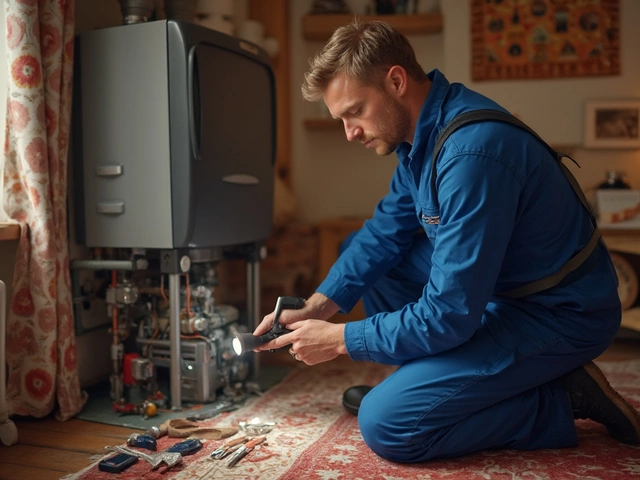
Regular boiler servicing is crucial to ensure safety and efficiency in home heating systems. A comprehensive service involves thorough inspections and cleaning, enhancing performance and extending the lifespan of the unit. Areas covered include checking the burner, inspecting the flue, and ensuring controls work correctly. Routine servicing helps prevent breakdowns and identifies potential issues early. Understanding what's involved can help homeowners make informed decisions and maintain reliable heating.