

Got a noisy washing machine, a cold oven, or a fridge that won’t chill? You don’t always need to call a technician. Most household appliances have a few easy fixes that anyone can try. Below are practical repair tips that save time, money, and the stress of waiting for a service call.
Before you grab tools, make sure the appliance is properly plugged in and the circuit breaker hasn’t tripped. A loose plug or a blown fuse is the most common cause of “not working” complaints. Next, inspect any visible filters or limescale build‑up. A clogged filter in a dishwasher or a dirty condenser in a fridge can choke performance. Cleaning it out with warm, soapy water often restores normal operation.
For electric ovens or hobs, check the heating element. A quick visual inspection can reveal a broken coil or burn marks. If the element looks damaged, it’s usually a straightforward replacement – just turn off the power, remove the screw caps, and swap the part. Most online stores have the exact match, and the price is a fraction of a service call.
Washing machine won’t spin. First, verify the door lock engages correctly – most machines won’t spin if the door thinks it’s open. Then, look at the supply hoses; a kinked hose can starve the drum of water, preventing spin cycles. If water fills but the machine still stalls, the lid switch or drive belt may need replacement. Both are inexpensive and can be fixed in under an hour.
Fridge not cooling but the light works. Start by cleaning the coils at the back or underneath the fridge. Dust reduces heat exchange efficiency, making the compressor work harder and sometimes stop. Also, ensure the temperature setting isn’t accidentally set too high. If you hear the compressor hum but the interior stays warm, a faulty thermostat could be to blame – swapping it out is cheap and often solves the issue.
Hot water heater producing cold showers. A common culprit is sediment build‑up inside the tank, which insulates the heating element. Flushing the tank once a year removes the sludge and improves heating. If flushing doesn’t help, test the thermostat and heating element with a multimeter; replace whichever fails the continuity test.
When dealing with heat pumps, watch for reduced airflow. A blocked filter or frozen coil can make a heat pump stop blowing warm air. Turn off the unit, melt any frost with a hair dryer, and clean the filter. If the problem persists, the refrigerant level might be low – that’s a job for a certified technician.
Remember, safety comes first. Always disconnect power before opening electrical components, and wear gloves when handling sharp parts. If a repair feels beyond your comfort level – especially with gas‑related appliances like boilers – call a qualified professional. A quick call can prevent bigger, costlier problems down the line.
These repair tips cover the most frequent hiccups you’ll encounter at home. By tackling the easy fixes yourself, you keep appliances running longer and avoid unnecessary service fees. Keep this guide handy, and you’ll feel more confident the next time something stops working.
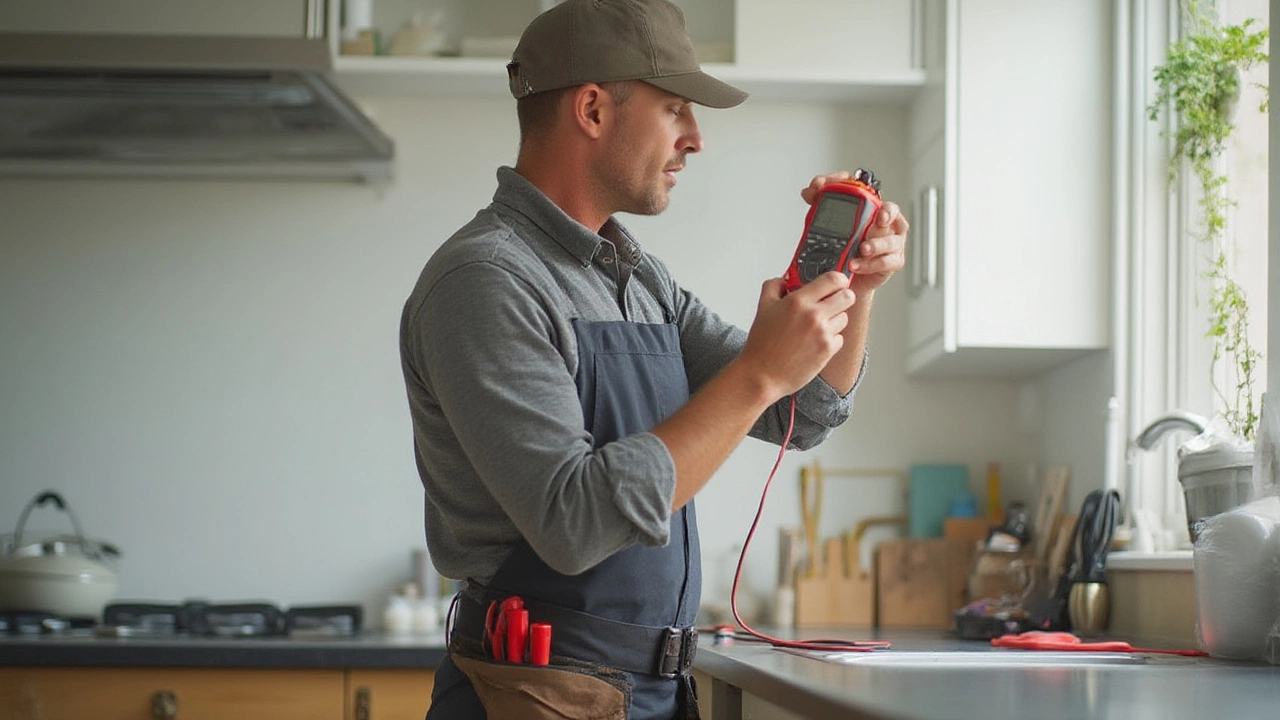
Wondering who fixes extractor fans? Find out which trade has the right skills, top repair tips, and practical advice for solving extractor fan issues fast.

Ever got frustrated with cold showers while waiting for your hot water heater to get fixed? This article breaks down how long it really takes to repair different types of water heaters, from common issues you can fix yourself to problems that call for a pro. You'll learn what affects the repair timeline, plus some quick tips to speed things up. No more second-guessing if you’ll be stuck with icy water all day. Get the facts so you can plan around your next repair.

Microwave suddenly dead? It might be the fuse. This article breaks down the real cost of repairing a microwave fuse—parts, labor, hidden fees, and whether you should DIY. You'll get practical tips on when to call a pro, what brands cost more, and how to avoid common mistakes. A straightforward guide to help you fix your microwave without overspending.

Get to know the four appliances that no modern home can do without, why they matter, and how to keep them working smoothly. Discover easy maintenance tips, signs of trouble, and smart ways to save money on repairs. If you want your home to run without a hitch, paying attention to these basics is a must. This article makes home appliance care straightforward and stress-free. No fluff, just practical advice you can actually use.

Boilers are the unsung heroes of many homes, tirelessly keeping us warm through the coldest months. But how long can these mighty machines really last? This article delves into the factors affecting boiler lifespan, maintenance tips for longevity, and whether hitting the five-decade mark is realistic. Learn about the signs of wear and when it might be time for an upgrade.

When it comes to kitchen convenience, dishwashers are hard to beat. They free up our time, reduce water and energy use, and help keep our kitchenware sparkling clean. But how long should one really expect a dishwasher to last? This article will explore average lifespans, key factors affecting longevity, and practical tips for extending the life of your trusty machine, ensuring you get the most value and efficiency.
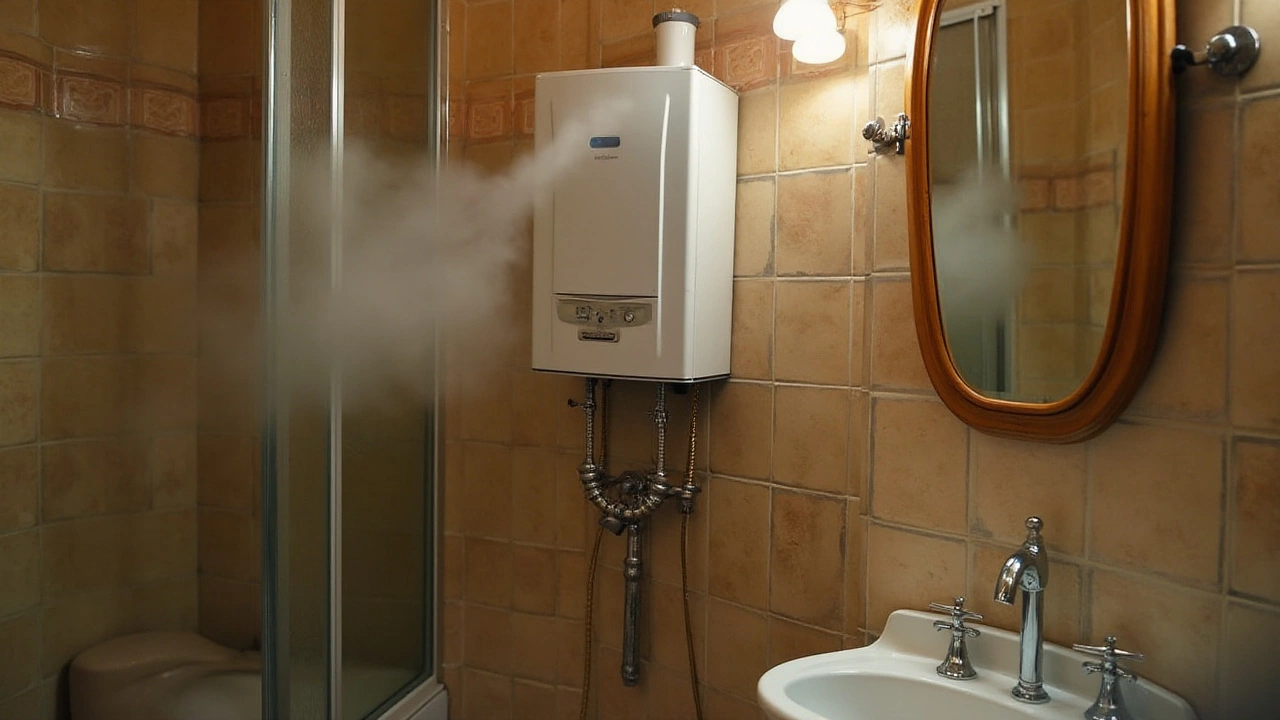
When your hot water heater isn't supplying the steamy showers you're used to, it might be due to a faulty heating element. This article dives into common indicators of a malfunctioning water heater element, such as unusual noises, inconsistent water temperatures, and an unexpected spike in your energy bills. You'll learn how to diagnose potential issues and gather insights on troubleshooting these problems. While some fixes might require professional expertise, understanding the basics can help you pinpoint the root of the problem and decide the best course of action. Get ready to reclaim your warm water comfort!
Deciding whether to repair or replace your hot water heater can feel overwhelming. This article explores practical considerations, including the age of the unit, repair costs, and long-term benefits. By understanding essential factors like energy efficiency and potential savings, homeowners can make informed decisions. Discover useful tips and interesting facts to help you choose the best course of action for your specific situation.

Navigating the decision between repairing or replacing a 10-year-old stove can be challenging. This article explores various factors including repair costs, the longevity of appliances, and energy efficiency to help homeowners make an informed decision. Additionally, it provides tips and insights on evaluating stove performance and when professional help is warranted. Readers will gain a comprehensive understanding of the practical steps they can take if they find themselves in a similar situation.
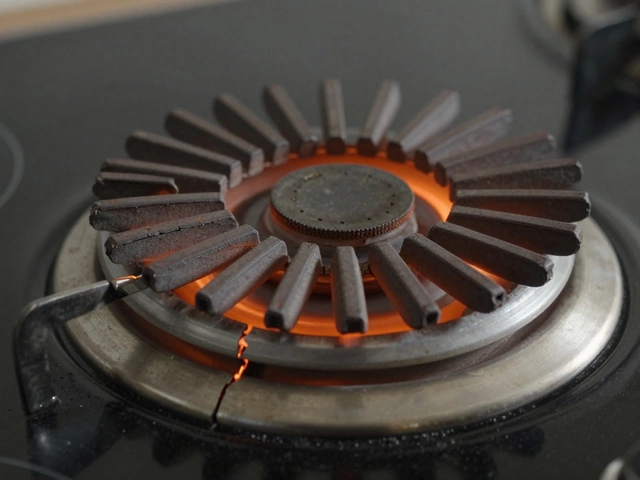
Learn how to tell if your electric stove element is bad with simple visual checks, multimeter tests, and common signs of failure. Save money by diagnosing and replacing it yourself.

Discover how to ensure your water heater is in proper working condition with this detailed guide. Learn to identify signs of malfunction, perform essential maintenance tasks, and understand common issues that may arise. Whether it's electric or gas, having a reliable water heater is crucial for every home. Keep your heater running smoothly with practical and safety-focused advice.

Stuck with a broken boiler and a cold house? This guide shares quick, practical steps to keep your home warm without a working boiler. Learn about safe heating alternatives, ways to trap heat, and smart tricks for getting through chilly nights. Find out what to avoid, when to call a professional, and how to prep for future breakdowns. Perfect for homeowners who want to stay safe and comfortable during a boiler emergency.