

Ever wonder why your fridge starts acting up after a few years while your oven seems fine? The answer often lies in how often each appliance gets a proper check‑up or repair. Knowing the typical repair frequency helps you plan budgets, avoid surprise breakdowns, and get the most out of your gadgets.
First off, usage matters a lot. A washing machine that runs three loads a week will wear out faster than one used once a week. Age is the next big factor – older models usually need more attention because parts wear out and technology gets outdated. The quality of the original install also plays a role; a poorly wired oven will trip circuits sooner.
Another hidden driver is maintenance habits. Skipping a yearly boiler service or never cleaning your dryer’s lint filter can double the chance of a fault. Finally, the brand and model matter. Some manufacturers design appliances for a longer life, while cheap knock‑offs may start failing after just a couple of years.
Washing machines: Expect a minor repair (like a hose leak) about every 4‑5 years. Major issues such as motor failure often show up after 8‑10 years. Look for noisy spins, water leaks, or error codes as early warnings.
Dishwashers: Minor fixes (clogged spray arms, door seal wear) usually appear around the 3‑4 year mark. A full‑scale breakdown, like a pump failure, tends to happen after 7‑9 years. If dishes are still wet after a cycle, it’s time to check the drainage.
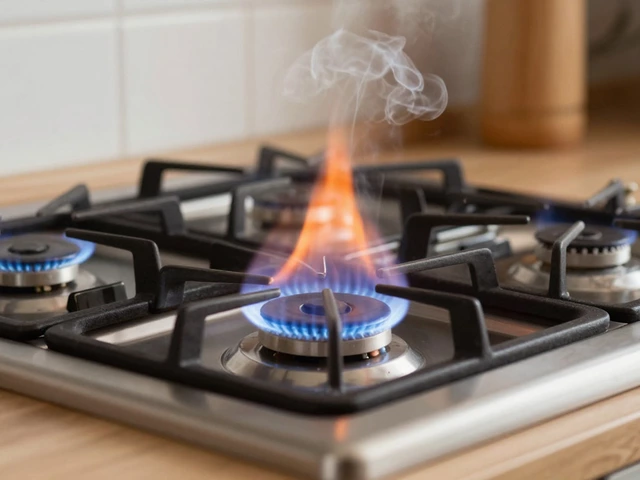
Electric ovens and hobs: Heating element failures are common after 6‑8 years of hot cooking. If the oven won’t heat or one burner is dead, replace the element before it messes up other parts.
Heat pumps and boilers: These are built to last longer, but a regular service every 12 months can push the next major repair to 12‑15 years. Watch for odd noises, reduced heating output, or error codes on the control panel.
Extractors and fans: Kitchen or bathroom fans usually need a belt or motor replacement every 5‑7 years, especially if they run continuously. Dust buildup will make them louder and less efficient.
Remember, the numbers above are averages. Your experience may differ based on how you use each appliance and how well you maintain them.
So what can you do today? Start a simple log: note the purchase date, any repairs, and when you last serviced each item. A quick spreadsheet or even a note on your phone can save you a lot of headaches later. When a problem pops up, check the warranty – many issues are covered for the first few years.
Finally, don’t wait until a small glitch becomes a huge repair bill. A quick call to a local expert, like Bognor Regis Appliance Repair Experts, can often fix the issue before it spreads. Regular check‑ups, cleaning filters, and watching for early warning signs are the cheapest ways to extend the life of your home’s appliances.

If you’re shopping for a new electric oven or worried about breakdowns, brand reliability matters big time. This article looks at which appliance brands have the fewest reported repairs, backed by recent repair data and real user experiences. You’ll see how different brands compare, which models tend to last, and when it makes sense to spend a little more upfront. Plus, you’ll pick up tips to keep your oven running smoothly, no matter which badge it wears. Everything’s packed in with real talk—no fluff to wade through.

Find out when fixing a 15‑year‑old oven makes sense, compare repair costs with buying new, and learn safety, energy and environmental factors to help you decide.
A short summary for the article based on the topic. You need to write a summary with up to 5 sentences or 160 symbols that covers the provided topic. Try to write the most human text.

Boiler servicing is an essential aspect of home maintenance that ensures safety and efficiency. While it might seem tempting for homeowners to attempt servicing their own boilers, it's crucial to understand the complexities and risks involved. This article explores whether boiler maintenance can be a DIY project, providing key tips and insights. It offers guidance on what aspects are safe to handle on your own and when to call in a professional.

Extractor fans play a pivotal role in maintaining air quality in kitchens and bathrooms by expelling moisture, odors, and smoke. If your extractor fan suddenly stops working, it can lead to persistent humidity or unpleasant smells. This guide provides practical steps for diagnosing and fixing common issues that can cause an extractor fan to malfunction. From checking power supply and fuses to cleaning and replacing parts, understanding the intricacies can save you time and money. By following these steps, you can restore your extractor fan’s functionality and maintain a comfortable home environment.
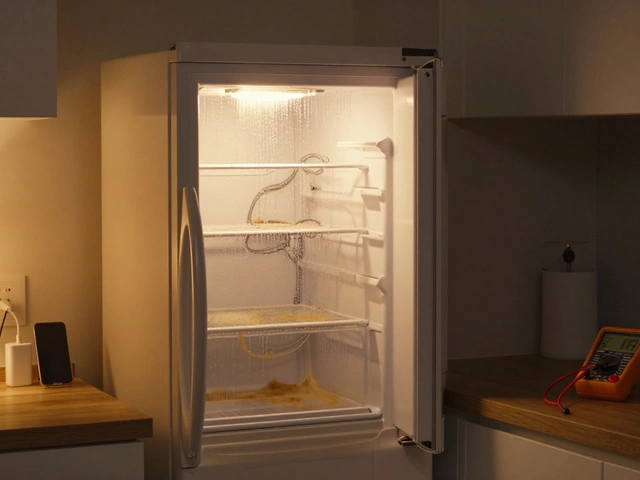
Your fridge suddenly stopped cooling? It's not magic-it's usually a simple fix. Learn the top 6 reasons why fridges fail and what to do before calling a repairman.