

Ever wonder why some appliances seem to last forever while others give up after a few years? The difference usually comes down to reliability – how well a device holds up under normal use. In the Bognor Regis area we see a lot of broken ovens, noisy washing machines, and leaky water heaters, and most of the problems are preventable with a bit of care.
When an appliance is reliable, you spend less time worrying about it and more time using it. A reliable fridge keeps food fresh, a reliable dishwasher finishes cycles without leaks, and a reliable boiler keeps the house warm on chilly nights. Reliable devices also cost less in the long run because you avoid expensive repairs or replacements.
Unreliability often shows up as strange noises, inconsistent performance, or a sudden loss of function. Those signs are clues that something inside is wearing out, and catching them early can stop a small issue from becoming a big one.
Here are the most effective habits you can adopt right now:
1. Follow the manufacturer’s maintenance schedule. Most manuals recommend cleaning filters, checking hoses, and wiping down surfaces every few months. Skipping these steps lets dust and grime build up, which strains motors and reduces efficiency.
2. Keep the area around the appliance clear. A dishwasher needs space for proper ventilation, a fridge needs room for air to circulate, and a washing machine benefits from a flat, stable floor. Crowded spaces trap heat and cause components to overheat.
3. Look for early warning signs. If your oven takes longer to heat, your heat pump isn’t blowing warm air, or your water heater needs frequent resets, note it immediately. A quick call to a local repair expert can often fix the issue before it requires a full part replacement.
4. Use the right power source. Plugging a high‑wattage appliance into an undersized socket can cause tripping breakers and damage internal circuitry. Always match the plug to the appliance’s voltage and amperage rating.
5. Schedule annual professional checks. A qualified technician can spot worn bearings, leaking seals, and failing heating elements that you might miss. Regular service extends the life of boilers, heat pumps, and even electric ovens.
By adding these habits to your routine, you’ll notice fewer breakdowns and lower repair bills. If you do run into an issue you can’t solve yourself, reach out to a trusted Bognor Regis repair service – they have the tools and experience to restore reliability quickly.
Remember, reliability isn’t a mystery; it’s the result of simple, consistent actions. Keep your appliances clean, check for odd behavior, and let professionals handle the tough jobs. Your home will run smoother, and you’ll save time and money in the process.

Curious which washing machine brand stands up best to repairs and everyday wear? This article digs into brand reliability, repair costs, and little-known tips every washing machine owner should know before buying or fixing one. You'll get the real scoop on which brands are easiest to fix, which have the cheapest parts, and what actually ends up causing most breakdowns. Whether you've had bad luck with machines before or just want a smooth laundry routine, this guide breaks it all down. No bias, just straight talk based on what actually happens when these things break.

Ever got frustrated with cold showers while waiting for your hot water heater to get fixed? This article breaks down how long it really takes to repair different types of water heaters, from common issues you can fix yourself to problems that call for a pro. You'll learn what affects the repair timeline, plus some quick tips to speed things up. No more second-guessing if you’ll be stuck with icy water all day. Get the facts so you can plan around your next repair.
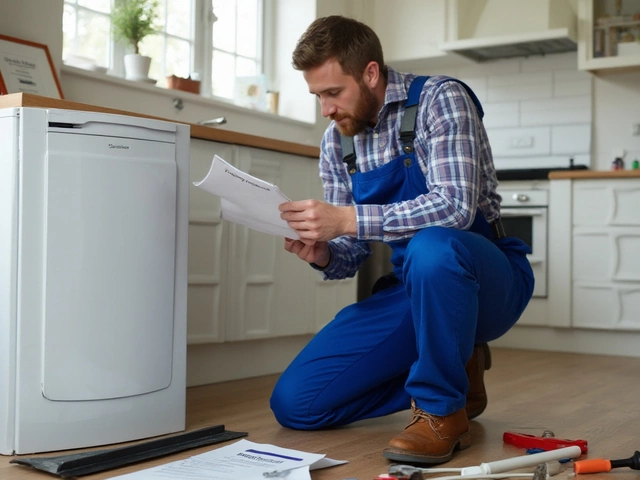
Plumbers are often the go-to professionals for a wide range of home repairs, but when it comes to boilers, it's essential to know their scope of work. This article delves into whether plumbers can actually handle boiler installations and replacements. You'll uncover what specific skills and certifications are required for boiler work, why hiring a specialized heating engineer may be recommended, and the potential risks of using underqualified technicians. Whether you're considering a new boiler or need an existing one serviced, understanding who is best suited for the task is crucial.

Wondering how often you should replace your extractor fan? This article covers extractor fan lifespan, signs it's time for a change, maintenance tips, and why fresh air matters.
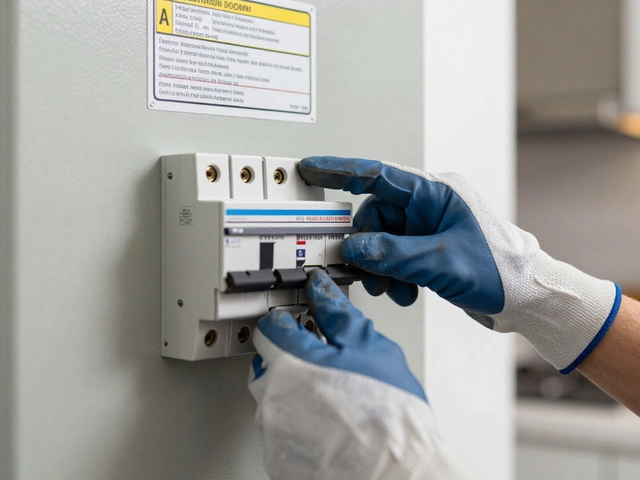
Learn how to safely fix a burnt electric hob by checking the element, testing with a multimeter, replacing parts, and preventing future damage. Avoid fire risks with these step-by-step tips.

Discover if electric hobs can be fixed, cost breakdowns, DIY steps, safety tips, and when to replace. A practical guide for UK homeowners.