

If the light inside your fridge is on but nothing’s getting cold, you’re probably frustrated. Don’t worry – most fridge problems are simple to spot and fix. Below you’ll find the most common reasons your refrigerator stops cooling and easy steps you can try before calling a repair expert.
First, check the power. A tripped circuit breaker or a loose plug can make the whole unit quit without any obvious sign. If the fridge still runs but stays warm, the thermostat could be set too high or be faulty. Many people forget to adjust the dial after a power outage, so give it a quick glance.
Next, look at the door seals. A torn or dirty gasket lets warm air creep in, forcing the compressor to work harder. Run a finger around the seal; if you feel air or see visible cracks, clean the edge with warm, soapy water or replace the gasket.
Dust on the condenser coils is another silent culprit. Coils sit at the back or underneath the fridge and need to stay clean for heat to escape. Over a few months, dust builds up and the unit can overheat, causing the cooling cycle to stop.
Inside the fridge, the evaporator fan circulates cold air. If the fan stops, the freezer may stay cold while the fridge stays warm. Listen for a humming sound; silence could mean a blocked fan or a motor issue.
Finally, a defrost timer or heater that’s stuck can cause ice to build up on the evaporator coils. This blocks airflow and makes the fridge feel like a warm box. You’ll often hear a clicking sound as the timer cycles – if it’s stuck, it may need a reset or replacement.
1. Reset the power. Unplug the fridge for two minutes, then plug it back in. This clears any electronic glitches and lets the compressor start fresh.
2. Adjust the thermostat. Set the dial to the middle position (usually 3-4). Wait 24 hours for the temperature to stabilize before tweaking again.
3. Clean the door seals. Warm water and a soft cloth are enough. For tough grime, a mixture of baking soda and water works well. Dry the seal thoroughly before closing the door.
4. Vacuum or brush the condenser coils. A coil cleaning brush or a vacuum with a narrow nozzle does the job. Do this every six months to keep efficiency high.
5. Clear the evaporator fan. Pull the fridge out, locate the fan (usually behind a panel in the freezer), and remove any debris. If the fan blades spin freely but you still hear no noise, the motor may need a check.
6. Defrost manually. If you see a thick layer of ice in the freezer, unplug the fridge and let it melt. Place towels to catch water, then dry and restart the unit.
If none of these steps bring the temperature back to normal, it’s time to call a professional. Issues like a worn compressor, refrigerant leak, or a broken defrost timer require specialist tools and expertise. Bognor Regis Appliance Repair Experts can diagnose the problem quickly and get your fridge humming again.
Keep these troubleshooting tips handy – a few minutes of DIY can save you a costly service call. And remember, regular maintenance (cleaning coils, checking seals) prevents most cooling failures before they start.
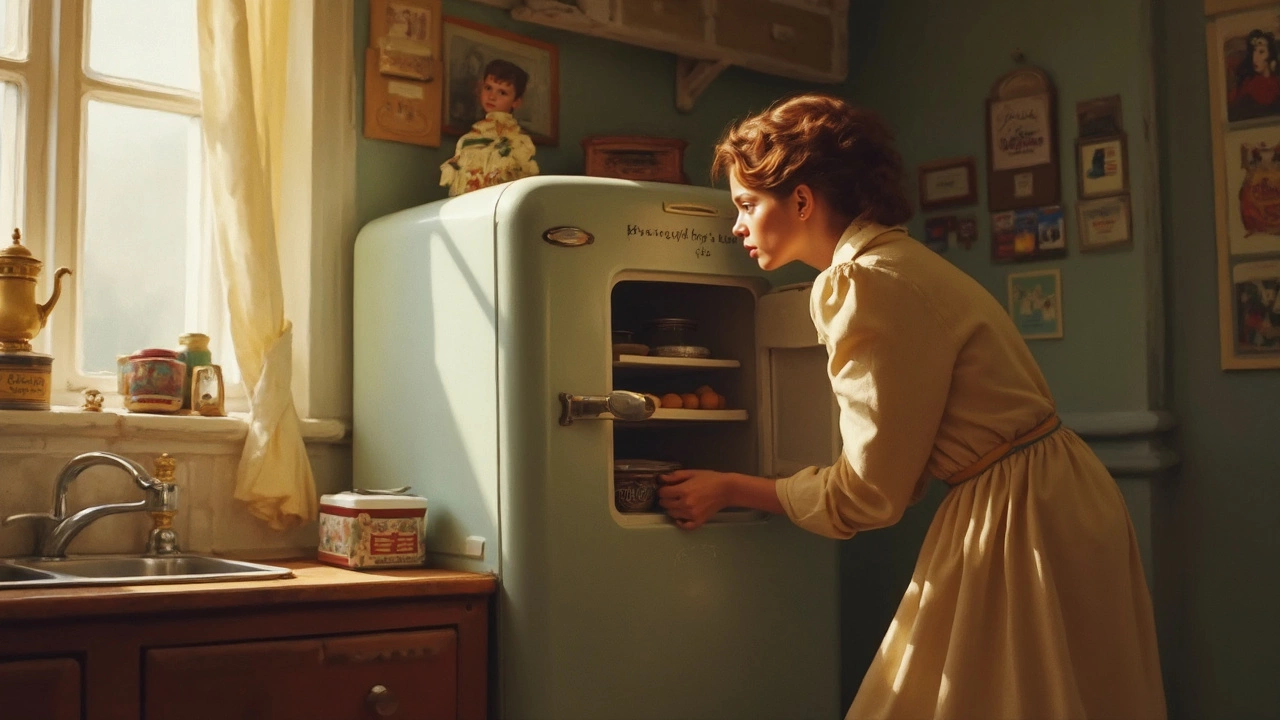
Fixing your fridge on your own can be a real money-saver if you know where to start. First, you've got to figure out what's actually wrong before grabbing your toolbox. With some basic tools and a little patience, you might just handle common issues like leaks, noisy operation, or poor cooling effectively. But sometimes, you also need to know when it's time to bring in a professional.

If your extractor fan has suddenly stopped working, it's not just annoying but can lead to bigger problems like excess moisture and lingering odors. This article will delve into common issues with extractor fans and provide practical solutions you can try at home. Learn about potential causes, from power supply problems to sensor malfunctions, along with straightforward fixes. Some tips might even save you from calling in a professional. Get your fan back up and running with ease!
Find out if a broken boiler always means no hot water. Learn common causes like diverter valve failure, low pressure, and how to troubleshoot your system.

When your water heater only puts out cold water, it’s more than just annoying—it can point to real problems inside the unit. This article breaks down the most common reasons behind a water heater that refuses to warm up, from tripped breakers to busted heating elements. You’ll find tips on quick checks you can do at home before calling a pro, plus some unexpected facts about how water heaters really work. Knowing what’s wrong can save you from a frigid morning shower and a giant repair bill. Get ready to tackle that cold water problem with practical advice you can use right away.

Wondering if you can change your kitchen extractor fan yourself? This guide covers steps, safety, tools, common mistakes, and installation tips for a smooth DIY experience.
Find out why your tumble dryer isn't spinning and learn step-by-step fixes for common dryer problems. Stay informed with practical tips and real solutions.