

If your range is acting up, you don’t have to panic. Most issues are caused by a few easy‑to‑spot problems that you can solve without a big bill. In this guide we’ll walk through the most common faults, the tools you’ll need, and when it’s smarter to call a pro.
Burner won’t light. First, check the igniter spark. If it’s dirty, turn off the power and clean it with a soft brush. Next, make sure the gas valve is fully open. If you still see no spark, the igniter may be cracked – replace it with a matching part.
Uneven heating. Often a clogged burner hole or a dried‑out flame sensor is to blame. Remove the burner, soak it in warm, soapy water, then rinse and dry. Re‑install and test. If the problem persists, the thermostat could be failing and will need a swap.
Oven stays cool. This usually points to a broken heating element. Pop the oven off its back panel, locate the element, and test it with a multimeter. No continuity means a new element is needed – it’s a cheap part and fits in minutes.
Control knob feels loose. Unscrew the front panel, tighten the mounting screws, and re‑attach the knob. If the knob still wiggles, the underlying switch might be worn out and should be replaced.
Doing it yourself saves money, but safety comes first. Only attempt repairs if you’re comfortable turning off gas or electricity and have basic tools – a screwdriver set, multimeter, and brush are enough for most fixes.
If you smell gas, hear a hissing sound, or the problem involves internal wiring, stop immediately and call a qualified technician. A professional will also have the right parts on hand and can guarantee the work, which is handy for older ranges that may need more extensive overhaul.
When you decide to DIY, keep these tips in mind:
If you’re unsure about any step, a quick call to a local repair service can save you hours of guesswork. Most companies, like Bognor Regis Appliance Repair Experts, offer a free diagnosis and can quote you before any work begins.
Bottom line: many range hiccups are quick fixes you can handle at home. With the right tools, a little patience, and a safety‑first mindset, you’ll have your stove back to sizzling in no time. And whenever you hit a wall, don’t hesitate to get a professional on board – a correctly repaired range is worth the peace of mind.

Figuring out whether to repair or replace a 10-year-old range can save money and hassle. This article explores cost considerations, common issues, and when to opt for repair versus replacement. Additionally, discover maintenance tips to extend your range’s life. Make informed decisions with a detailed look into repair pros and cons. Navigate the world of kitchen appliances with confidence.

Wondering what an appliance job really is? This article breaks down everything you need to know, from common types of jobs to what actually happens when a technician shows up at your door. You'll learn when to call for help, what to expect during a service visit, and how to get the best results for your money. Get practical tips before you book, so there are zero surprises. Whether it’s your fridge, washer, or oven acting up, this guide has your back.
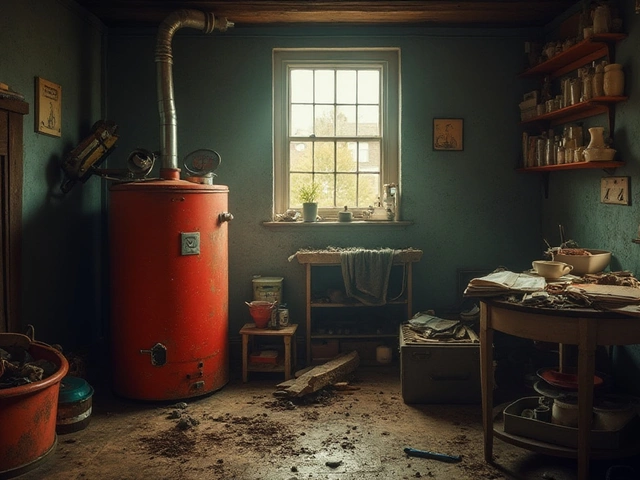
A 40-year-old boiler can pose potential safety risks. Understanding the wear and tear it undergoes over the decades is crucial. Regular maintenance and safety checks are essential to ensure it operates safely. Homeowners should consider the pros and cons of keeping such an old appliance. Discover tips and advice on making informed decisions regarding your boiler's safety and efficiency.
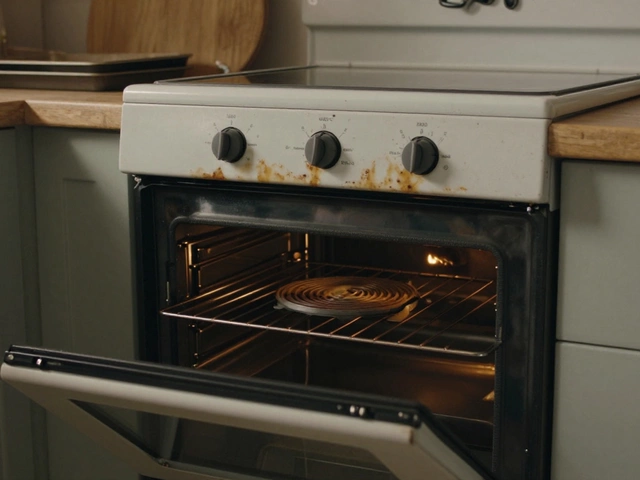
Deciding whether to fix or replace a 20-year-old oven? Learn real repair costs, energy savings, safety risks, and when it’s smarter to buy new. Practical advice for UK homeowners.
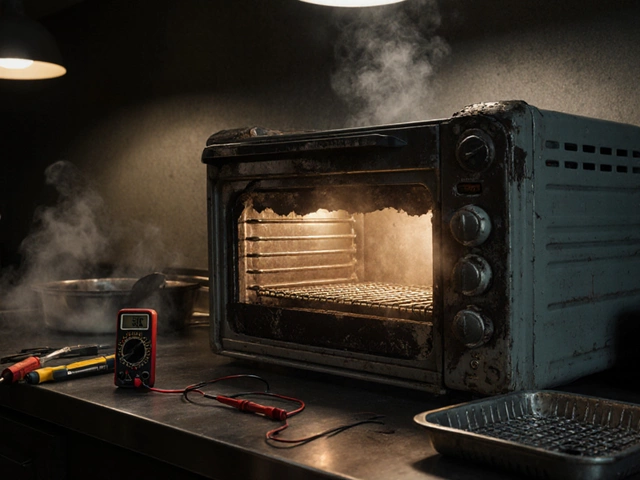
If your electric oven isn't heating, it's usually due to a broken element, faulty thermostat, or blown thermal fuse. Learn how to diagnose and fix the most common causes quickly and safely.
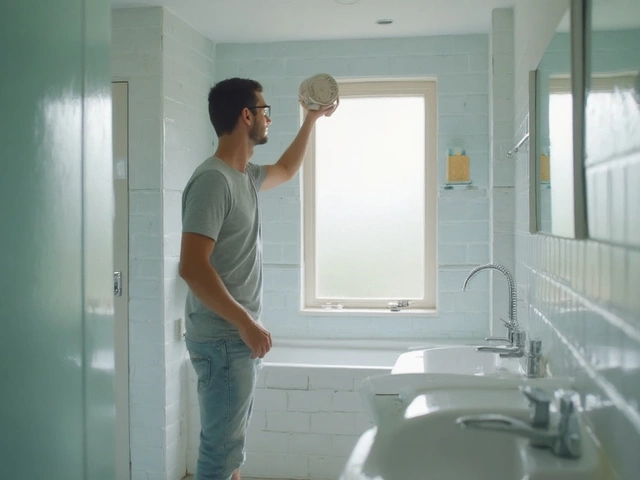
Nobody wants to deal with a stuffy bathroom or smoky kitchen, but if your extractor fan isn’t working, that’s exactly what you’ll get. This article shows you how to check if your extractor fan is doing its job or just taking up space. From simple power checks to quick airflow tests, you’ll learn hands-on methods anyone can use—no tech wizardry needed. Expect practical tips, a couple of helpful tricks, and signs that tell you when it’s time to call an expert. Don’t let stale air hang around: let’s figure out what your fan is up to.