

If your range oven is cold on the inside, the first instinct is to panic. You might think you need a brand‑new appliance, but most problems are simple and cheap to fix. Below you’ll find the most common reasons a range oven stops heating, step‑by‑step fixes you can do yourself, and clear signs it’s time to call an expert.
The most frequent culprit is a broken heating element. Whether you have an electric or gas range, the element can burn out after years of use. Look for a dark spot or a broken coil. If the oven still lights but stays cool, the thermostat or temperature sensor may be faulty. A tripped circuit breaker or a loose wire can also stop power from reaching the element.
Before you start, gather a screwdriver, a nut‑driver set, and the correct replacement element (check the model number on the oven’s door frame). Unplug the oven or switch off the circuit at the fuse box – safety first. Remove the oven door, locate the screws holding the element in place, and gently pull it out. Disconnect the wiring harness, note where each wire goes, then attach the new element the same way. Screw it back, re‑attach the door, restore power, and run a short test bake. If the oven heats, you’ve saved a lot of money.
Not comfortable with electricity? An electrician can handle the element swap safely, especially for gas‑powered ranges where ignition systems are involved. They’ll also check the oven’s wiring for hidden issues that could cause future failures.
Other quick checks include cleaning the oven’s interior fan (if it has one) and making sure the door seals properly. A broken door gasket can let heat escape, making the oven feel cool even when the element works.
When DIY isn’t enough, call a professional. Look for a local repair service that specializes in kitchen appliances. A qualified technician will diagnose sensor problems, replace thermostats, or repair gas ignition components. They’ll also test the oven after the fix so you know it’s safe to use.
Remember, regular maintenance helps prevent breakdowns. Wipe spills promptly, avoid using harsh chemicals on the heating element, and schedule an annual check‑up if your oven is over ten years old. Small actions now keep your range oven running smoothly for years.
Got a specific problem that wasn’t covered here? Our blog has detailed articles on electric oven troubleshooting, oven element replacement costs, and whether an electrician can fix your oven. Use those resources to get more detailed guidance before you pick up a tool.
In short, a cold range oven is usually a cheap fix. Identify the element, replace it safely, and you’ll be back to roasting, baking, and broiling without a huge bill. When in doubt, let a pro take a look – it’s better than risking a bigger repair later.
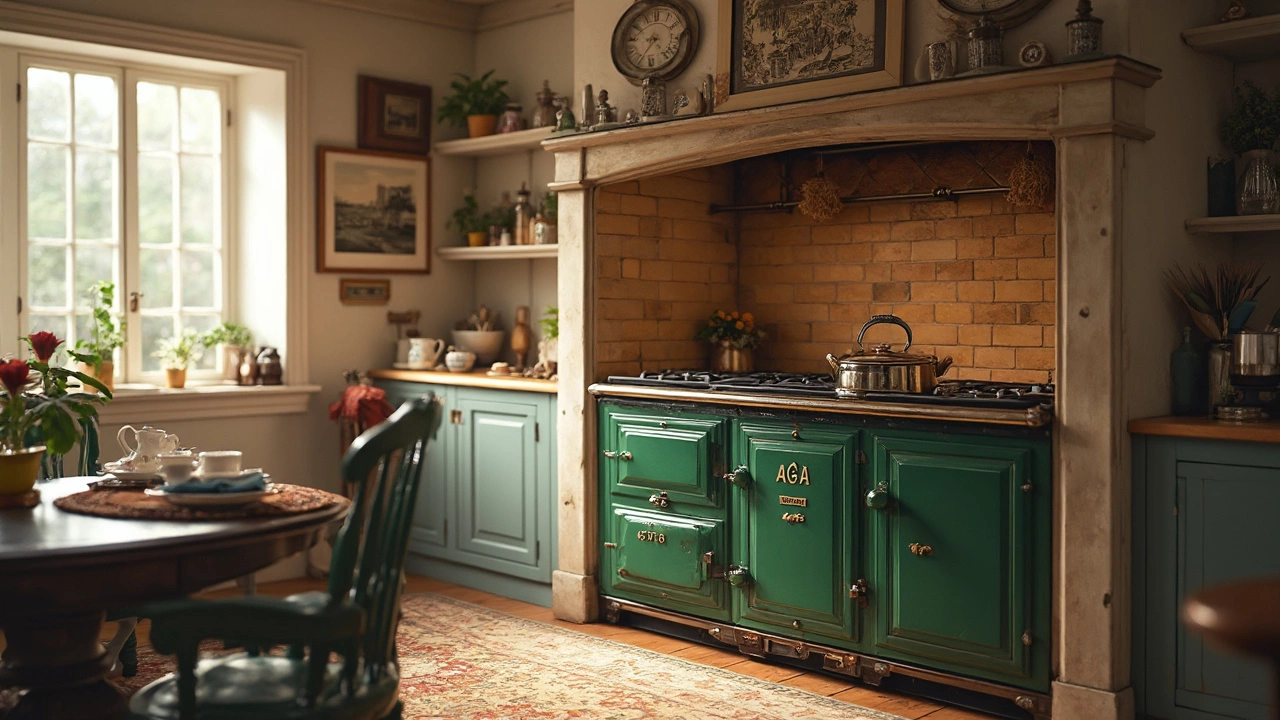
Ever wondered how long your trusty range oven will last? On average, a well-maintained range oven can serve you for about 10 to 15 years. Routine cleaning and minor repairs can help extend its lifespan. Knowing when to repair or replace your oven is crucial for efficiency and safety. Read on for practical tips to make sure your oven lasts as long as possible.
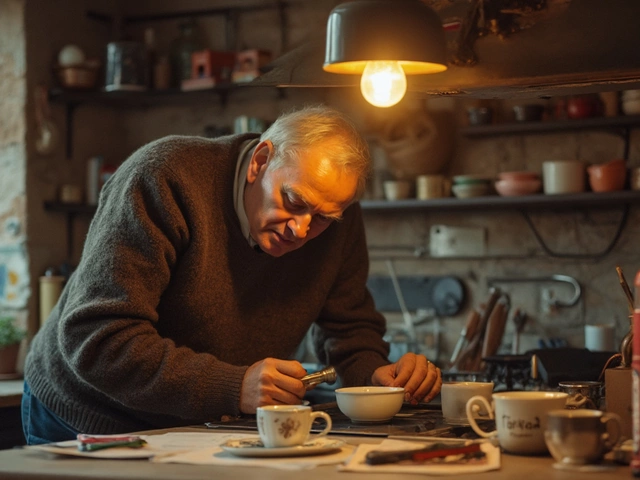
Fixing an electric stove might seem daunting, but many common issues are surprisingly manageable with a bit of know-how. From understanding why the burners aren't heating to recognizing if a problem needs professional attention, this article sheds light on various aspects of electric stove repair. Whether you're dealing with strange noises, faulty wiring, or a completely inoperative oven, we explore what’s usually repairable and what might require a replacement. With practical tips, learn to troubleshoot and potentially save on costly service calls.

Curious about how your home appliances actually work? Get a full breakdown of what happens inside, troubleshooting tips, and smart ways to keep everything running smoothly.
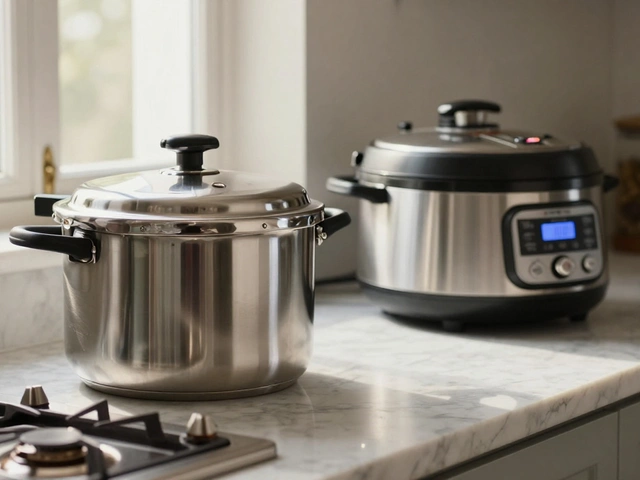
Discover how long pressure cookers last, comparing stovetop vs electric models. Learn signs of wear, repair options, and maintenance tips to extend lifespan safely.
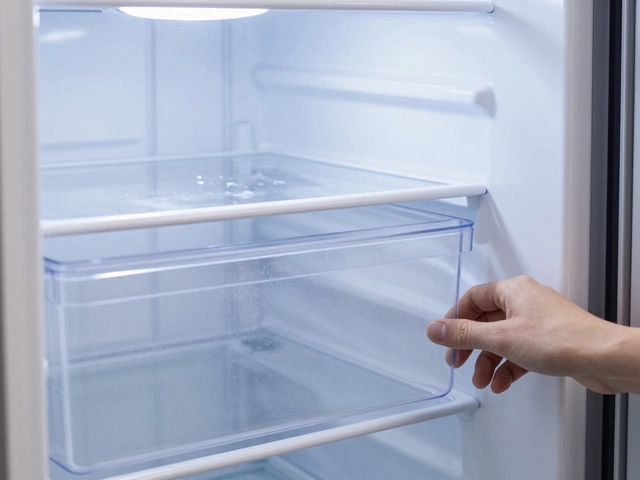
Is your freezer not making ice? Learn how to fix common issues like clogged filters, frozen water lines, and faulty sensors with this easy guide.
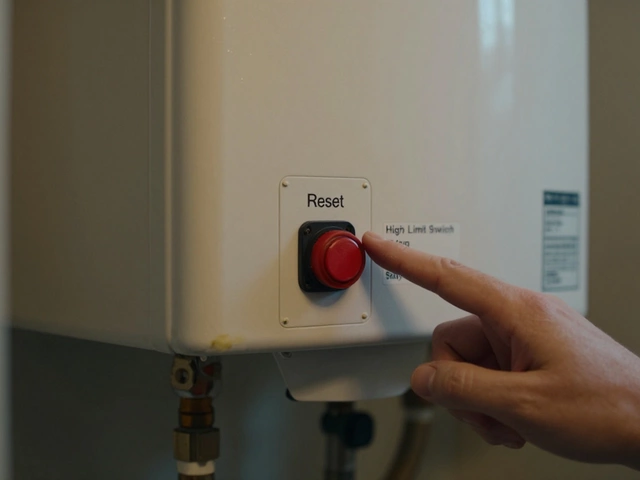
Discover why your hot water heater's reset button keeps tripping. Learn about failed thermostats, shorted elements, and sediment buildup, plus step-by-step fixes.