

When you see water pooling under your pressure relief valve, a safety device designed to release excess pressure in water heaters and boilers. Also known as a T&P valve, it’s not supposed to drip — and if it is, something’s wrong. This isn’t a minor annoyance. A leaking pressure relief valve is your system’s way of screaming for help. It’s trying to tell you that pressure or temperature inside your tank has gone too high, and if left unchecked, it could lead to a dangerous situation — or worse, a full tank failure.
Most of the time, the leak isn’t because the valve itself is broken. It’s because something else is pushing pressure beyond safe limits. Common causes include a faulty thermostat, the component that controls water temperature in electric water heaters, a malfunctioning expansion tank, a small air-filled tank that absorbs pressure spikes in closed plumbing systems, or mineral buildup that keeps the valve from seating properly. In older systems, sediment can clog the valve’s internal parts, making it stick open. In newer ones, high water pressure from the main line — often above 80 psi — can force the valve to open repeatedly. You can test your home’s water pressure with a simple gauge from any hardware store. If it’s over 80, you need a pressure-reducing valve installed.
Some people try to fix a leaking valve by tightening it — don’t. That won’t help, and you risk cracking the fitting or stripping the threads. The right move is to shut off the power or gas to the water heater, turn off the cold water supply, and drain the tank slightly to relieve pressure. Then, replace the valve with a new one that matches the specs (usually 150 psi, 210°F). If you’re not comfortable doing it yourself, call a pro. A leaking valve is a warning sign, not just a drip. It often means your water heater is under stress, and if it’s over 10 years old, you might be looking at a full replacement soon. Check the serial number on the tank — if it’s older than 12 years, even a new valve might just be buying you a few extra months.
Boilers and water heaters both use pressure relief valves, but the risks differ. A boiler leak can mean a dangerous buildup of steam pressure, while a water heater leak usually means overheating or overpressurization. Either way, ignoring it isn’t an option. The posts below cover real cases from Bognor Regis homes — from a faulty thermostat that caused a valve to drip constantly, to a homeowner who replaced their valve only to find the real issue was a broken expansion tank. You’ll find step-by-step checks, cost estimates, and when to call a technician. No fluff. Just what you need to know before you make a move.
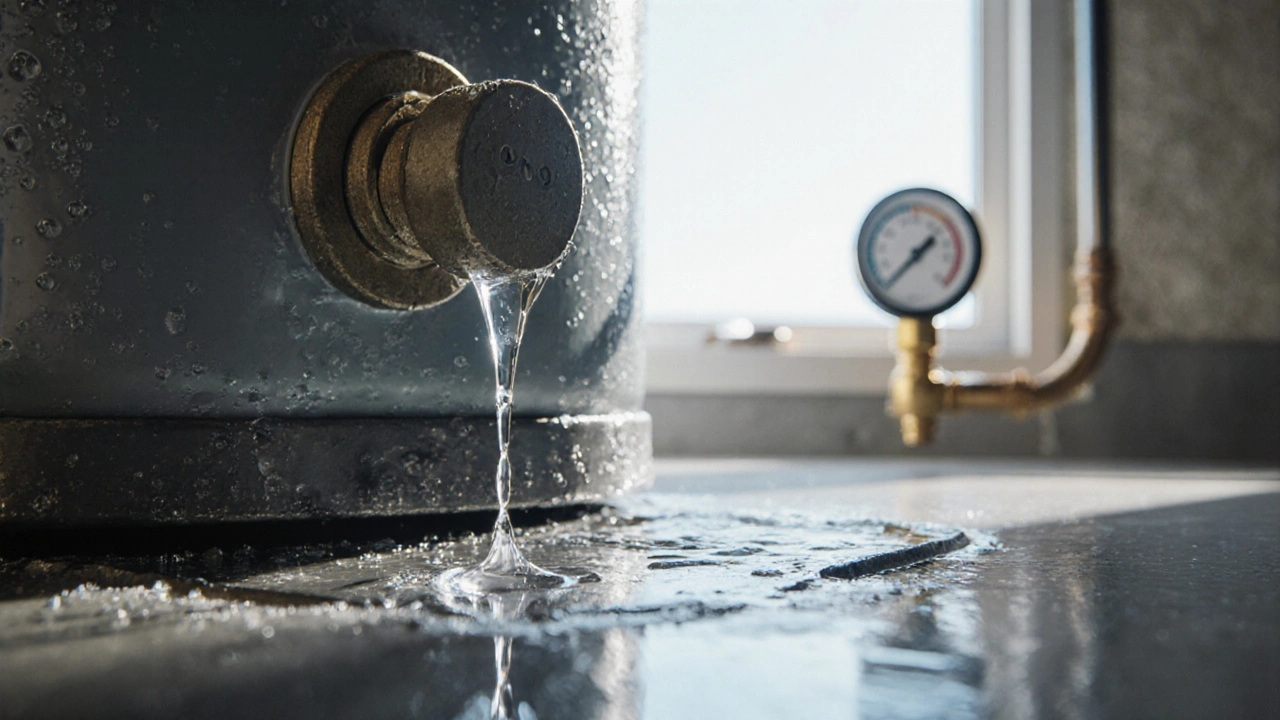
Water heater leaks usually come from five common spots: the pressure relief valve, anode rod, drain valve, tank corrosion, or pipe fittings. Learn where to look and how to fix it before it turns into a flood.

Proper appliance maintenance can save money, extend lifespan, and keep everything running smoothly at home. Learn about essential maintenance tips for common household appliances and understand why some regular attention can go a long way. Dive into practical tips and advice that are easy to apply and can prevent inconvenient breakdowns.
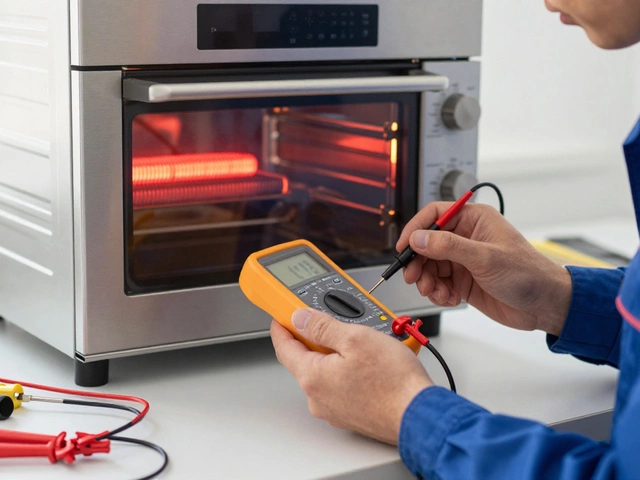
Learn the real cost to fix a broken oven, from common repairs like heating elements and thermostats to when it's better to replace. Get pricing, tips, and expert advice for 2026.
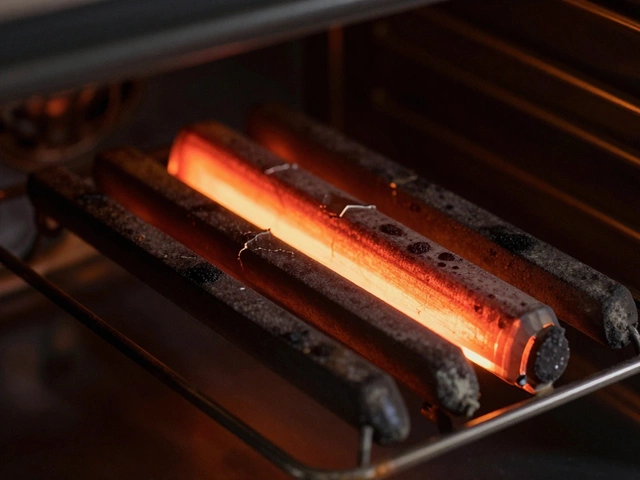
Learn how to tell if your electric oven element is bad with simple visual checks and a multimeter test. Save time and money by diagnosing the issue yourself before calling a repair technician.
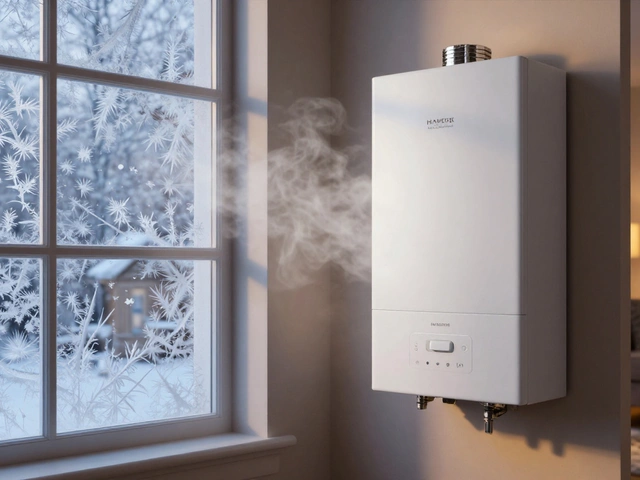
Boiler repair costs in 2026 range from £80 to £1,500 depending on the fault. Learn average prices for common fixes, hidden fees, and when to repair versus replace your boiler.

Why would a freezer suddenly stop working? This article uncovers the most common reasons, from electrical hiccups to sneaky broken parts. Get clear tips to troubleshoot on your own before calling in the pros. You'll also find surprising facts—like a forgotten coin trick to check freezing power. Whether it's food loss or a mystery beep, you'll get straight answers and a path to a cold fix.