

Got a drip, a cold shower, or a noisy boiler? You’re not alone. Most households face a plumbing hiccup at least once a year, and many of them can be solved in under an hour. Below you’ll find the top issues we see every day, straight‑forward steps you can take, and the red flags that mean it’s time to ring a professional.
Leaking taps. Turn off the water under the sink, replace the worn washer, and tighten the tap. A new washer costs pennies and stops the drip instantly.
Clogged drains. Skip the chemical cleaners. Grab a plunger or a simple hand‑augur (a plastic snake), work it gently, and most blockages disappear. If the water still pools, try a mixture of baking soda and hot water to break down grease.
Cold showers. Check the water heater reset button – it trips when the unit overheats. Press it, then wait a few minutes for the heater to fire up again. If the reset trips repeatedly, the thermostat may be faulty, and a technician should check it.
Noisy boiler. Air trapped in the system often causes knocking sounds. Bleed the radiators by opening the bleed valve until water flows steadily. If the noise stays, it could be a pump issue, which needs a pro’s eye.
If you notice any of these signs, call a qualified plumber or heating engineer right away:
Trying to fix these on your own can cause more damage and cost you more in the long run. A certified professional has the tools and training to diagnose the root cause and repair it safely.
Keeping a basic toolkit – adjustable wrench, pipe tape, and a plunger – plus a good sense of when to stop, will save you time, money, and headaches. Remember, a small repair today often prevents a flood tomorrow.

Experiencing a sudden loss of hot water can be inconvenient and potentially alarming. Understanding common reasons for this issue, such as thermostat malfunctions or a broken heating element, can help you troubleshoot the problem. Sometimes the solution is as simple as relighting the pilot light or adjusting the thermostat settings. For more complex issues, professional repair might be necessary. This article provides insightful tips and practical information to help you get your hot water flowing again.
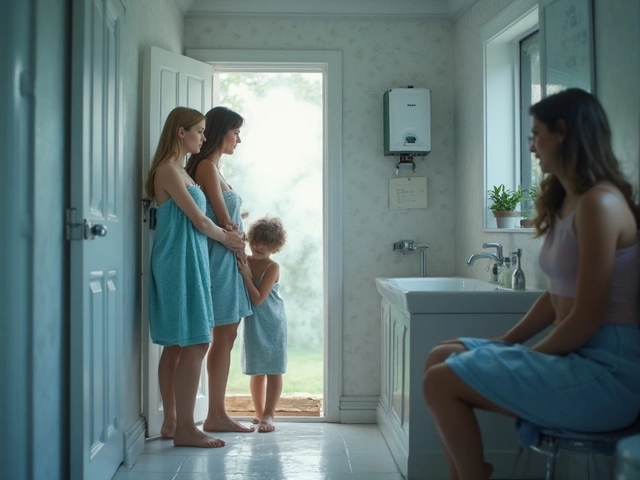
Ever got frustrated with cold showers while waiting for your hot water heater to get fixed? This article breaks down how long it really takes to repair different types of water heaters, from common issues you can fix yourself to problems that call for a pro. You'll learn what affects the repair timeline, plus some quick tips to speed things up. No more second-guessing if you’ll be stuck with icy water all day. Get the facts so you can plan around your next repair.
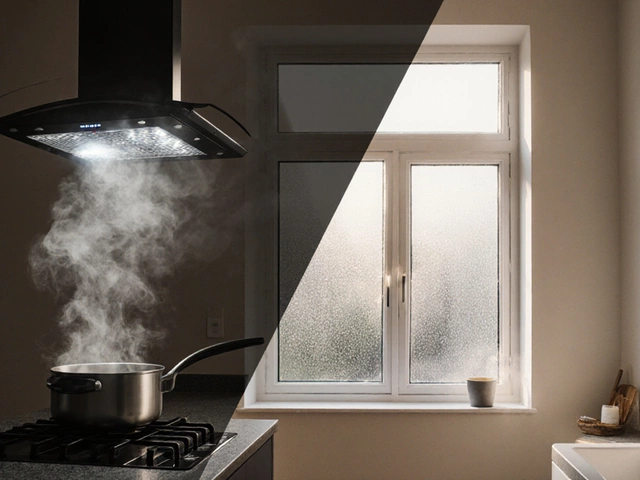
Explore whether you can live without an extractor fan, covering UK regulations, health risks, passive ventilation tricks, dehumidifier use, and when a mechanical fan becomes essential.
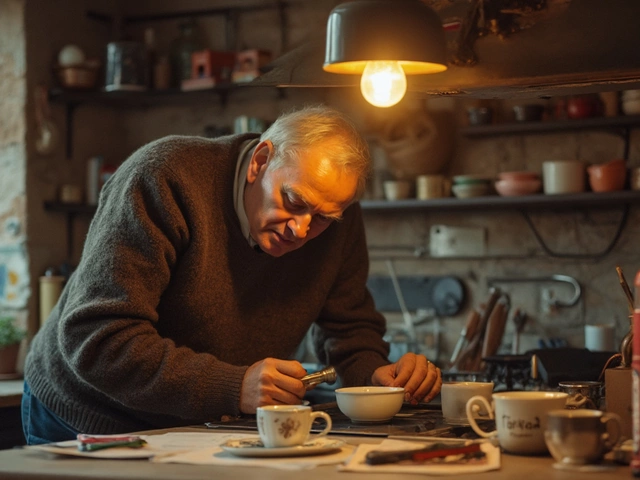
Fixing an electric stove might seem daunting, but many common issues are surprisingly manageable with a bit of know-how. From understanding why the burners aren't heating to recognizing if a problem needs professional attention, this article sheds light on various aspects of electric stove repair. Whether you're dealing with strange noises, faulty wiring, or a completely inoperative oven, we explore what’s usually repairable and what might require a replacement. With practical tips, learn to troubleshoot and potentially save on costly service calls.

Discover the workings of a hob, a crucial kitchen fixture that often gets overlooked until it malfunctions. Learn the common issues that can affect its performance and get handy tips on basic repairs and maintenance. Whether you're dealing with burner problems or electrical faults, this guide provides practical advice to keep your hob in top shape. Understand the typical lifespan of these appliances and how to extend it through regular care.
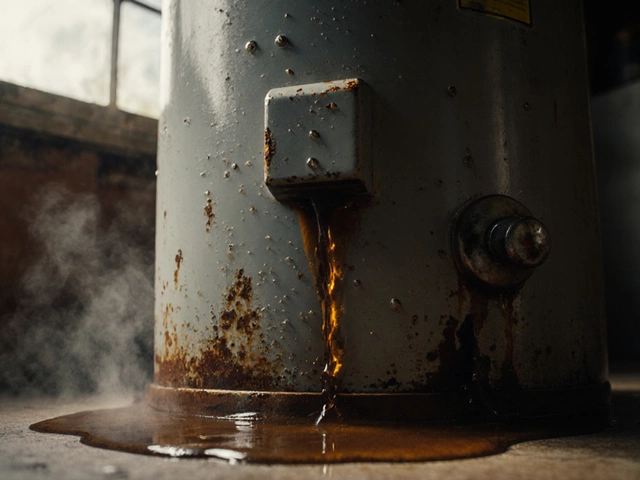
Most water heaters fail due to tank corrosion, heating element burnout, or sediment buildup. Learn the top failure points and how to spot them early to avoid costly repairs or floods.