

If your oven stops heating, the problem is often in the wiring. Before you call a pro, there are a few simple checks you can do yourself. This guide shows you how to work safely, what tools to grab, and the exact steps to re‑wire an electric oven. No jargon, just clear actions you can start on the kitchen floor.
Turn off the power at the breaker – not just the oven switch. A live circuit can give you a nasty shock, even if the oven looks idle. Use a tested voltage tester to confirm the wires are dead before you touch anything.
Wear insulated gloves and keep a dry cloth nearby. If you notice burnt insulation, melted plastic, or a strong smell of ozone, stop and call an electrician. Those signs mean the wiring is damaged beyond a simple fix.
Gather a screwdriver set with insulated heads, a wire stripper, and replacement heat‑resistant wiring (usually 14‑ or 12‑gauge, depending on the oven’s power rating). A small flashlight helps you see inside tight junction boxes.
1. Locate the wiring compartment. Most ovens have a bottom panel you can unscrew. Behind it, you’ll see a black box with terminal screws – this is where the mains wires connect.
2. Label the existing wires. Use masking tape and a marker to note which wire goes to which terminal (L for live, N for neutral, E for earth). This saves you from guessing later.
3. Check the connections. Tighten any loose screws and look for corrosion. A loose live wire is a common cause of an oven that won’t heat.
4. Replace damaged sections. If a wire’s insulation is cracked, cut back to the healthy part with your wire cutter, strip about 8 mm of insulation, and splice in a new piece using a twist‑on connector. Make sure the connector is rated for at least 15 A.
5. Reconnect the terminals. Follow the labels you made earlier. The live (brown or red) goes to the L terminal, neutral (blue or black) to N, and the green‑yellow earth wire to the E terminal. Tighten each screw firmly but avoid over‑tightening, which can strip the threads.
6. Double‑check everything. Give each connection a gentle tug to ensure it’s secure. Then replace the back panel and restore power at the breaker.
7. Test the oven. Turn it on to the lowest heat setting. If it heats up, you’ve fixed the wiring. If it still won’t heat, the issue may be the heating element or thermostat – topics covered in our "Electric Oven Not Heating?" post.
Remember, the goal isn’t just to get the oven working, but to keep it safe for years. Regularly inspect the wiring for wear, especially if you use the oven heavily. A quick visual check once a year can catch problems before they cause a breakdown.
Got a specific wiring question? Drop a comment below or call our Bognor Regis team. We’re happy to walk you through any step you’re unsure about, and we’ll gladly handle the bigger jobs that need a certified electrician.

Thinking about swapping out your electric oven? This article covers how tough the job really is, where people usually get stuck, and what you actually need to know. We break down what tools you really need, what pitfalls you can avoid, and when you should probably call someone who’s done it before. Get ready for straight talk—no tech jargon, just real advice for regular folks. Whether you DIY or call a pro, you’ll walk away ready to make a smart decision.
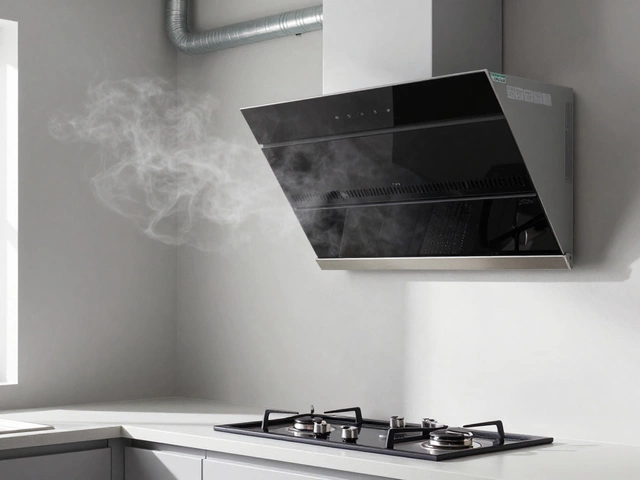
In the UK, you legally need an extractor fan in your kitchen if you have a gas hob or have done major renovations since 2006. Learn what the regulations require and why skipping it could cost you more than installing one.
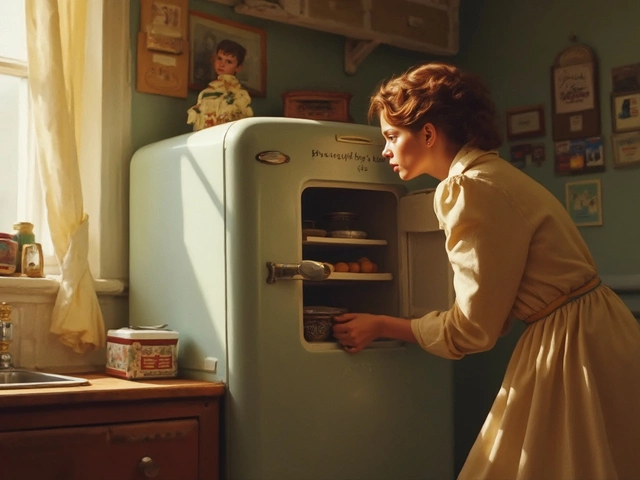
Fixing your fridge on your own can be a real money-saver if you know where to start. First, you've got to figure out what's actually wrong before grabbing your toolbox. With some basic tools and a little patience, you might just handle common issues like leaks, noisy operation, or poor cooling effectively. But sometimes, you also need to know when it's time to bring in a professional.
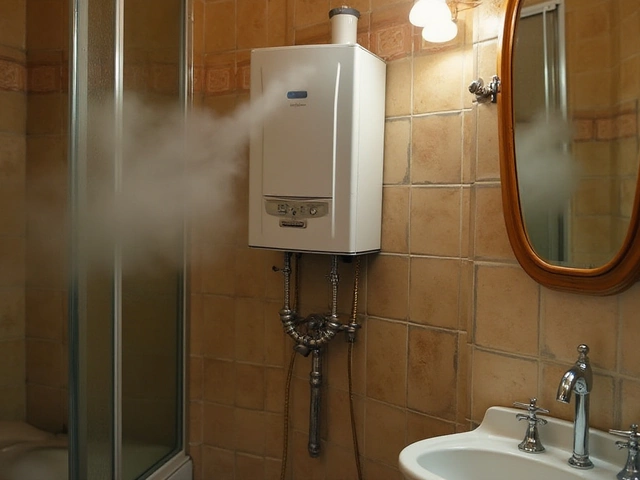
When your hot water heater isn't supplying the steamy showers you're used to, it might be due to a faulty heating element. This article dives into common indicators of a malfunctioning water heater element, such as unusual noises, inconsistent water temperatures, and an unexpected spike in your energy bills. You'll learn how to diagnose potential issues and gather insights on troubleshooting these problems. While some fixes might require professional expertise, understanding the basics can help you pinpoint the root of the problem and decide the best course of action. Get ready to reclaim your warm water comfort!

Exploring the value of repairing a freezer involves assessing various factors, such as the cost of repairs, the appliance's age, and the efficiency improvements of newer models. Understanding common freezer problems can help homeowners decide whether a repair is worthwhile. The decision should account for both economic and environmental perspectives, guiding when to repair or replace.
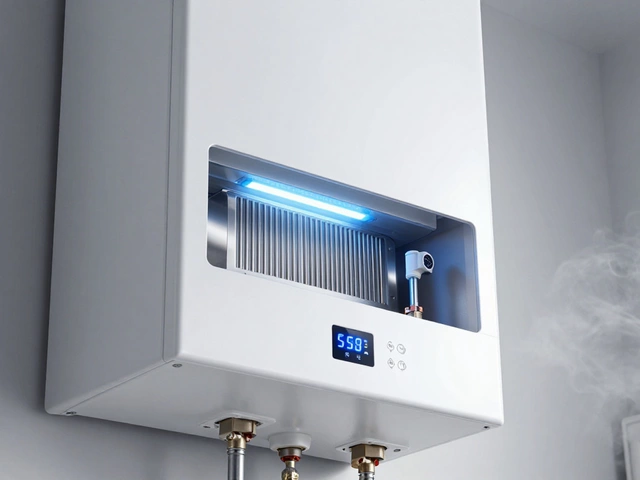
Discover the average lifespan of gas boilers, cookers, and fires. Learn key signs of aging appliances, maintenance tips to extend life, and when to replace for safety and efficiency.