

If your oven is acting up, the first question is whether you should repair it or replace it. A cold oven, uneven heating, or strange noises can all point to a problem, but they don’t always mean a brand‑new unit is needed.
Look for these red flags: the oven won’t heat at all, the temperature is wildly off, or the repair bills start to add up. In our Electric Oven Not Heating? Common Problems, Fixes, and Maintenance Tips post we explain why a faulty heating element, thermostat, or control board often shows up as a “cold oven.” If you’ve already replaced the element and it’s still not working, the cost of another part plus labor can approach the price of a decent new oven.
Age matters too. Most ovens last about 10‑15 years. If yours is older than that and you’re already dealing with multiple issues, replacement is usually smarter. A newer model will be more energy‑efficient, saving you money on your electricity bill.
Before you call a pro, you might try swapping the element yourself. Our guide How to Replace an Oven Element Yourself: Step‑by‑Step Guide & Tips breaks it down into five simple steps:
Most homeowners can finish this in under an hour with a screwdriver and a pair of gloves. If the oven still won’t heat, the fault is likely elsewhere – maybe the thermostat or the control board.
When you’re unsure, a quick call to a local Bognor Regis repair service can save you time. Our technicians can diagnose the issue, give you a clear quote, and decide if a repair or a full replacement makes sense.
In short, start by checking the obvious – is the element burnt out? If you’ve already tried that fix and the oven’s still stubborn, weigh the age and cost of parts against a new appliance. A brand‑new oven offers better energy ratings and modern features, while a repair can stretch the life of a still‑good unit.
Whatever you choose, make sure the decision fits your budget and your kitchen’s needs. A reliable oven is essential for everyday meals, so don’t settle for a half‑working one.

Thinking about replacing your electric oven on your own? This article breaks down what you need to know about doing it yourself— from basic safety to common pitfalls. Learn how tricky the process can get, which tools you might need, and when it's smarter to call a pro. Get tips to save money and avoid kitchen disasters. Designed for anyone who values a good meal and a working oven.

Is your heat pump not blowing warm air? Here’s what causes it and how you can troubleshoot the issue. Easy fixes and tips for a cozy home.

Discover how much boiler service costs in 2025, what affects the price, what's included, and tips to save money while keeping your heating safe and reliable.
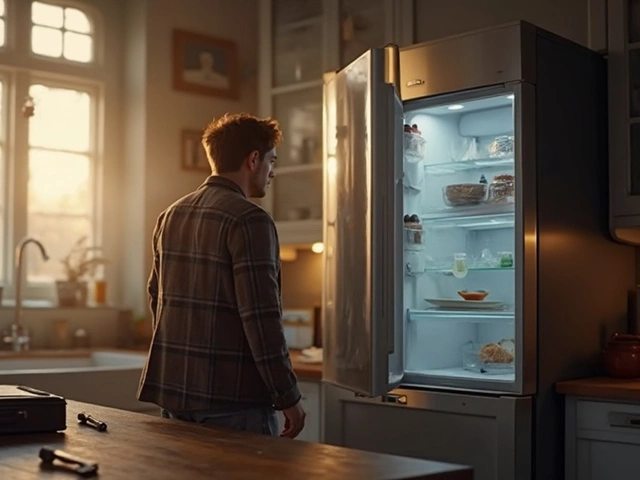
If your freezer isn't doing its one job—keeping things cold—you're in a pickle. But before you start shopping for a new one, there are a few things you might try to get it back to work. From checking the power source to cleaning coils, fixing cooling problems can often be simple and straightforward. Let's explore some potential solutions to get your freezer chilling again.

Leaving an electric oven on overnight sounds harmless, but it could spell real trouble. Learn the risks, facts, and safer options for your late-night cooking needs.

Wondering if you should flush or just drain your water heater? This article breaks down the difference, when each method makes sense, and what actually helps your water heater last longer. You'll find practical advice, simple tips, and a few things even pros forget. Discover the truth about tank cleaning—without the jargon or confusion. Your next maintenance day just got a lot less stressful.