

If your oven is acting up, the culprit is often a single part that can be swapped out. From a cold oven to uneven heating, most problems point to the heating element, thermostat, door seal, or fan. Knowing which part to replace and how to do it saves time and money.
Heating element – This metal coil creates the heat. When it’s broken or burnt out, the oven stays cold or heats unevenly. Look for visible cracks or a burnt smell.
Thermostat or temperature sensor – If the oven runs too hot or too cool, the sensor is likely sending wrong signals. You can test it with a multimeter; a reading far from the spec means replace.
Door seal (gasket) – A cracked or torn seal lets heat escape, causing longer cooking times. Feel for drafts or see gaps when the door is closed.
Cooling fan – Some electric ovens use a fan to spread heat. A noisy or stopped fan leads to hot spots. Check that it spins freely and isn’t blocked.
1. Unplug the oven – Safety first. Pull the plug or turn off the circuit breaker.
2. Remove the old part – For an element, take out the back panel, disconnect the wiring, and unscrew the element clips. For a thermostat, locate the sensor, unscrew it, and pull the wiring connector.
3. Match the new part – Bring the old part to a hardware store or order online. Make sure the model number and voltage match your oven.
4. Install the new part – Reverse the removal steps. Secure the element or thermostat, reconnect wires, and re‑attach any panels.
5. Test the oven – Plug it back in, set a temperature, and watch for proper heating. If the oven still misbehaves, the fault may be the control board or wiring, which usually needs a pro.
Most replacements take under an hour and cost between £20 and £80, depending on the part. If you’re not comfortable handling wires, call a qualified repair service.
Regular care can keep parts from failing. Clean the oven interior after each use, check the door seal every few months, and avoid slamming the door. A quick visual check of the element for discoloration can catch problems early.
When you’re stuck, remember that professional help isn’t just about fixing the immediate issue. A qualified technician can spot hidden faults, test electrical safety, and ensure the oven meets UK regulations.
Bottom line: most oven hiccups boil down to a single part. Spot the symptom, match the part, and follow the safety steps. You’ll be back to baking, roasting, and grilling without a lengthy service call.

Wondering if your 20-year-old oven can be repaired? Discover repair tips, replacement part insights, costs, and when it makes sense to swap your old oven for a new one.

Searching for a trusty electric oven can make a big difference in your cooking experience and lessen repair issues. This article uncovers the top-performing brands known for reliable electric ovens, sharing insights on what makes these brands stand out. From innovative features to energy efficiency, you'll learn tips on choosing the right oven and maintaining it for long-lasting use. Whether you're shopping for a new appliance or fixing an old one, this guide shines a light on the best options available today.

Cracked or damaged glass hobs make you panic, but not every problem spells doom for your stove. This article breaks down what issues can actually be fixed and when it's smarter to replace the glass. You’ll get real-life tips, possible repair options, and clear warnings for common mistakes. Safety comes first, but you’ll also find out when you can handle things yourself—or absolutely need a pro. Practical info, simple steps—you’ll get the full story on glass hob repair.

Deciding whether to repair or replace a refrigerator can be a puzzling task for most homeowners. Factors like the age of the fridge, the cost of repairs, and energy efficiency play crucial roles in this decision. Getting a new fridge might seem attractive with the latest features, but sometimes repairing your old one is the better choice. Before making a move, it’s essential to weigh the pros and cons to make an informed choice.
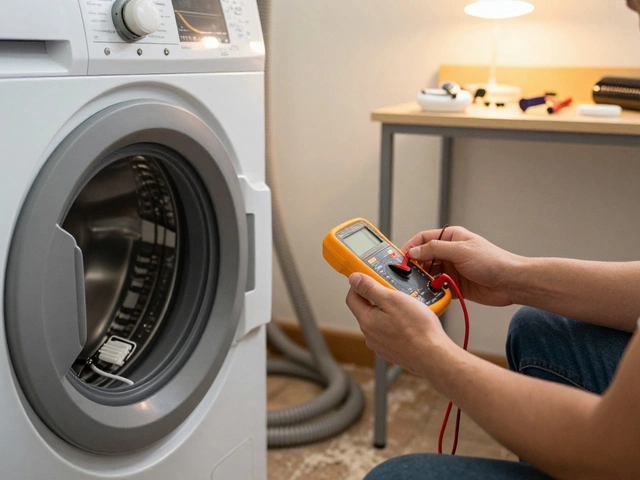
Learn how to fix common dryer problems yourself-no experience needed. Save money and avoid service calls with simple repairs like replacing belts, fuses, and cleaning vents.

Wondering if fixing your 7-year-old washing machine is worth it? This guide helps you weigh the pros and cons. Consider factors like repair costs, common issues, and the appliance’s lifespan. Find out when it makes sense to repair or replace. Get informed tips to make the best decision for your laundry room.